
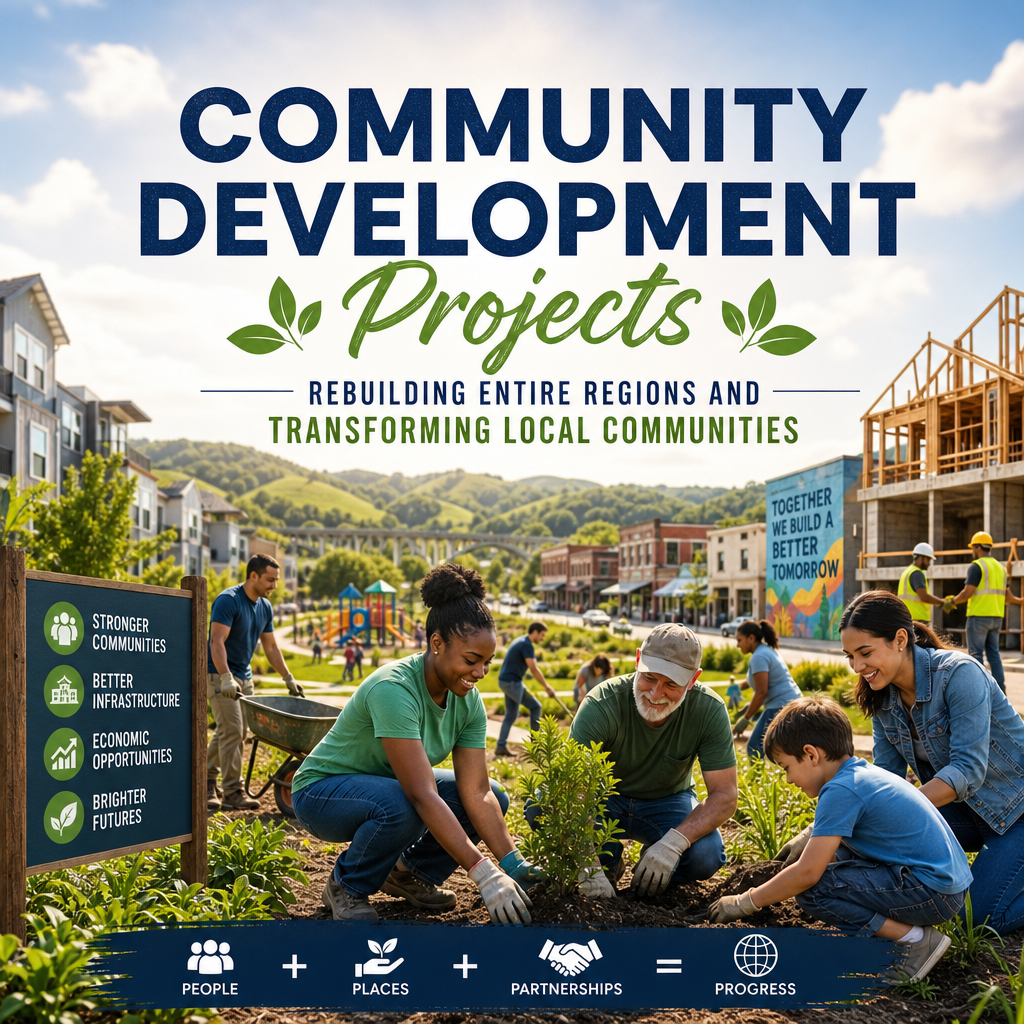
Community Development Projects Rebuilding Entire Regions and Transforming Local Communities
Community Development Projects That Are Rebuilding Entire Regions
Across the world, communities are proving that long-term recovery and growth do not have to come from the top down. In places affected by poverty, conflict, natural disasters, or decades of neglect, community development projects are helping residents rebuild not just buildings, but entire local economies, social networks, and futures.
These projects work because they are rooted in local needs. Instead of imposing outside solutions, they bring together residents, nonprofits, governments, and businesses to create practical change that lasts. From restoring infrastructure to improving education and healthcare, community-led efforts are transforming regions in powerful ways.
Why Community Development Matters
Community development is about more than short-term aid. It focuses on empowering people to shape the future of the place where they live. When residents have access to resources, training, and decision-making power, the impact can spread across generations.
A successful project often creates ripple effects such as:
- More local jobs and income opportunities
- Better access to schools, clinics, and clean water
- Stronger public spaces and transportation systems
- Increased trust and collaboration among neighbors
- Greater resilience during crises
These benefits matter especially in regions that have experienced decline. In many cases, one well-designed project can spark broader renewal.
Infrastructure Projects That Change Daily Life
One of the most visible forms of regional recovery is infrastructure improvement. Roads, bridges, water systems, and power networks are essential to daily life, yet they are often among the first things to break down in underserved areas.
Water and sanitation systems
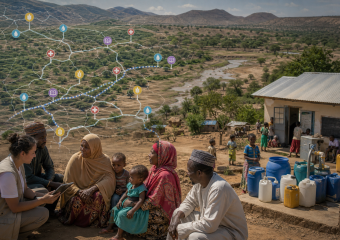
In many rural and low-income regions, clean water access is a major challenge. Community development projects that install wells, filtration systems, or piped water networks can reduce disease, save time, and improve school attendance, especially for girls and women who often carry the burden of water collection.
Transportation and connectivity
Better roads and public transit can connect isolated communities to markets, hospitals, and schools. In some regions, local groups have come together to repair roads or advocate for transit lines that open up access to employment and services.
Education as a Foundation for Regional Recovery
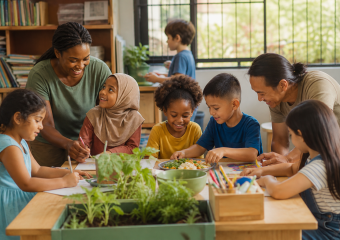
Education is one of the strongest tools for rebuilding a region. Community development projects that improve schools, train teachers, and support adult learning help create a skilled and confident population.
These programs often include:
- Renovating damaged school buildings
- Providing books, technology, and supplies
- Creating after-school mentorship programs
- Offering vocational and job training
- Supporting literacy and adult education
When education improves, so does the local workforce. That means more residents can launch businesses, secure stable employment, and contribute to long-term economic growth.
Local Business and Economic Development
A region cannot fully recover without economic opportunity. Many community development projects now focus on supporting small businesses, cooperatives, and local entrepreneurs.
Microenterprise support
Small grants, low-interest loans, and business training can help residents start shops, farms, service businesses, or craft enterprises. These efforts keep money circulating within the community and reduce dependence on outside investment.
Cooperative models
In some regions, residents band together to form cooperatives that share profits and reduce risk. Agricultural cooperatives, for example, can help farmers pool equipment, negotiate fair prices, and reach larger markets.
When local people own a stake in the economy, recovery becomes more sustainable and more equitable.
Housing and Neighborhood Revitalization
Safe, affordable housing is another critical piece of rebuilding regions. Community development projects often work to repair abandoned homes, create affordable housing, and improve neighborhood conditions.
This can include:
- Renovating damaged properties
- Building energy-efficient homes
- Creating community land trusts
- Improving parks and public spaces
- Supporting tenant and homeowner education
These efforts do more than improve the appearance of a neighborhood. They help stabilize families, reduce displacement, and rebuild a sense of pride and belonging.
Health and Well-Being Are Part of Development
Communities cannot thrive without health. Many regional recovery efforts now integrate healthcare access, mental health support, and wellness programming into broader development plans.
For example, a project that opens a community clinic may also provide health education, nutrition support, and maternal care. A region recovering from trauma may invest in counseling services, youth outreach, and safe gathering spaces. These services help people heal while strengthening the entire social fabric.
What Makes These Projects Successful
The most effective community development projects share a few key traits:
-
Local leadership
Residents help identify problems and shape solutions. -
Long-term planning
Projects are designed for sustainability, not just immediate relief. -
Partnerships
Governments, nonprofits, and local businesses work together. -
Adaptability
Teams respond to changing needs and conditions. -
Community trust
Transparency and participation help ensure support and accountability.
When these elements come together, projects are more likely to rebuild entire regions rather than just isolated areas.
A Future Built From the Ground Up
The most inspiring part of community development is that it shows how much change is possible when people work together. A repaired school can lead to stronger education. A new road can connect families to opportunity. A local business grant can create jobs. A health clinic can restore confidence in the future.
Community development projects are rebuilding entire regions by focusing on the people who live there. They prove that lasting progress does not begin with large promises alone. It begins with neighbors organizing, communities investing in themselves, and local leaders turning hope into action.
As more regions face complex challenges, these grassroots efforts will remain essential. They are not just fixing what was lost. They are creating stronger, more resilient communities for the years ahead.