

Agentic Automation: Expanding Reach to Save More Children Faster
How Agentic Automation Helps Save World Children Reach More Children Faster
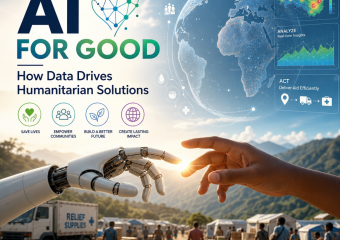
In an era where technology seamlessly intertwines with daily operations, non-profit organizations like Save World Children are finding innovative ways to expand their impact. One such innovation, agentic automation, is revolutionizing how humanitarian aid is delivered, enabling these organizations to reach more children quickly and efficiently. This digital leap is not just enhancing operational capacities but is also ensuring that aid reaches those in acute need without undue delay.
What is Agentic Automation?
Agentic automation refers to the use of advanced AI systems that can perform tasks traditionally done by humans, but with greater speed, accuracy, and efficiency. This encompasses technologies such as AI-driven data analysis, machine learning for predictive insights, and robotics for automated aid distribution. Such technologies empower organizations by automating administrative tasks, optimizing logistics, and facilitating swift decision-making.
Transforming Data Handling and Decision Making
Streamlined Data Analysis
For non-profits like Save World Children, effective data management is crucial. Agentic automation integrates sophisticated algorithms that can quickly sort through vast amounts of data, enabling real-time analytics and insights. This means quicker identification of crisis zones, understanding community needs, and tailored aid responses.
- Rapid Needs Assessment: Automated tools swiftly analyze incoming data from field surveys, speeding up the needs assessment process.
- Enhanced Decision Support: AI models predict potential future needs and crises, allowing preemptive action.
Optimized Operational Efficiency
Automation transforms operational workflows by reducing the redundancy of routine tasks and enhancing the efficiency of aid distribution.
- Automated Logistics: Robots and drones expedite the delivery of aid materials to inaccessible areas, reducing delivery times drastically.
- Resource Allocation: AI-driven tools ensure optimal resource allocation, thereby enhancing the effectiveness of aid programs.
Scaling Impact through Predictive Analytics
Predictive analytics is a cornerstone of how agentic automation helps non-profits become more proactive rather than reactive. By analyzing trends and historical data, AI systems can forecast future demands and potential crises before they reach critical levels.
- Crisis Forecasting: Anticipating disaster impacts on vulnerable communities allows for timely and effective interventions.
- Resource Prediction: Predicting future resource requirements ensures that supplies and finances are ready before they are urgently needed.
Enhancing Communication and Engagement
Automated Communications
Agentic automation also enhances the way organizations communicate with donors, stakeholders, and the communities they serve. AI-driven chatbots and automated messaging systems provide instant responses to inquiries, which is vital during emergencies.
- Stakeholder Engagement: Real-time updates and automated reports keep donors and stakeholders informed, boosting transparency and trust.
- Community Interaction: Multilingual chatbots facilitate better engagement with diverse communities, ensuring that language barriers do not hinder aid delivery.
Case Studies: Real-World Impact
Real-life implementations of agentic automation illustrate its potential to change humanitarian work fundamentally. For instance, during a recent cyclone in Southeast Asia, Save World Children utilized predictive analytics to accurately forecast affected areas and pre-position supplies. This forethought enabled them to provide immediate relief post-disaster, significantly reducing potential casualties and distress among the affected children.
Challenges and Ethical Considerations
While the benefits are vast, the integration of agentic automation also brings challenges and ethical considerations that must be addressed:
- Data Privacy and Security: Protecting the personal information of those aided is paramount.
- Dependence on Technology: Over-reliance on automation could become problematic in scenarios where human judgment is crucial.
- Inclusivity and Bias: Ensuring that AI systems do not perpetuate existing biases and are inclusive of all demographic groups.
Conclusion: The Path Forward
Agentic automation is not just a technological upgrade but a transformative shift in how non-profit organizations like Save World Children operate. By embracing this evolution, they are not only saving time and resources but are also reinforcing their commitment to reaching every child in need with speed and precision. As technology advances, the potential to save lives and protect futures does too – a testament to the power of innovation in humanitarian aid.