

Exploring the Future of Humanitarian Aid with Agentic AI
The Future of Humanitarian Aid: How Agentic AI Is Powering Save World Children’s Global Reach
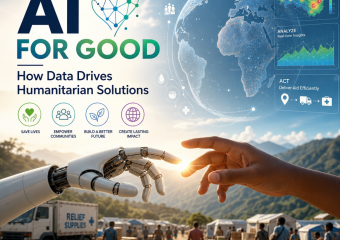
In an era where technology continuously reshapes our lives, innovative tools are also transforming sectors traditionally reliant on human-intensive efforts. One such field is humanitarian aid, where the integration of Advanced Agentic AI (AAA) is revolutionizing how organizations like Save World Children extend their help globally. This breakthrough enables more efficient resource management, faster response times, and more personalized aid delivery, marking a significant leap forward in global humanitarian efforts.
Understanding Agentic AI
Before delving into its applications, it’s crucial to understand what Agentic AI entails. Agentic AI refers to systems designed to act with a level of autonomy, making decisions and performing tasks traditionally requiring human intelligence and oversight. This form of AI is particularly adept at analyzing large data sets quickly, predicting outcomes, and managing logistical operations autonomously.
Enhancing Decision-Making Processes
Speed and Accuracy
One of the primary advantages of using Agentic AI in humanitarian aid is its ability to enhance decision-making processes. Save World Children utilizes AI to analyze real-time data from crisis zones. This includes weather patterns, political landscapes, and demographic information to make informed decisions quickly. The speed and accuracy of AI-driven analytics mean that aid can be dispatched promptly and tailored to the specific needs of each region.
Predictive Capabilities
Moreover, predictive analytics powered by AI allows Save World Children to forecast crises and prepare in advance. This proactive approach ensures that resources like food, medicine, and shelter are available before they are urgently needed, significantly reducing the potential impact of disasters.
Streamlining Logistics
Automated Supply Chains
Agentic AI plays a vital role in optimizing logistics, ensuring that help reaches the most remote and inaccessible areas. Through automated supply chains, AI algorithms determine the most efficient routes and methods for delivering aid. This not only speeds up the distribution process but also reduces costs and minimizes the carbon footprint associated with relief efforts.
Inventory Management
AI systems also manage inventories in real-time, predicting shortages and surpluses. This aspect is particularly crucial when dealing with perishable goods or essential medicines that have short shelf lives. By maintaining optimal stock levels, Save World Children can prevent wastage and ensure continuous support for affected communities.
Personalizing Aid
Each community’s needs are unique and complex, and a one-size-fits-all approach to humanitarian aid is often ineffective. Here, Agentic AI brings a transformative change by enabling the personalization of aid.
Tailored Assistance Programs
AI algorithms analyze individual community needs based on socioeconomic data, health statistics, and even cultural factors to tailor assistance programs suitably. This ensures that the aid provided is not only timely but also culturally appropriate and addresses the specific requirements of the community.
Enhancing Communication
Communication is key in any relief effort, and AI enhances this by overcoming language barriers and facilitating smoother interactions between aid workers and local communities. Advanced translation tools and interactive AI-driven interfaces ensure that communication is clear, reducing the likelihood of misunderstandings and increasing the efficacy of aid delivery.
Ethical Considerations and the Future Path
While the benefits are plentiful, the deployment of AI in humanitarian contexts also raises ethical concerns that must be addressed. Issues around data privacy, consent, and potential biases in AI algorithms are at the forefront. Save World Children is committed to developing AI in a responsible and ethical manner, ensuring transparency and adherence to international guidelines.
Furthermore, as technology evolves, the potential of Agentic AI in humanitarian aid promises even greater advancements in tackling global challenges. Continued innovation, alongside strong ethical frameworks, can significantly enhance the capability of humanitarian organizations to respond to disasters and crises more effectively and compassionately.
In conclusion, the integration of Agentic AI into humanitarian efforts by organizations like Save World Children represents a groundbreaking shift towards more efficient, effective, and personalized aid. As we look to the future, the role of AI in fostering a more responsive and responsible humanitarian sector cannot be underestimated. Embracing these technologies will undoubtedly shape the next generation of aid delivery, offering hope and vital support to the world’s most vulnerable populations.