
Save World Children Helps Women Enter Digital Workforce with AI Training
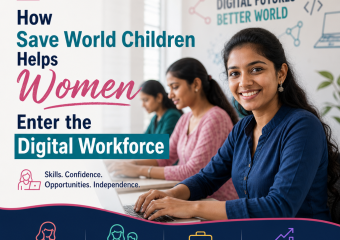
How Save World Children Helps Women Enter the Digital Workforce Through AI-Driven Training
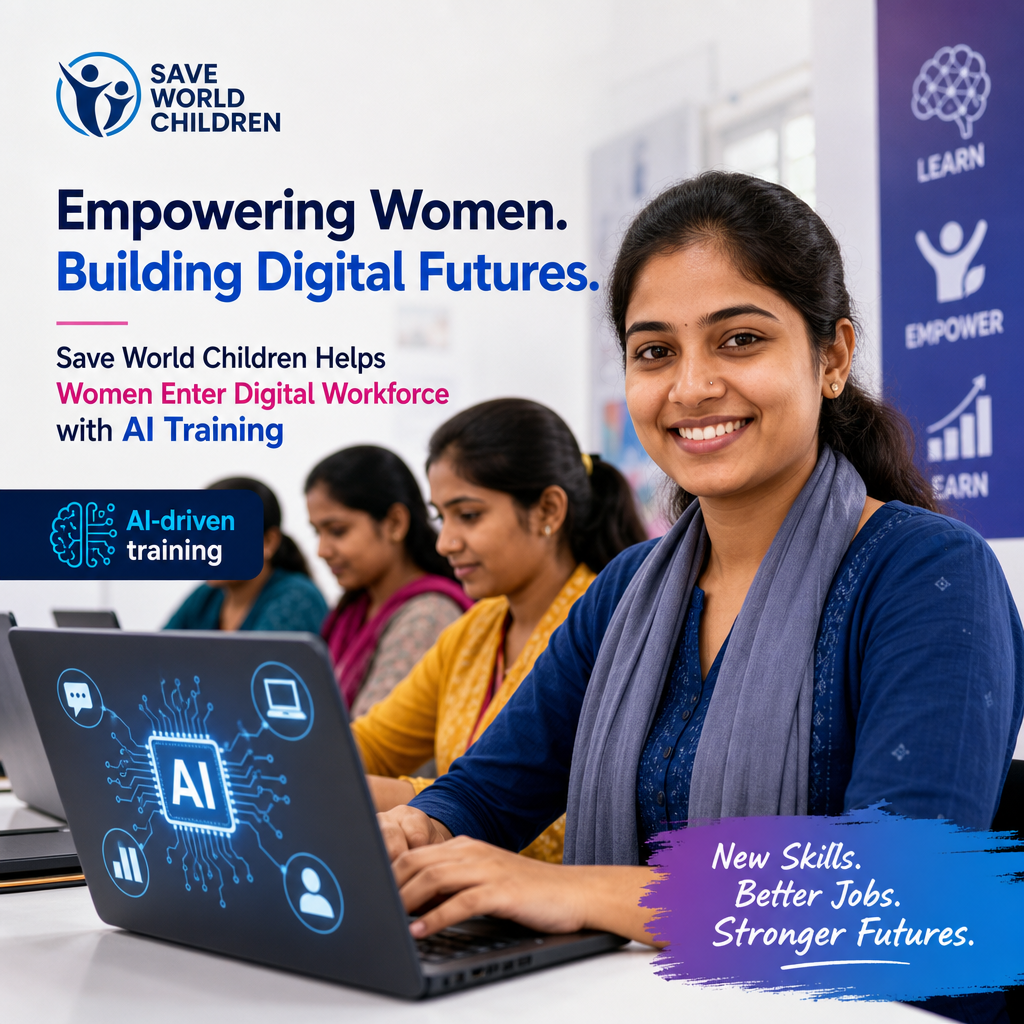
The digital economy is creating new opportunities for women, but access to those opportunities is still uneven. Many women face barriers such as limited digital skills, time constraints, unpaid care work, and a lack of professional networks. Save World Children is helping close that gap by using AI-driven training to prepare women for real jobs in the digital workforce.
Instead of offering one-size-fits-all classes, the organization focuses on flexible learning, practical skills, and personalized support. That approach matters because women often need training that fits into busy lives while also building confidence and job readiness.
Why AI-Driven Training Matters
Traditional training programs can be too broad, too slow, or too expensive. AI changes that by making learning more adaptive and efficient.
With AI-driven training, participants can:
- Learn at their own pace
- Receive content tailored to their skill level
- Practice with interactive tools and feedback
- Focus on the skills most relevant to current jobs
This is especially important for women entering digital careers for the first time. Some may be new to computers, while others may already have basic skills but need a clear path into online work, remote roles, or tech-enabled jobs.
Save World Children uses this model to reduce the intimidation that often comes with digital learning. By making training feel more personal and practical, more women can stay engaged and complete the program.
Building Real Skills for Real Work
One of the strengths of Save World Children’s approach is that it does not stop at theory. The goal is not just to teach women about technology, but to help them use it in ways that create income and opportunity.
Core skills may include:
- Basic digital literacy
- Online communication and collaboration
- Content creation and editing
- Data entry and spreadsheet use
- Customer support tools
- Freelancing and remote work readiness
- Introductory AI tools for productivity
These are the kinds of skills employers and clients increasingly expect. Women who learn them can access a wider range of work, from administrative support and virtual assistance to marketing, research, and digital services.
In many cases, AI tools also help learners improve faster. For example, automated feedback can point out mistakes, suggest better answers, or recommend the next lesson. That kind of support can make the learning process less frustrating and more effective.
Removing Barriers to Participation
For many women, the biggest challenge is not willingness to learn. It is access.
Save World Children recognizes that a successful training program must address the practical barriers that keep women out of the digital economy. These may include:
- Limited access to devices or internet
- Low confidence with technology
- Time pressure from caregiving responsibilities
- A lack of mentorship or role models
- Difficulty understanding where to start
AI-driven training helps by offering a more flexible format. Women can often learn in shorter sessions, revisit lessons as needed, and progress in a way that matches their circumstances. That flexibility can make the difference between dropping out and moving forward.
The organization’s support model also helps women feel they are not learning alone. Encouragement, guidance, and community building are essential parts of the process.
Creating Pathways Into Employment
Training is only valuable if it leads somewhere. Save World Children understands that women need a bridge from learning to earning.
That is why AI-driven programs work best when they are connected to employability support. This may include:
- Resume and profile building
- Interview preparation
- Freelance platform guidance
- Job matching and referrals
- Portfolio development
- Mentorship from professionals in digital fields
These steps help women turn skills into work opportunities. A participant who learns how to use productivity tools, for instance, may later apply those skills in a remote administrative role. Another may build confidence in content writing or digital customer service and begin freelance work.
The digital workforce is broad, and not every path requires advanced coding or technical degrees. Many accessible roles are available to women who gain strong foundational skills and learn how to present themselves professionally online.
Why This Approach Is Important for Communities
When women enter the digital workforce, the benefits go beyond individual income. Families gain financial stability. Children see new possibilities. Communities benefit from stronger local economies and more women contributing to decision-making.
Save World Children’s AI-driven training model supports this wider impact by helping women become more independent and economically active. As more women gain access to digital jobs, they can build resilience against poverty and open doors for the next generation.
A Smarter Path Forward
The future of work is increasingly digital, and women should not be left behind. Save World Children is showing how AI-driven training can make that future more accessible. By combining flexible learning, practical skills, and job-focused support, the organization is helping women enter the digital workforce with greater confidence and better opportunities.
This is more than a training program. It is a pathway to participation, income, and long-term empowerment.