

Micro-Donations, Macro Impact: How $15 Can Change a Child’s Life
Micro-Donations and Their Significance
In a world where headlines often depict vast figures in philanthropy, the power of micro-donations tends to be overlooked. Yet, these small contributions are increasingly recognized for their profound ability to transform lives, particularly those of children in need. A mere $15, which many might spend on a quick lunch or a week of coffee, can, when funneled through the right channels, revolutionize the daily existence and future of a young individual.
Understanding the Concept of Micro-Donations
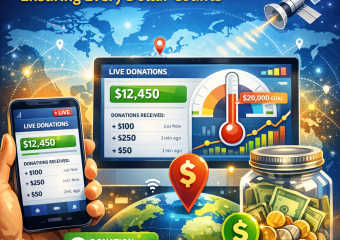
A micro-donation is typically defined as a financial gift that is small enough to be manageable for most donors but can accumulate with others to create a substantial impact. It breaks the traditional belief that only wealthy people can engage in meaningful philanthropy. This approach allows everyday people to contribute to causes they care about without the need for significant personal financial sacrifice.
The Ripple Effect of Small Gifts
The impact of contributing as little as $15 can be seen in various contexts, from health and education to nutrition and safety.
Health: In many developing countries, $15 can provide a child with life-saving vaccines or treatments against common yet deadly ailments like malaria or diarrhea. For example, the GAVI Alliance reports that just $10 can vaccinate a child against some of the most deadly diseases.
Education: Even minimal contributions can keep a child in school for a month or more, covering expenses such as books, supplies, and uniforms that might be unaffordable for their families. This access to education is crucial, as it provides children with knowledge and skills that pave the way for a brighter future.
Nutrition: In areas plagued by famine and food scarcity, $15 can feed a child for several weeks. Organizations like the World Food Programme use contributions to distribute meals in schools, which not only alleviates hunger but also increases school attendance and concentration during lessons.
Safety: Micro-donations can help fund rescue missions or support services for children caught in conflict zones or disaster-stricken regions, offering them safety, shelter, and psychological support.
Case Studies of $15 Making a Difference
Organizations around the globe have already demonstrated the immense impact of micro-donations. For example, Save the Children uses small donations to provide educational materials and healthcare. In one report, they noted that $10 could equip four children with their own books, thereby promoting literacy.
Another organization, Charity: Water, has shown how grassroots funding can help provide clean, safe drinking water. With every $15, Charity: Water can give one person access to clean water, thereby reducing disease and freeing children to pursue education rather than water collection.
How to Get Involved
The beauty of micro-donations lies in their simplicity and accessibility. Anyone with a desire to help can contribute. Here are a few steps to consider:
- Choose a Cause: Find an issue you’re passionate about, whether it’s child health, education, food security, or another cause.
- Research Organizations: Look for reputable organizations that work towards your chosen cause and make sure they use donations efficiently and effectively.
- Set Up Regular Donations: Many organizations allow you to set up automatic monthly contributions. Even small amounts can accumulate and make a significant difference over time.
- Spread the Word: Use your social media platforms and community influence to encourage friends and family to consider micro-donations too.
Conclusion
The true power of micro-donations lies in their collective impact. While $15 may seem insignificant alone, when pooled together with contributions from others, the effect can be transformative. In the realm of philanthropy, it is not always the size of the donation that matters, but the intent and continuity of support. With millions around the world looking for a beacon of hope, even the smallest act of giving, like donating $15, can light a path toward substantial global change.