
How Refugee Experiences are Shaping Global Responsibility Trends
How Refugee Experiences Inspired a New Era of Global Responsibility
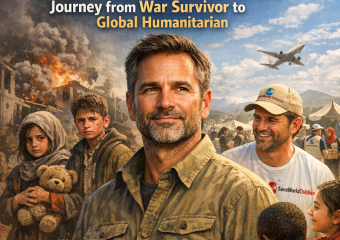
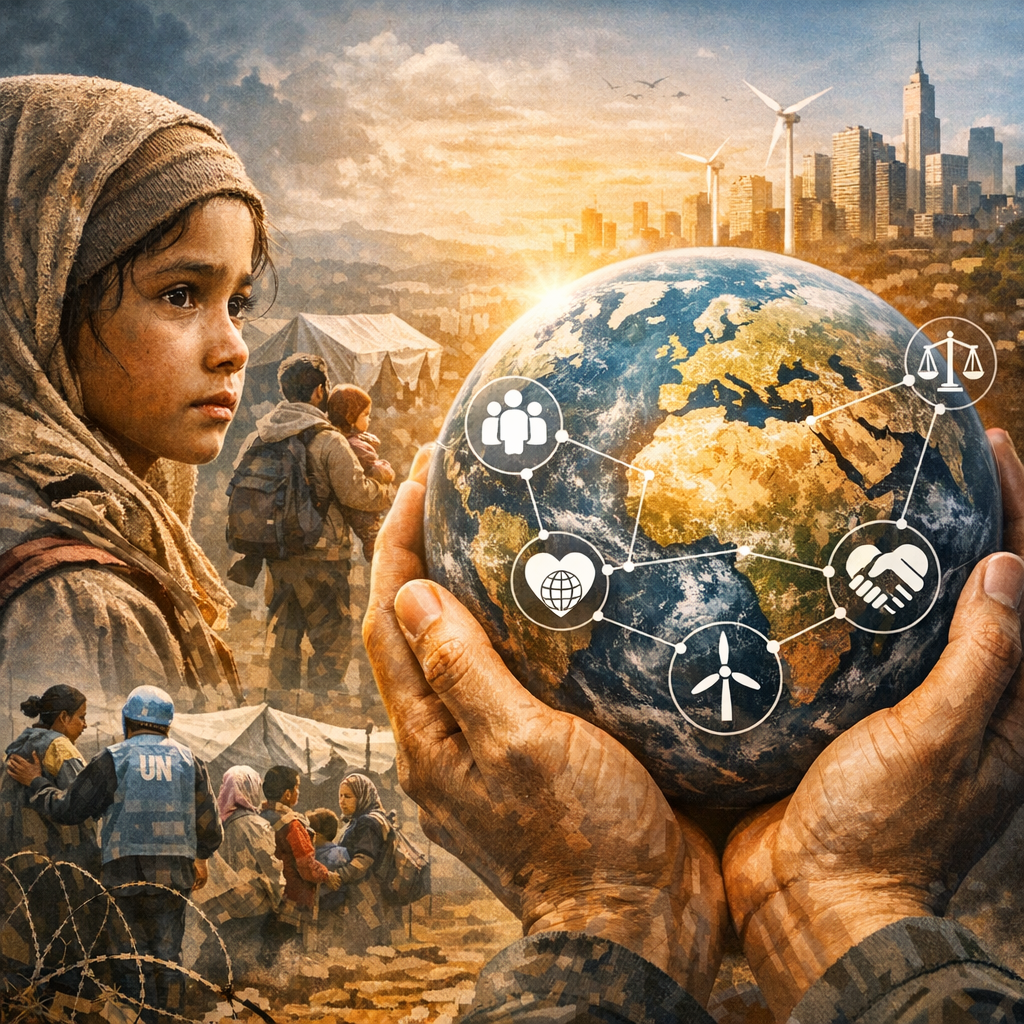
The world has witnessed an unprecedented number of refugees in the 21st century, catalyzing a global reassessment of humanitarian, social, and political responsibilities. This article delves into how the poignant experiences of refugees have inspired a global shift towards more comprehensive and humane policies, marking a new era of global responsibility.
Understanding the Refugee Crisis
The refugee crisis represents one of the most pressing humanitarian issues of our time, with millions of people displaced due to conflict, persecution, and climate change. Countries like Syria, Afghanistan, and South Sudan have seen large portions of their populations forced to flee for safety. This mass movement has not only been a logistical challenge but also a deeply human one, underscoring a global need for empathy and action.
The Scale of Displacement
- Syria: Over 6.6 million refugees
- Venezuela: More than 5.4 million migrants and refugees
- Afghanistan: Over 2.6 million refugees
This growing number pushes international boundaries and challenges national policies, prompting a need for a unified global response.
The Catalyst of Change: Refugee Stories
Refugee stories have laid bare the human cost of conflict and displacement, serving as powerful catalysts for change. The compelling narratives of individuals and families enduring immense hardships have reverberated around the globe, earning the attention of policymakers, activists, and citizens alike.
Impact of Media and Personal Narratives
The media has played a crucial role in bringing refugee experiences to the forefront of public consciousness. Personal stories, often heartbreaking and inspiring, have made abstract statistics relatable and urgent. These narratives have galvanized public sentiment and driven home the reality that behind every number is a human being deserving of dignity and safety.
Policy Reforms and Global Innovations
Inspired by the resilience and stories of refugees, many countries and organizations have begun to rethink their approach to the refugee crisis. This has led to more innovative and compassionate policy reforms aimed at addressing the complex needs of displaced populations.
Examples of Innovative Reforms
- Increased Resettlement Quotas: Countries like Canada have expanded their refugee resettlement programs, offering more people a chance at a new beginning.
- Work Rights for Refugees: Nations such as Jordan and Turkey have revised work permit laws, allowing refugees to sustain their livelihoods and contribute to the local economy.
- Education Access: Organizations and countries are collaborating to provide better educational opportunities for refugee children, ensuring a better future through schooling.
These initiatives not only help refugees rebuild their lives but also contribute to the socio-economic fabric of host countries, creating mutual benefits.
Building a Framework of Global Responsibility
The renewed focus on refugee experiences has prompted international bodies and individual nations to work towards a more cohesive framework of global responsibility. This involves not only addressing immediate needs but also tackling root causes of displacement, such as conflict, poor governance, and environmental degradation.
Steps toward a Sustainable Solution
- Global Partnerships: Strengthening cooperation between countries to share resources and knowledge.
- Comprehensive Asylum Policies: Creating fair and efficient asylum processes that respect international legal standards.
- Support for Source Countries: Investing in development and peace initiatives in countries that are major sources of refugees.
By focusing on these areas, the international community aims to create a more stable and compassionate world where forced displacement can be prevented or managed more effectively.
The Role of Individuals and Communities
While governments and NGOs are pivotal, the role of individual citizens and communities in fostering an environment of acceptance and support cannot be understated. Everyday acts of kindness and solidarity can make tangible differences in the lives of refugees.
How You Can Help
- Educate Yourself and Others: Understanding the issues faced by refugees helps in advocating for their rights and needs.
- Volunteer: Offering time and skills to local refugee support organizations can have a significant impact.
- Donate: Financial contributions help fund critical relief and integration programs.
Each of these actions contributes to a more inclusive and supportive environment for refugees, reinforcing the ethos of global responsibility.
Conclusion
The refugee crisis is a complex and evolving challenge that has prompted a significant shift in global perspective and responsibility. Inspired by the resilience and narratives of refugees, a new era of innovative policies and community actions is upon us. This collective effort is not only about providing immediate relief but also about paving the way for long-term peace and stability. Embracing our global responsibilities today is crucial for building a fairer, more compassionate world tomorrow.