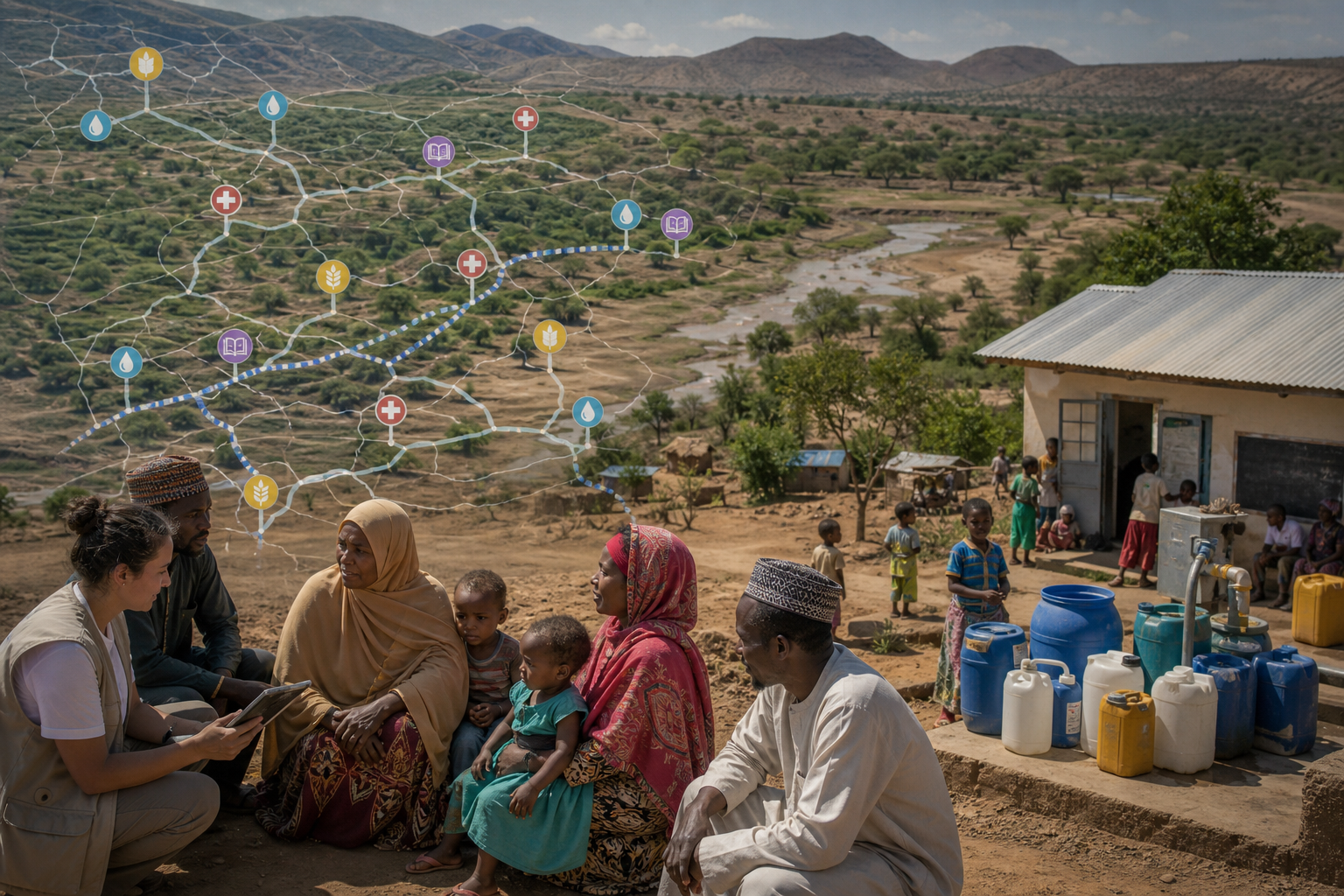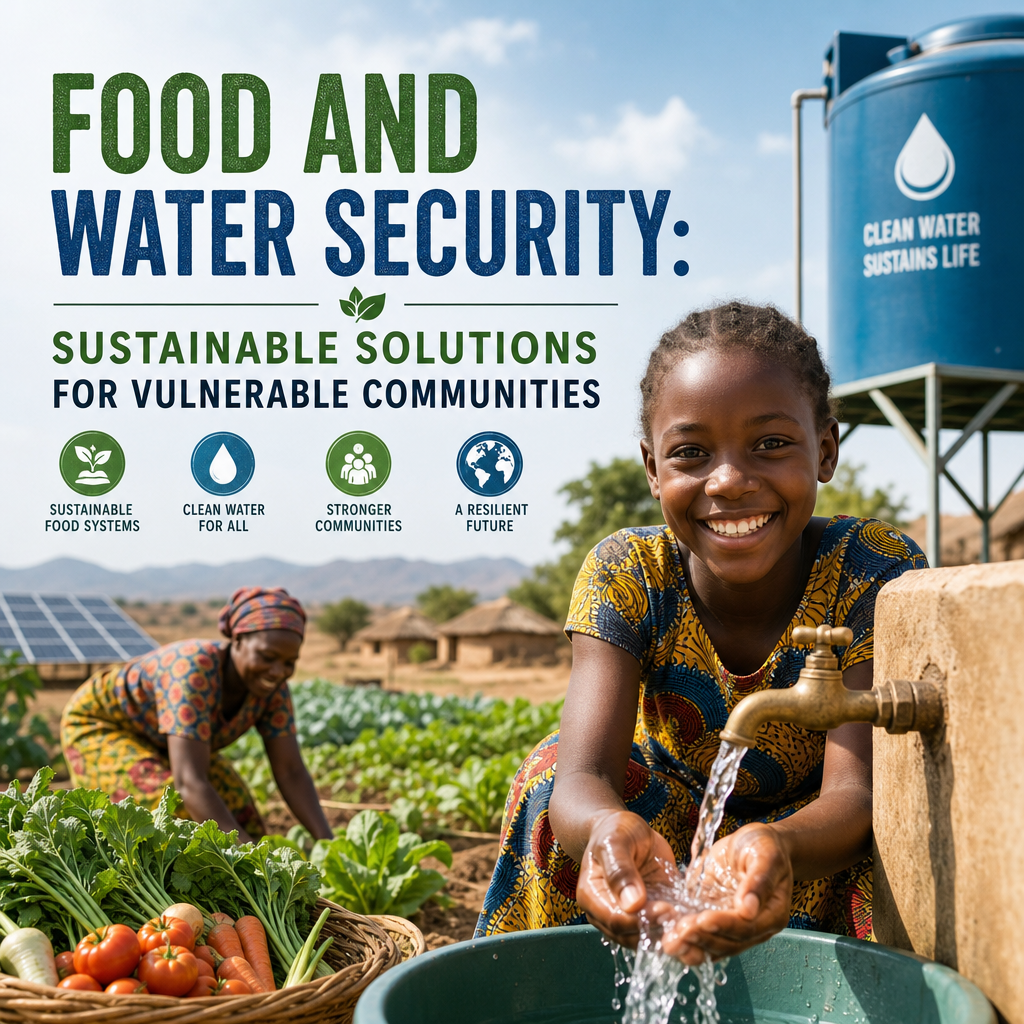

Food and water security are deeply connected, and lasting solutions must strengthen both at once. By supporting sustainable agriculture, clean water access, and local resilience, vulnerable communities can better withstand drought, conflict, and climate change.
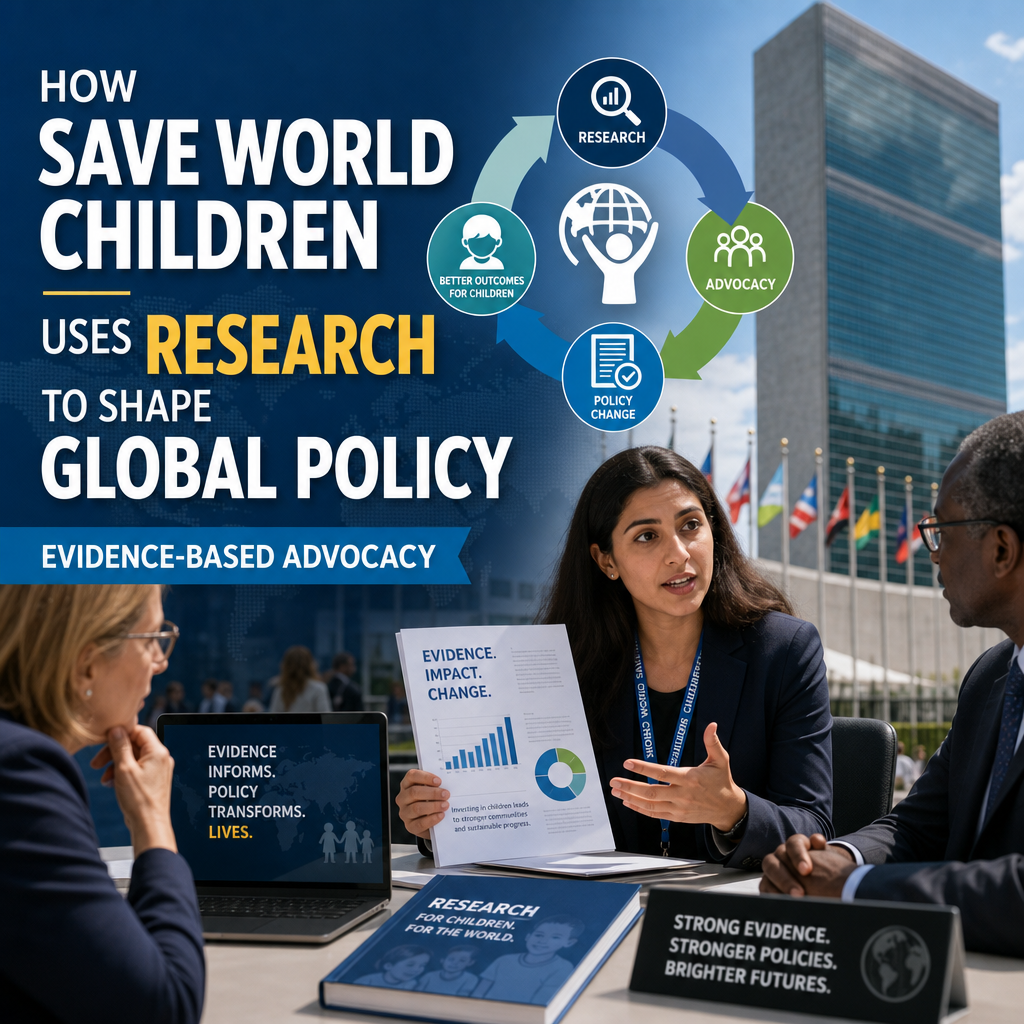
Save World Children’s evidence-based advocacy turns local research into practical policy recommendations that help decision-makers act with confidence. By showing what children need and which solutions work, the organization gives children’s voices a stronger place in global debates.
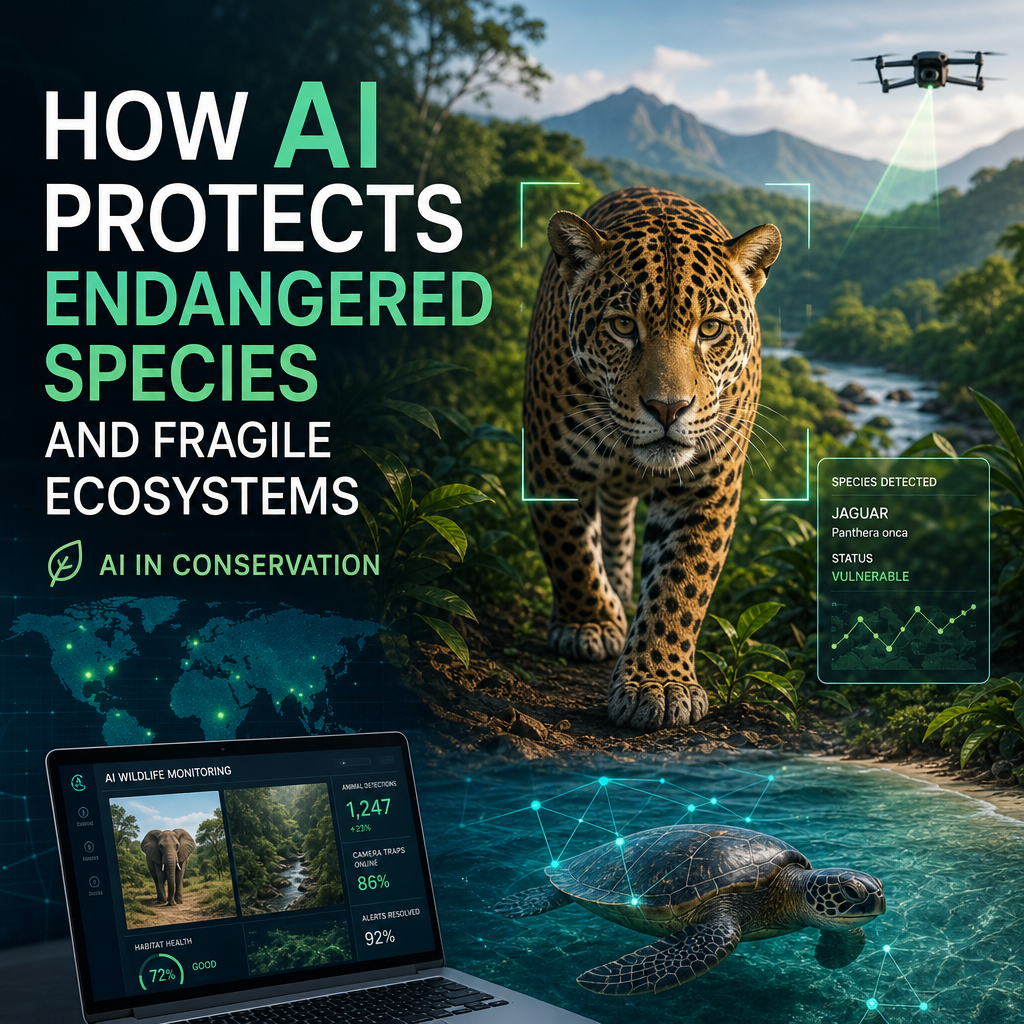
AI in conservation is transforming how scientists protect endangered species and fragile ecosystems. By quickly analyzing images, sounds, and satellite data, it helps teams spot threats sooner and take action before damage spreads.
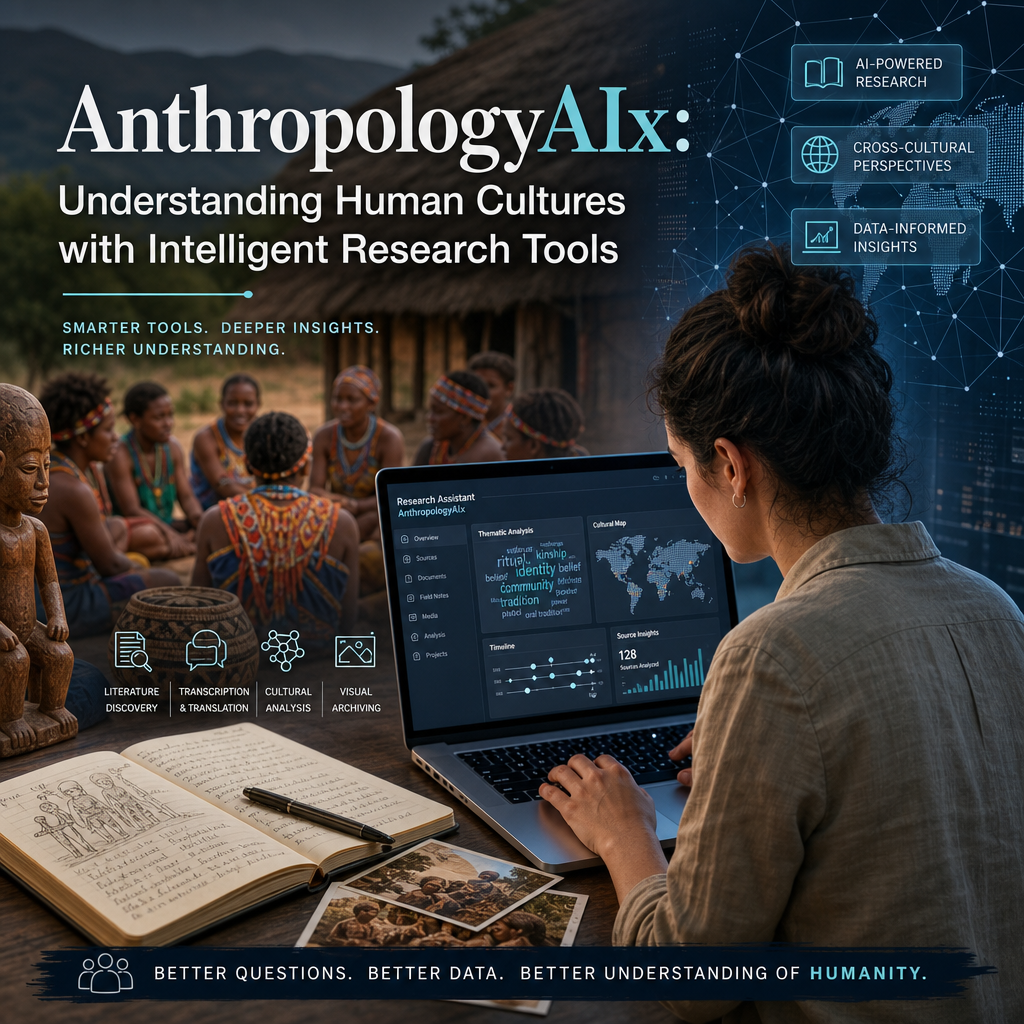
AnthropologyAIx is reshaping how researchers study culture by pairing human insight with anthropological research tools that can organize data, surface patterns, and connect sources at scale. The result is a faster, more connected way to explore the complexity of human life without losing the nuance that anthropology depends on.
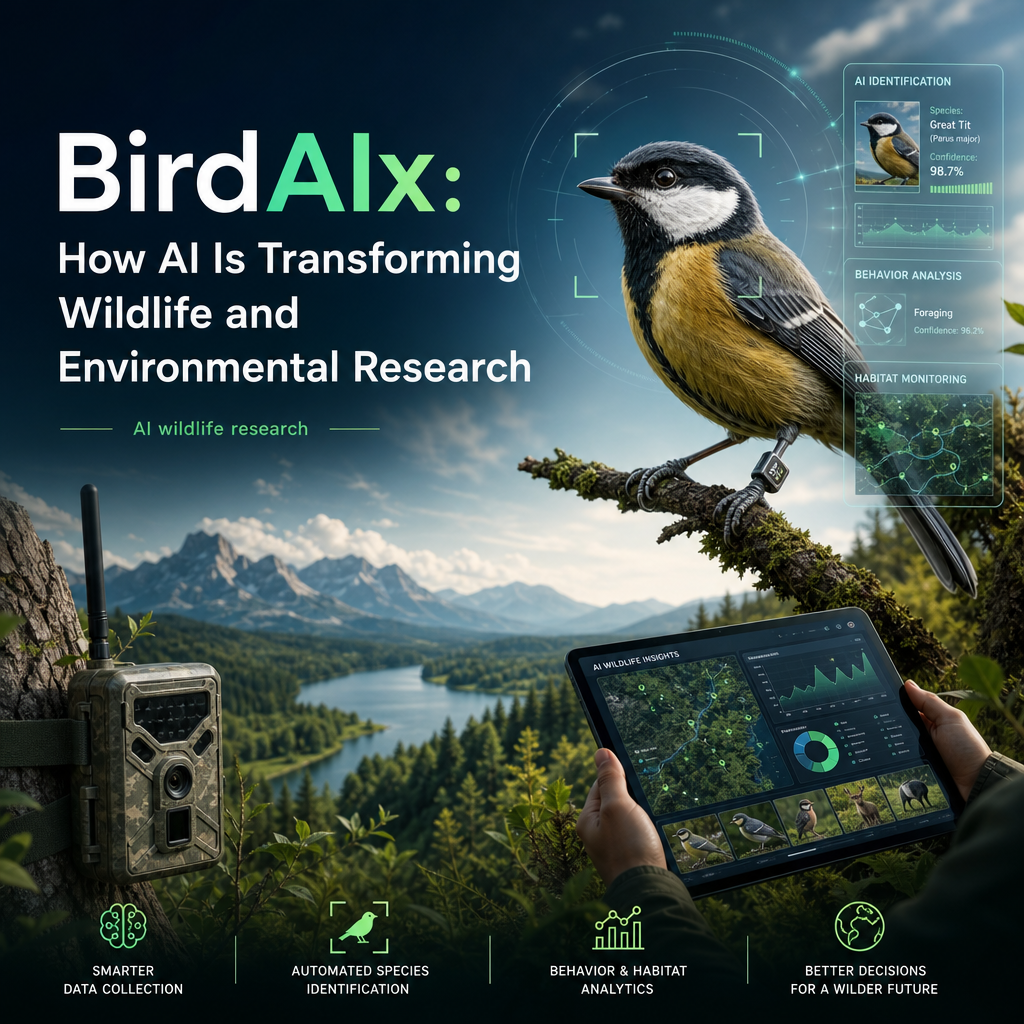
BirdAIx is helping researchers turn massive streams of field data into clear, actionable insights, making AI wildlife research faster and more accurate than ever before. From bird calls to migration patterns, these tools are giving scientists a sharper view of how species and ecosystems are changing.
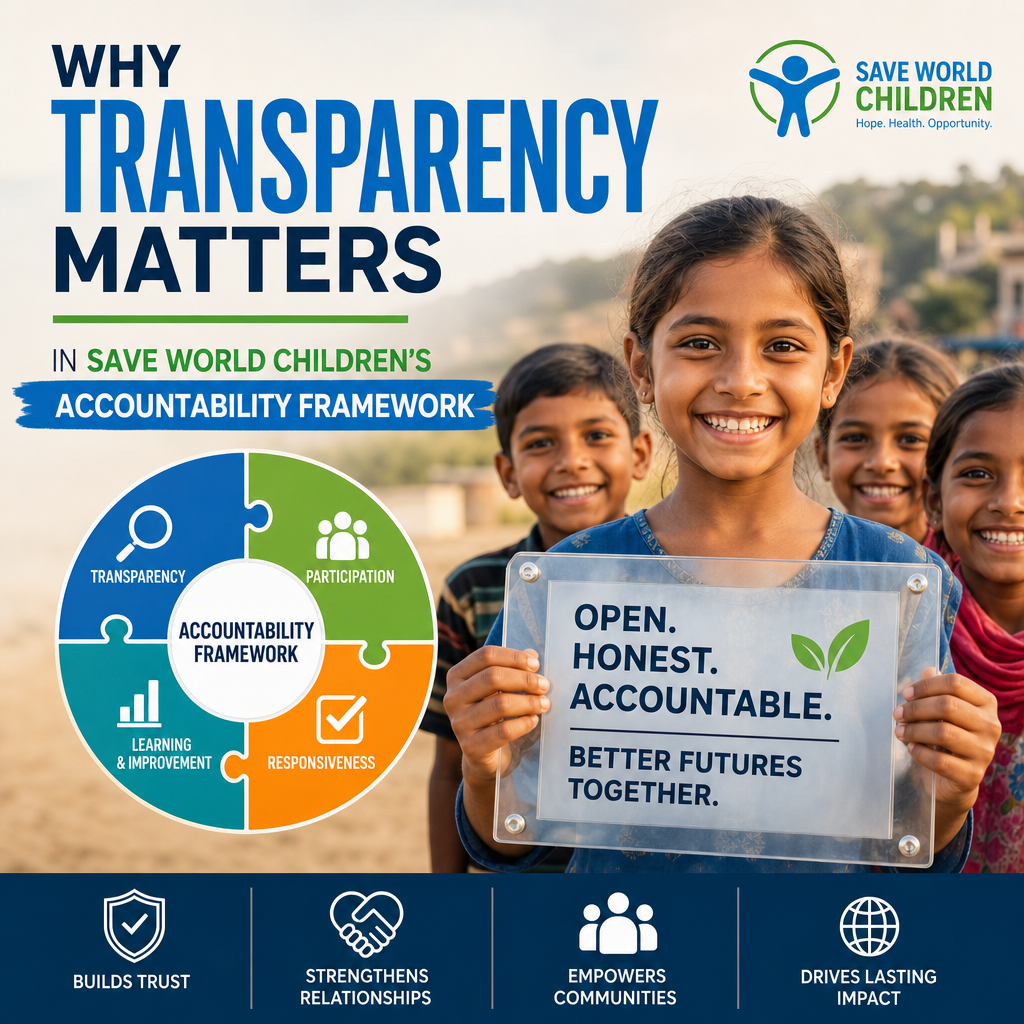
Save World Children’s accountability framework shows how transparency builds trust, protects children, and keeps every program focused on real impact. By making decisions, finances, and results clear, the organization helps donors, partners, and communities feel confident in its work.
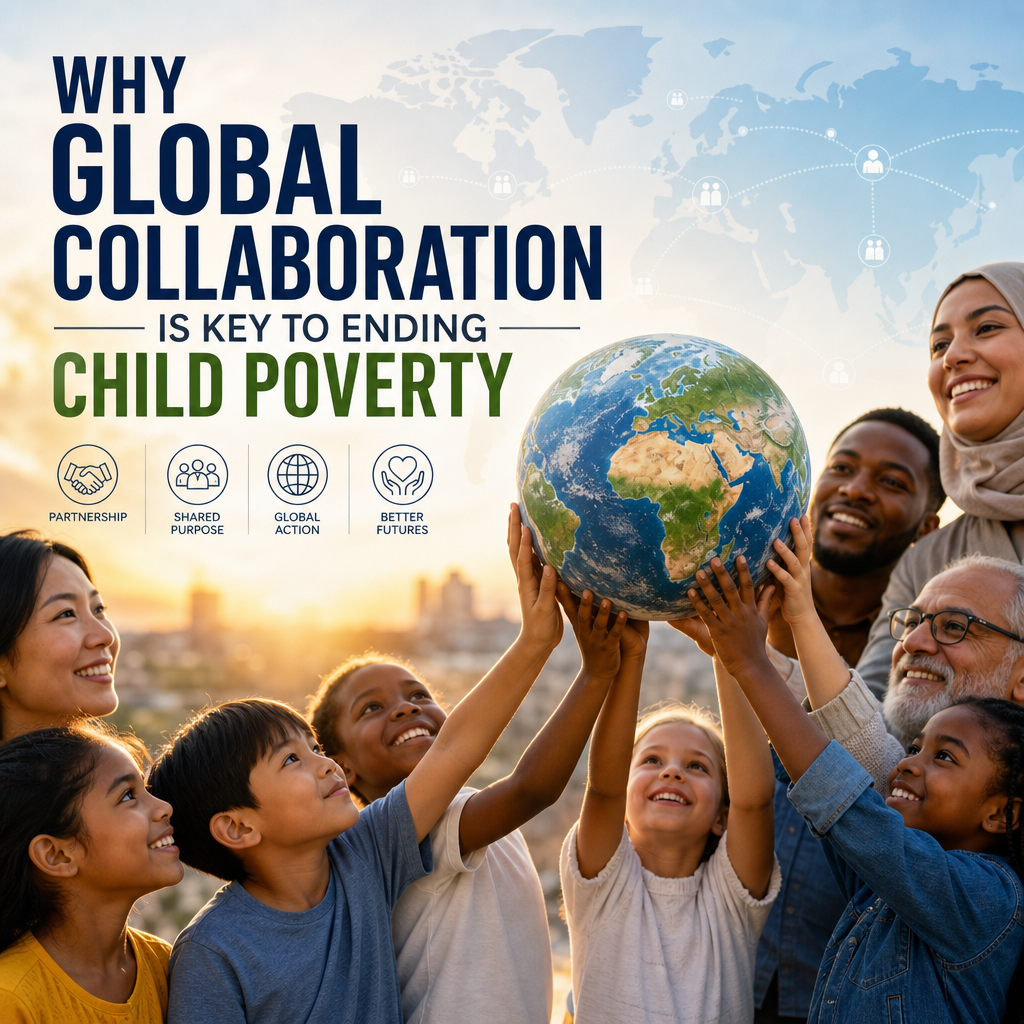
Global collaboration is essential to ending child poverty because no single country or organization can solve such a complex problem alone. When governments, nonprofits, businesses, and communities work together, they can create stronger, longer-lasting solutions that help children thrive.
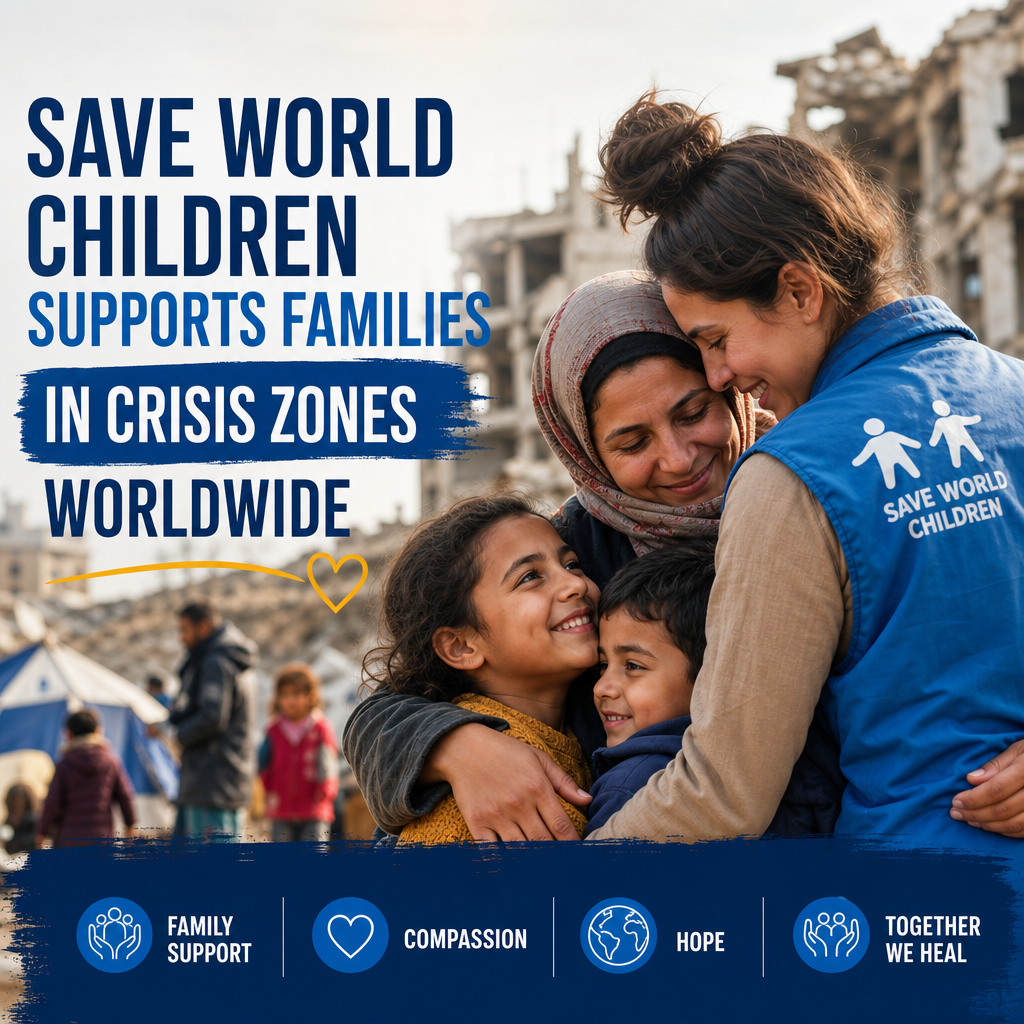
Save World Children delivers family support that meets urgent needs while helping households recover with dignity in crisis zones around the world. From emergency aid to long-term recovery, its family-centered approach protects children and gives caregivers the stability they need to rebuild.
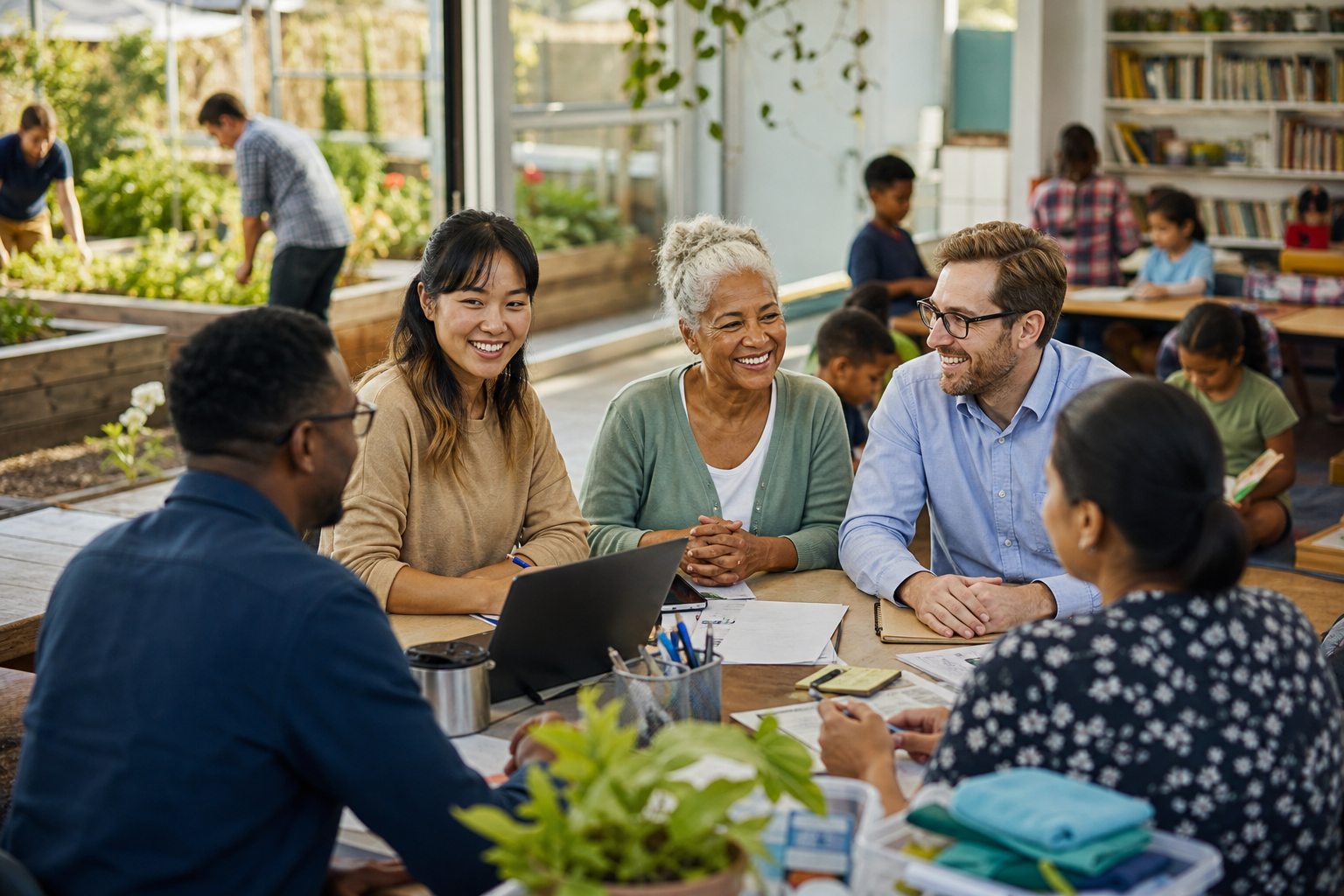
STEM for underserved communities is about more than teaching science and math—it’s about opening doors to opportunity, confidence, and lifelong success. By removing barriers and expanding access, we can help build a new generation of innovators ready to shape the future.
Discover how the unique and invaluable insights gained from lived experience are revolutionizing the design of the worlds most advanced aid platforms, ensuring that empathy and effectiveness go hand in hand.