
From Global Need to Local Action: How Geo-Targeted Aid Reaches Vulnerable Children
Discover how geo-targeted humanitarian aid uses location data, AI, and community insights to identify vulnerable children and connect support with local needs.
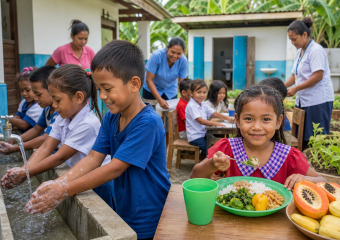
Across the world, millions of children face challenges such as poverty, food insecurity, limited healthcare, inadequate sanitation, displacement, and restricted access to education. Addressing these challenges effectively requires more than providing assistance—it requires understanding where vulnerable children live, what they need, and how support can reach them. Geo-targeted humanitarian aid offers an increasingly important approach to connecting global resources with local needs.
Geo-targeting uses geographic information and community-level data to help organizations identify areas where humanitarian support may be most needed. Instead of treating every community the same, organizations can examine differences between locations and develop programs that respond to specific circumstances.
Understanding Where Needs Are Greatest
Humanitarian needs can vary significantly from one region to another. A community affected by drought may require food and clean water, while children in another area may have greater needs related to healthcare, education, or protection.
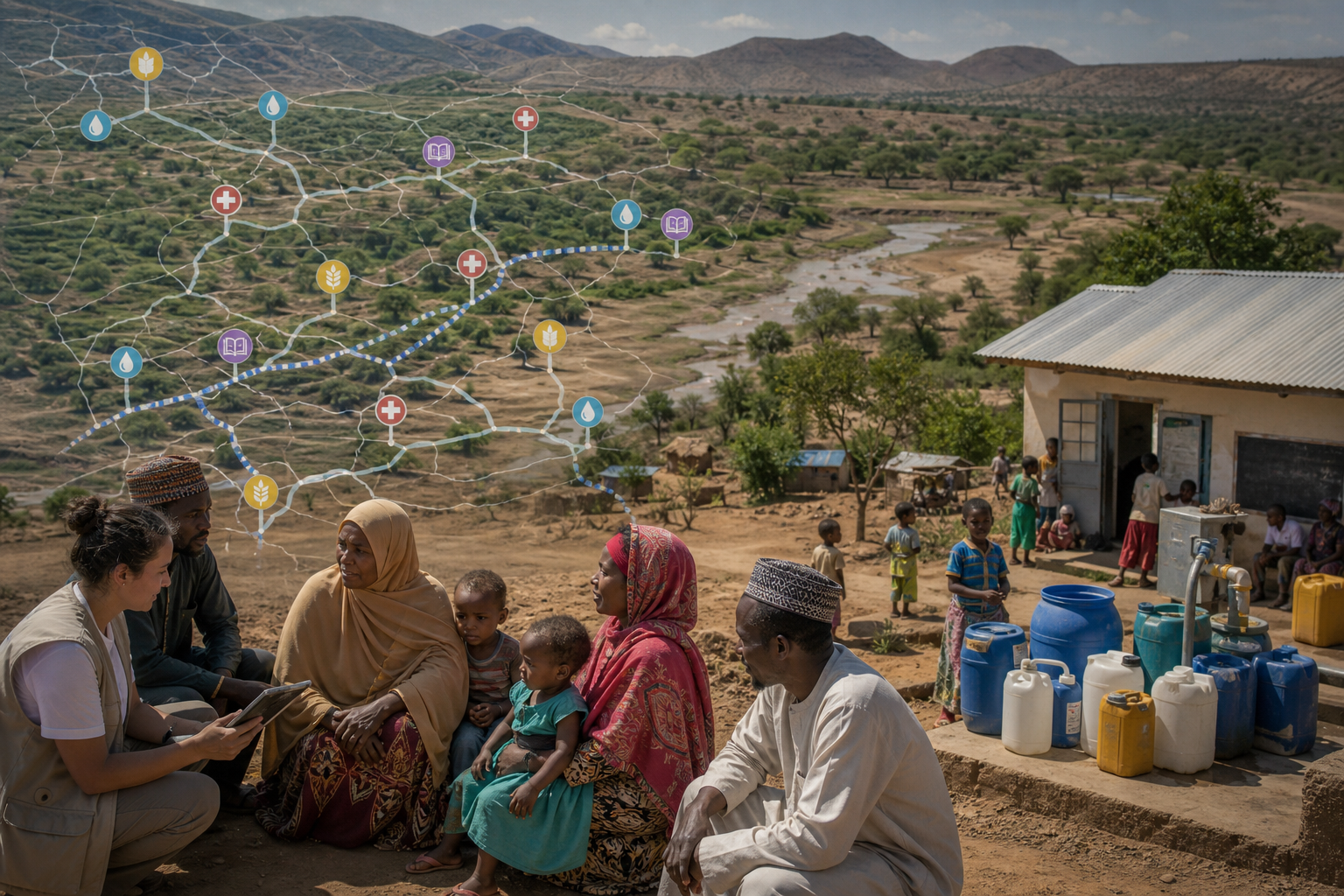
Mapping these needs geographically can help organizations identify underserved communities and recognize gaps in existing services. When reliable local information is combined with geographic data, humanitarian teams can make more informed decisions about where resources should be directed.
Connecting Data With Human Action
Technology is valuable when it helps turn information into meaningful action. Geographic information systems, digital reporting, and other data-driven tools can help organizations monitor communities, identify changing needs, and evaluate whether assistance is reaching intended populations.
For child-focused organizations, this can support more targeted programs in areas where children face significant barriers to essential services. It can also help organizations monitor their reach and identify communities that may require additional attention.
Reaching Vulnerable Children More Effectively
Children living in remote or underserved communities can sometimes be difficult to reach through traditional humanitarian systems. Geographic approaches can help bring these communities into a broader picture of humanitarian planning.
However, technology alone is not enough. Effective humanitarian work also depends on local knowledge, community participation, responsible data practices, and continuous evaluation. Combining these elements can create a more complete understanding of children’s needs.
From Information to Impact
Geo-targeted aid represents a connection between global humanitarian goals and local community realities. By understanding where needs exist and using evidence to guide decisions, organizations can work toward making assistance more focused, responsive, and accountable.
For vulnerable children, this approach can help ensure that humanitarian efforts are not only broad in ambition but also connected to the communities they are intended to serve. Ultimately, transforming global need into local action means using information, technology, and human collaboration to help reach children where support matters most.