
Child Health Initiatives: How Nutrition and Hygiene Programs Improve Children’s Health and Well-Being
Discover how effective child health initiatives combine nutrition, clean water, sanitation, and hygiene programs to support healthier, safer, and stronger futures for children.
Children need more than access to medical care to grow and thrive. Good nutrition, clean water, sanitation, and healthy hygiene practices are essential foundations for childhood development. Effective child health initiatives bring these elements together to help children stay healthy, attend school, and build stronger futures.
The Importance of Child Nutrition
Nutrition plays a central role in a child’s physical and cognitive development. Children who receive adequate nutritious food are better positioned to grow, learn, and maintain their health.
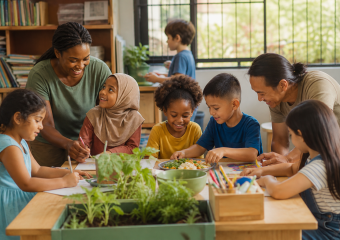
Nutrition programs can address common challenges by providing nutritious meals, supporting families with food resources, educating caregivers about balanced diets, and identifying children who may need additional nutritional support. Education is particularly important because families can use practical nutrition knowledge long after a specific program ends.
Why Hygiene Programs Matter
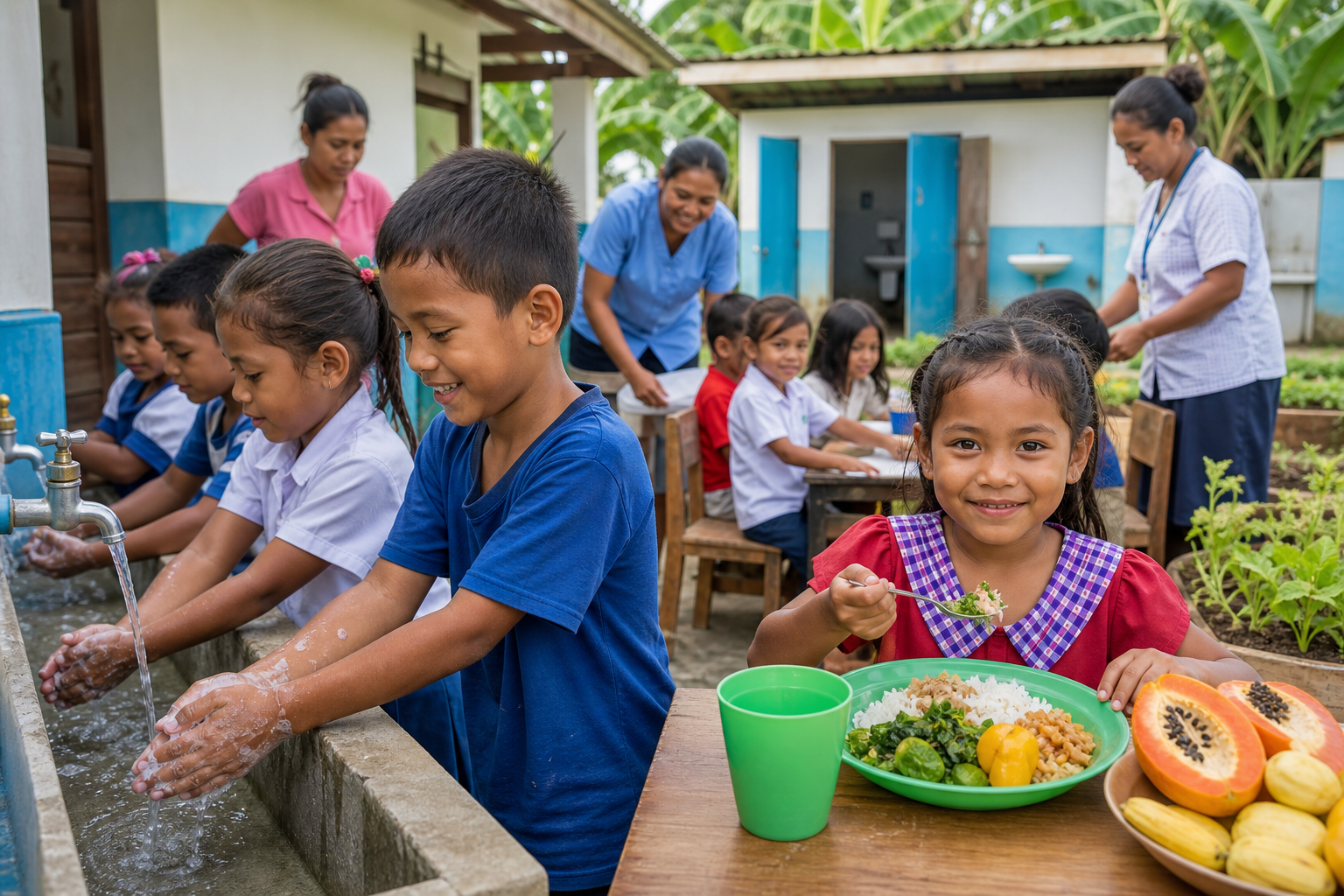
Good hygiene can help reduce the spread of infectious diseases. Simple practices such as washing hands with soap, using safe drinking water, maintaining clean surroundings, and practicing appropriate sanitation can make a meaningful difference in children’s daily lives.
Hygiene education should begin early. Teaching children how and when to wash their hands, for example, can help establish healthy habits that continue throughout their lives. Schools and community programs can reinforce these lessons by providing appropriate facilities and educational resources.
Combining Nutrition, Water, and Hygiene
Nutrition and hygiene are closely connected. Poor sanitation and unsafe water can contribute to illness, which can affect a child’s ability to eat, absorb nutrients, and maintain healthy growth. For this reason, comprehensive child health initiatives often address several needs at the same time.
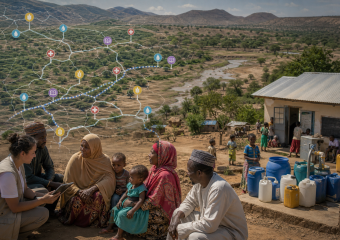
Programs that combine nutrition education, safe water, sanitation, hygiene awareness, and community participation can create a more supportive environment for children. Their effectiveness also depends on local needs, available resources, and consistent community engagement.
Building Healthier Futures
Successful child health programs are not only about immediate assistance. They can also help families and communities develop knowledge and practices that support children’s long-term well-being.
Supporting nutrition and hygiene initiatives means investing in the basic conditions children need to grow, learn, and participate in their communities. When governments, nonprofit organizations, communities, families, and donors work together, child health initiatives can contribute to healthier environments and greater opportunities for children.
Ultimately, improving children’s health begins with practical foundations: nutritious food, clean water, safe sanitation, good hygiene, and access to reliable health information. These essentials can help create healthier childhoods and support children as they build their futures.