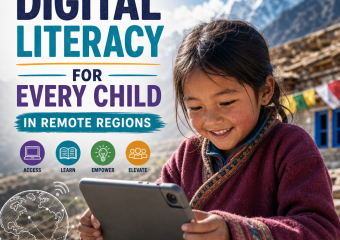

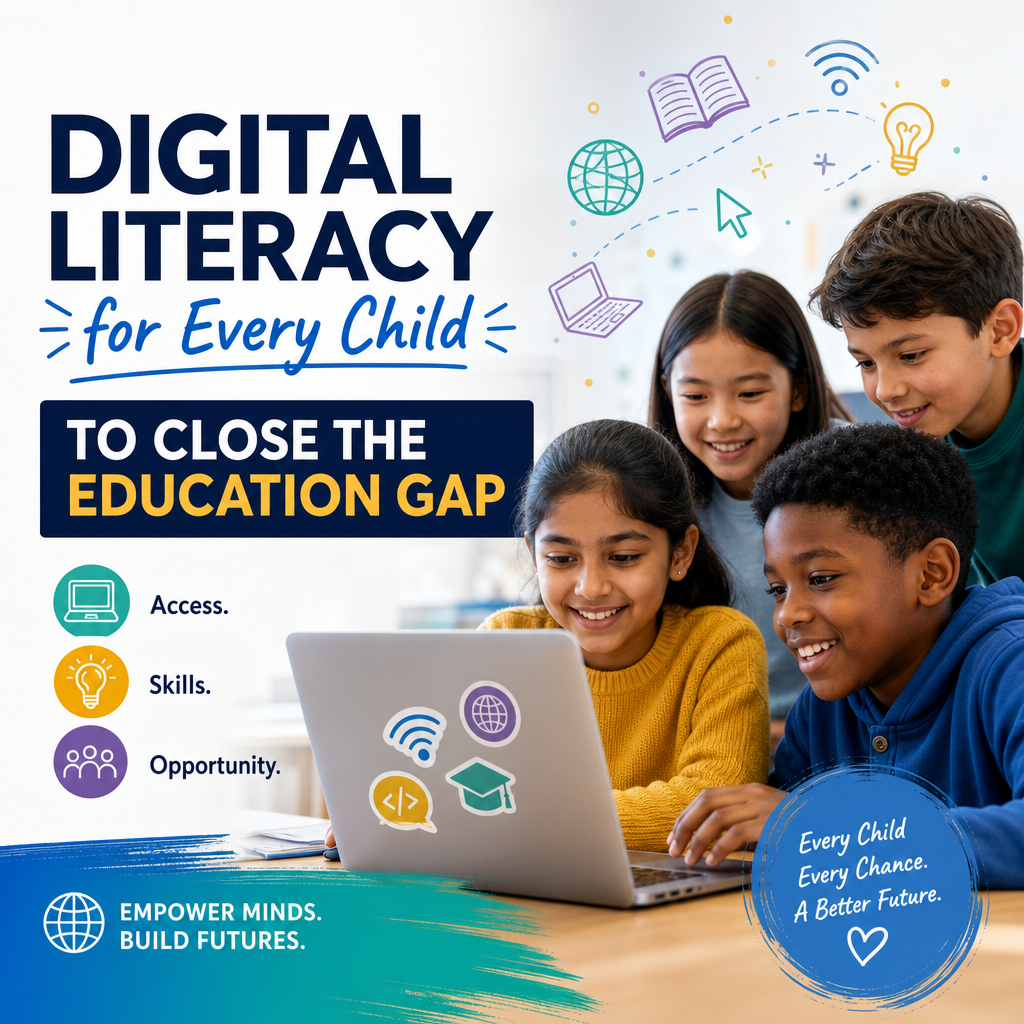
Digital Literacy for Every Child to Close the Education Gap
Digital Literacy for Every Child: Closing the Global Education Gap
Digital literacy is no longer a “nice to have” skill. It is a basic requirement for learning, communication, and participation in modern life. Yet millions of children around the world still lack access to devices, connectivity, and the skills needed to use technology safely and effectively. If we want to close the global education gap, we must make digital literacy for every child a priority.
This is about more than teaching children how to use a tablet or search the internet. It is about giving them the confidence and tools to learn independently, think critically, and participate in a digital world that is shaping their future.
Why Digital Literacy Matters
Education has changed. Homework is submitted online, lessons are shared through digital platforms, and many careers now require basic tech skills. Children who grow up without digital literacy are at a serious disadvantage.
When students understand how to use digital tools, they can:
- access more learning resources
- collaborate with peers and teachers
- develop problem-solving skills
- build confidence in using technology
- prepare for future jobs and training
Digital literacy also helps children become responsible online citizens. They learn how to evaluate information, protect their privacy, and recognize harmful content. In a world full of misinformation, these skills are essential.
The Global Education Gap Is Also a Digital Divide
The global education gap is not only about access to schools. It is also about unequal access to technology and digital learning opportunities. In some communities, children have reliable internet, devices, and well-trained teachers. In others, even basic electricity can be limited.
The digital divide shows up in several ways:
1. Lack of Devices
Many children share one phone in a household or have no device at all. Without access to laptops, tablets, or even smartphones, online learning becomes impossible.
2. Poor Connectivity
Internet access remains expensive or unreliable in many parts of the world. A child may have a device but still be unable to connect to lessons, assignments, or educational apps.
3. Limited Teacher Training
Teachers are central to digital learning, but many need more support to use technology effectively. Without training, even well-equipped classrooms may struggle to deliver meaningful digital education.
4. Language and Accessibility Barriers
A lot of digital content is not available in local languages or accessible formats. Children with disabilities often face additional barriers if platforms are not designed with inclusion in mind.
Building Digital Literacy from the Ground Up
Closing the education gap requires more than distributing devices. It means creating systems that help children learn, practice, and grow with technology in age-appropriate ways.
Start Early
Digital literacy should begin in the early years of schooling. Young children can learn simple skills such as:
- using a mouse or touchscreen
- opening and closing apps
- recognizing safe websites
- understanding basic online behavior
These early experiences build comfort and curiosity, making it easier to develop more advanced skills later.
Train Teachers
Teachers need ongoing support to integrate technology into lessons. Professional development should focus on both technical skills and teaching strategies. When educators are confident, they can guide students through digital learning in a way that is engaging and effective.
Use Local Contexts
Digital education works best when it reflects local needs. Content should be relevant, culturally appropriate, and available in languages children understand. Community-based solutions often work better than one-size-fits-all programs.
Promote Safe and Responsible Use
Digital literacy must include safety. Children should learn how to:
- protect passwords and personal information
- identify fake news and scams
- behave respectfully online
- report inappropriate content
These lessons help children navigate the internet with confidence and care.
Partnerships Can Accelerate Change
Governments, schools, non-profits, and technology companies all have a role to play. No single group can solve the challenge alone.
Effective partnerships can support:
- affordable device access
- improved internet infrastructure
- teacher training programs
- open educational resources
- inclusive digital platforms
Public-private collaboration can be especially powerful in underserved regions. When resources and expertise are shared, progress becomes faster and more sustainable.
The Role of Parents and Communities
Families and communities are important partners in digital literacy. Parents do not need to be tech experts to support their children. They can encourage safe screen habits, ask about what children are learning online, and help create a balanced approach to technology use.
Community centers, libraries, and local organizations can also provide access to devices and training. In many places, these spaces are the first point of contact between children and the digital world.
A More Equal Future Starts Now
The goal of digital literacy for every child is not just to keep up with technology. It is to ensure that every child has a fair chance to learn, grow, and succeed. When children are digitally literate, they are better prepared for school, work, and life.
Closing the global education gap will take investment, coordination, and long-term commitment. But the payoff is enormous: stronger communities, more equal opportunities, and a generation of learners ready to shape the future.
If we want education to be truly universal, digital literacy must be part of the foundation. Every child deserves that chance.