
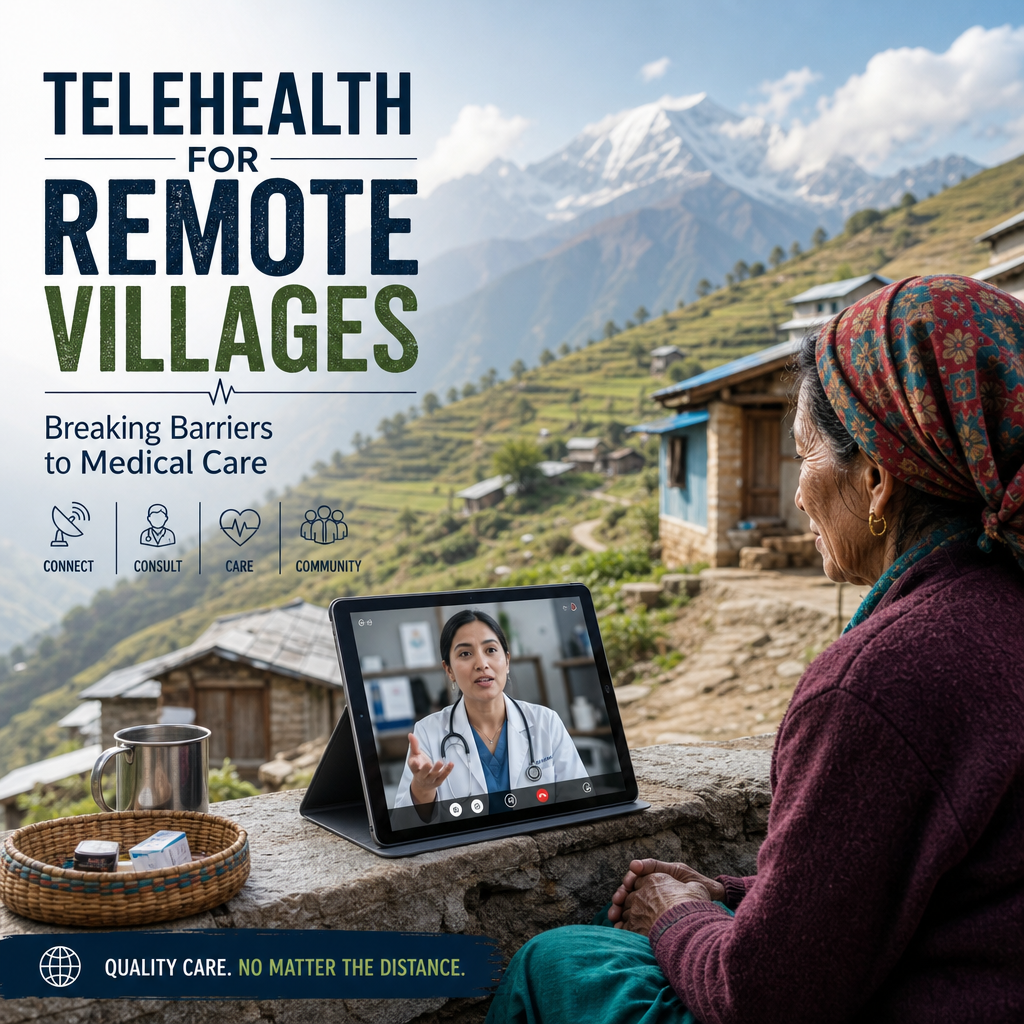
Telehealth for Remote Villages: Breaking Barriers to Medical Care
Telehealth for Remote Villages: Breaking Barriers to Medical Care
For many people living in remote villages, getting medical help is not as simple as booking an appointment and driving across town. A clinic may be hours away, roads may be unreliable, and specialist care can feel impossible to reach. In these settings, telehealth for remote villages is changing what access to healthcare looks like.
By connecting patients and providers through phones, tablets, computers, and low-bandwidth digital tools, telehealth is helping communities overcome distance, cost, and shortage of medical staff. It is not a perfect replacement for in-person care, but it is becoming an essential bridge.
Why Remote Villages Face Greater Health Barriers
People in rural and isolated communities often deal with the same illnesses as everyone else, but they face extra obstacles when seeking care.
Common challenges include:
- Long travel times to the nearest clinic or hospital
- High transportation costs for fuel, bus fares, or emergency travel
- Fewer healthcare workers and limited access to specialists
- Delayed diagnoses because symptoms are ignored until they worsen
- Missed follow-up visits due to weather, work, or family responsibilities
These barriers can turn manageable conditions into serious health problems. A simple infection, chronic illness, or prenatal complication may become dangerous when treatment is delayed.
How Telehealth Works in Low-Access Areas
Telehealth uses digital communication to deliver care remotely. In remote villages, this can happen in several ways depending on available infrastructure.
Common telehealth methods include:
- Video consultations with doctors, nurses, or specialists
- Phone appointments for basic check-ins and advice
- Text messaging or chat-based support for reminders and symptom updates
- Remote monitoring through devices that track blood pressure, blood sugar, or heart rate
- Hub-and-spoke systems, where a local health worker connects patients to distant clinicians
This flexible approach makes it easier to adapt healthcare to local conditions. Even when internet coverage is weak, simpler tools like phone calls and SMS can still provide meaningful support.
The Biggest Benefits of Telehealth for Remote Villages
Telehealth does more than save a trip. It can improve health outcomes in practical and lasting ways.
1. Faster access to care
Patients can speak to a clinician much sooner, often before a condition becomes urgent. This is especially valuable for fever, rash, medication side effects, mental health concerns, and minor injuries.
2. Better management of chronic conditions
People with diabetes, hypertension, asthma, and other long-term conditions need regular monitoring. Telehealth makes follow-up easier, helping patients stay on track with treatment plans and medication changes.
3. Safer maternal and child health support
Pregnant women in remote villages can use telehealth to ask questions, report warning signs, and schedule needed in-person visits. New parents can also get guidance on feeding, fevers, and infant care without long travel.
4. Reduced financial strain
When a village resident does not need to travel for every appointment, the family saves money on transport, time off work, and lodging. These savings matter a great deal in communities with limited income.
5. More support for local health workers
Telehealth can help nurses, midwives, and community health workers get advice from specialists. That support improves decision-making and builds local capacity over time.
Challenges That Still Need Attention
Even though telehealth is promising, it cannot solve every problem on its own.
Some of the main challenges include:
- Poor internet connectivity or lack of mobile service
- Limited access to smartphones, computers, or electricity
- Low digital literacy among patients and providers
- Language and cultural barriers that affect communication
- Need for physical exams, lab tests, or emergency care in some cases
- Privacy concerns in homes where family members may overhear consultations
For telehealth to work well, programs must be designed with the realities of rural life in mind. Technology should fit the community, not the other way around.
What Makes Telehealth Successful in Remote Communities
The most effective telehealth programs are built around local needs and local partnerships.
Successful programs often include:
- Training for community health workers
- Simple platforms that work on basic phones
- Offline or low-bandwidth features
- Multilingual support
- Clear referral systems for in-person emergencies
- Government or nonprofit investment in connectivity and equipment
When local clinics, regional hospitals, and public health agencies work together, telehealth becomes more than a convenience. It becomes part of a stronger health system.
A Bridge, Not a Replacement
Telehealth is not meant to replace hospitals, doctors, or emergency care. Instead, it serves as a bridge between people and the services they need. For remote villages, that bridge can mean earlier treatment, fewer complications, and better health for families who have spent too long facing care gaps.
As technology improves and communities gain better access to digital tools, telehealth for remote villages will likely play an even bigger role in global healthcare. The goal is simple: make quality medical care available no matter where someone lives.