
AI’s Role in Prioritizing Medical, Nutrition, and Education Aid
How AI Helps Us Prioritize Medical, Nutrition, and Education Aid
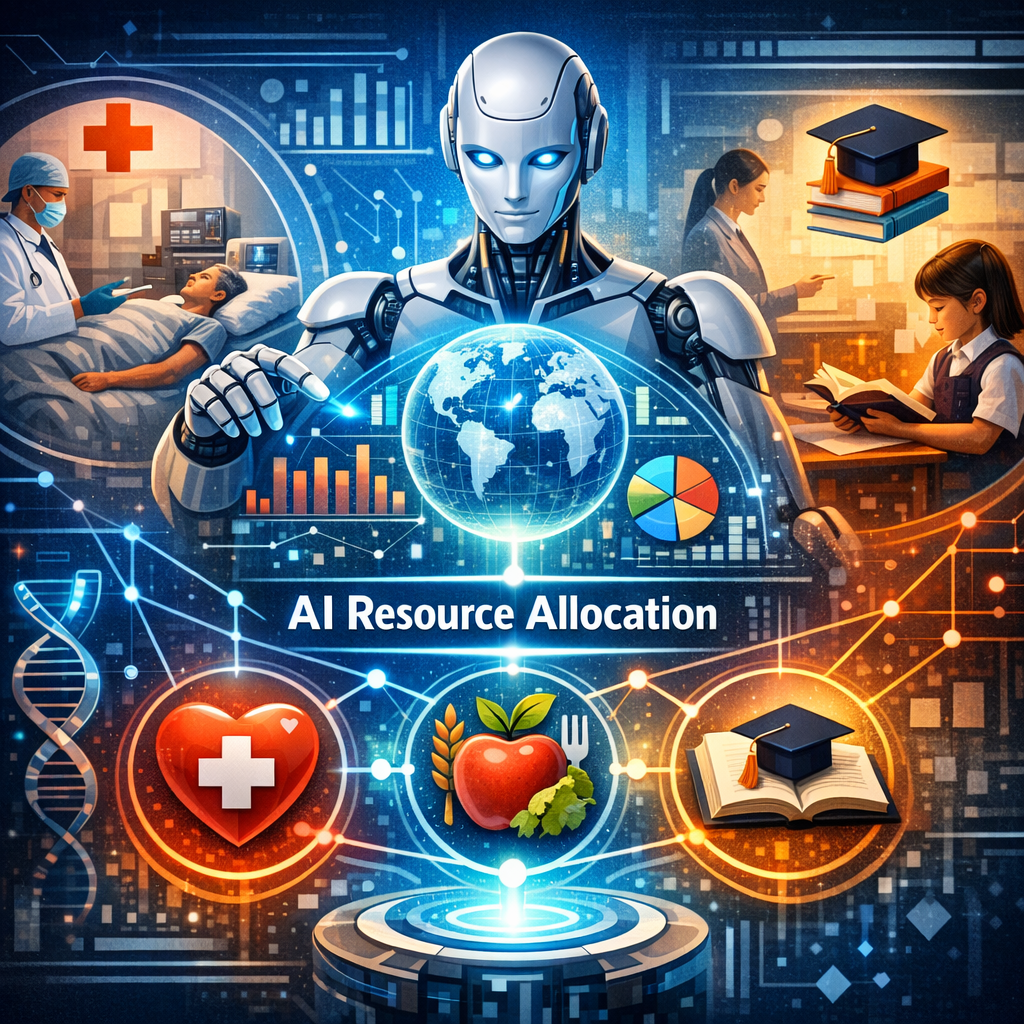
In our increasingly interconnected world, Artificial Intelligence (AI) is transforming numerous sectors, including healthcare, nutrition, and education. By leveraging AI, we can prioritize and allocate resources more efficiently, ensuring that aid reaches those who need it most with remarkable precision. Let’s delve into how AI influences these critical areas and facilitates better decision-making and resource allocation.
Streamlining Medical Aid Through AI
Predictive Analytics in Healthcare
AI’s ability to analyze vast datasets quickly and accurately makes it invaluable in medical settings. Predictive analytics, one of AI’s applications, can forecast disease outbreaks or health crises by detecting patterns and anomalies in data. Countries use these insights to prioritize the distribution of medical supplies, vaccines, and personnel before a situation worsens, significantly improving response times and outcomes.
AI in Emergency Response
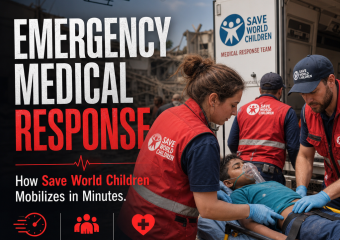
In scenarios where time is of the essence, such as natural disasters or epidemics, AI-driven systems can optimize aid dispatch. By analyzing real-time data, AI models determine the areas most in need of immediate medical assistance and plan the most effective routes for aid delivery, overcoming geographical and logistical barriers.
Enhancing Nutrition Programs with AI
Identifying Nutritional Deficits
AI tools play a crucial role in monitoring and assessing nutritional needs across different populations. By evaluating data from health surveys and regional food consumption patterns, AI helps identify regions facing malnutrition or specific nutritional deficiencies. This targeted approach allows organizations to tailor their interventions, providing the right type of nutritional support where it is needed the most.
Optimizing Food Distribution
Distribution of food aid is another area where AI makes a significant impact. AI algorithms can predict food shortages and surplus in different areas, allowing for better planning and distribution. This predictive capability helps in minimizing waste and ensuring that surplus food reaches areas experiencing shortages, enhancing the efficiency of food aid programs.
Revolutionizing Education Through AI
Personalized Learning Experiences
AI has the potential to transform educational aid by enabling personalized learning. AI-powered platforms can adapt to the learning pace and style of individual students, offering customized resources and tutoring. This approach is particularly beneficial in under-resourced areas where access to quality education and individual attention is limited.
Resource Allocation and Curriculum Development
In education, AI’s analytical ability ensures that limited resources are used most effectively. By analyzing data on educational outcomes and resource utilization, AI helps identify which programs are most effective and which need improvement. Additionally, AI can assist in developing curricula that reflect the most pressing educational needs of a community, ensuring that educational aid is both relevant and impactful.
Overcoming Challenges
While the benefits of AI in prioritizing aid are immense, there are also challenges to consider:
- Data Privacy and Security: Managing personal data responsibly is crucial. Ensuring the security and privacy of the data used in AI applications must be a top priority.
- Algorithm Bias: AI systems are only as unbiased as the data they are trained on. Efforts must be made to ensure that AI applications do not perpetuate existing disparities.
- Infrastructure Needs: Effective AI deployment requires robust digital infrastructure, which is not always available in remote or underdeveloped regions.
Conclusion
AI’s role in enhancing the effectiveness of medical, nutritional, and educational aid cannot be overstated. Through its capacity to analyze large datasets, predict trends, and personalize services, AI is not only revolutionizing these fields but also ensuring that aid is distributed more fairly and effectively. As we continue to refine AI technologies and address associated challenges, the future of aid looks more precise, impactful, and inclusive.