
Why Children Are Key to Global Development Strategies
Why Children Are the Center of Every Global Development Strategy
Children are frequently referred to as the future, as they hold the keys to ongoing global development. This might sound like a cliché, but the implication of this statement is profound and drives numerous international policies and development strategies. Understanding how and why children form the centerpiece of these strategies offers insight into the hopes and plans of societies around the world.
The Role of Children in Sustainable Development
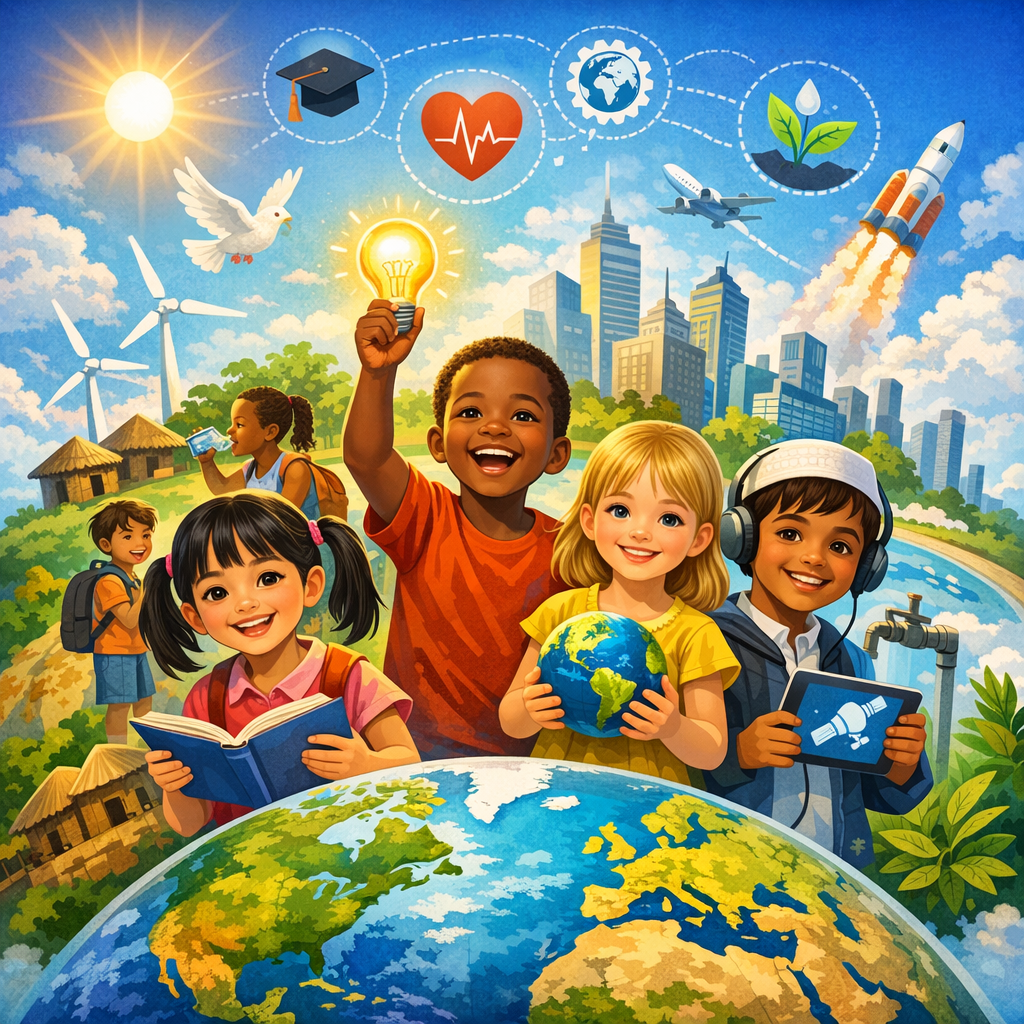
Children are the most significant demographic when it comes to planning for continuity, resilience, and long-term global welfare. Their well-being, education, and health are central to sustainable development goals set by institutions like the United Nations.
Education and Long-term Economic Growth
Education plays a pivotal role in economic stability and growth. Ensuring access to quality education for children contributes to developing skilled professionals who can address future global challenges. Moreover, education fosters innovation and entrepreneurship which are key components of economic dynamism.
- Skill Development: Educational systems designed to meet global standards prepare children to participate effectively in the global economy.
- Innovation: Nurturing critical thinking from a young age leads to a generation capable of producing innovative solutions to existing and emerging problems.
Health and Lifespan Contributions
The health of children correlates directly with the health of the future workforce. Preventative measures taken in childhood – such as vaccinations, nutritional support, and healthcare accessibility – reduce the incidence of diseases later in life, contributing to a healthier, more productive populace.
- Early Life Healthcare: Initiatives focusing on the health of children ensure a decrease in mortality rates and disease prevalence in adulthood.
- Physical and Mental Health: Robust child health programs lead not only to physical well-being but also to mental and emotional stability, contributing to the overall societal health.
Economic Implications of Child-Centric Policies
Investing in children is not only a moral and ethical imperative but also an economic strategy. By allocating resources towards the development of children, nations prepare themselves for reduced future healthcare costs, improved productivity, and greater innovation.
Reduced Long-term Healthcare Costs
Healthy children grow into healthy adults who require less medical intervention. This reduction in healthcare necessity translates into significant economic savings for both families and governments.
Increased Workforce Productivity
Educated and healthy individuals are more likely to contribute positively to the workforce. They engage in jobs that require critical thinking and creativity, driving the economy forward.
Social Stability and Security
Children raised in environments that foster education, health, and emotional well-being are less likely to engage in antisocial behavior. This enhances the overall security and stability of societies.
- Reduced Crime Rates: Studies show that educational and social programs reduce juvenile delinquency and later criminal activities.
- Social Cohesion: Education fosters a sense of community and understanding among diverse groups, leading to more cohesive societies.
Environmental Stewardship from a Young Age
Teaching children about environmental conservation and sustainability practices embeds a lifelong commitment to stewarding natural resources. This endeavor is crucial as environmental challenges like climate change and resource depletion become more prominent.
- Sustainability Education: Schools and communities that integrate sustainability into their curricula cultivate eco-conscious citizens.
- Active Participation: Engaged, knowledgeable young people are more likely to advocate for and implement sustainable practices in their adult lives.
Conclusion
The centrality of children in global development strategies is evident through the focus on their education, health, and general welfare in policy-making. These strategies are not only about protecting the vulnerable but are fundamentally about investing in the world’s future. Every step taken to improve the life of a child is a step towards a more stable, productive, and sustainable world. Engaging children today in the pathways that shape the future of our societies ensures that the next generation is not only ready to inherit the earth but is well-prepared to meet its challenges head-on and lead it forward.