
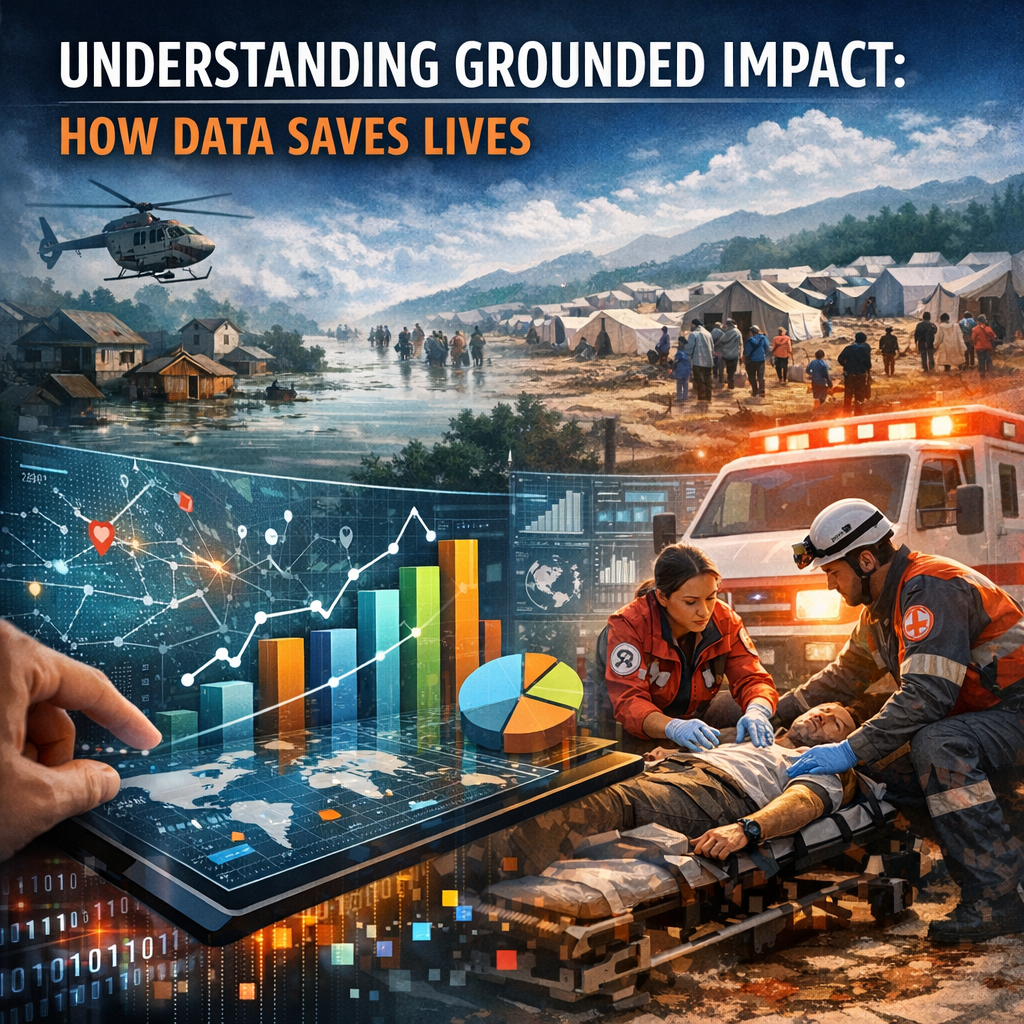
Understanding Grounded Impact: How Data Saves Lives
The Science Behind Grounded Impact: Turning Data Into Lives Saved
In a world where data is as ubiquitous as air, harnessing its potential for making a real, tangible impact on society—particularly in saving lives—has become a frontier of modern research and practical application. From healthcare systems to crisis response, the ability to translate raw data into actionable insights can indeed mean the difference between life and death. This article delves into the science of making a grounded impact through data, illustrating how this capability is revolutionized by innovations in technology and methodology.
Understanding Grounded Impact
Grounded impact refers to the practical application of data insights to produce measurable, beneficial outcomes in real-world scenarios. In the context of saving lives, it implies using data-driven decisions to enhance the efficiency and efficacy of interventions in health emergencies, disaster response, and public safety.
Key Areas of Application
- Healthcare: Implementing predictive analytics to improve patient outcomes and manage chronic diseases effectively.
- Emergency Response: Enhancing disaster preparedness and response through real-time data analysis.
- Public Safety: Using data to strategize and implement better safety regulations and practices.
Harnessing Data for Emergency Response
In emergency management, the speed and accuracy of the response can significantly affect the survival rate. Data science plays a crucial role here. By analyzing past disasters and response strategies, professionals can predict outcomes and prepare more effectively. For instance, data-driven models can forecast the spread of fire in real-time, allowing fire departments to deploy resources more strategically, potentially saving more lives and property.
Innovations in Technology
- Real-Time Data Analysis: Tools like GIS (Geographic Information Systems) and IoT (Internet of Things) devices provide real-time insights that are critical during emergencies.
- Machine Learning Models: These are used to predict disaster impacts and optimize response efforts based on continuously updated data streams.
Transforming Healthcare with Data
The power of data in healthcare is transformative, with its impact echoing across various facets from diagnosis to treatment and preventive care.
Predictive Analytics in Healthcare
By analyzing patterns from a vast array of health data, medical professionals can predict disease outbreaks, anticipate the worsening of conditions, and understand patient needs beforehand, significantly improving the quality of care and saving lives.
Case Study: Real-time Health Monitoring
Devices like wearable heart monitors send immediate data to health professionals, allowing for quick responses that can prevent fatal outcomes. Similarly, predictive analytics can flag high-risk patients for conditions like diabetes, enabling preemptive measures.
Challenges and Ethical Considerations
While the benefits of using data to save lives are immense, there are significant challenges and ethical considerations that need to be addressed:
- Privacy Concerns: Ensuring patient and individual privacy is maintained while collecting and analyzing data.
- Accuracy and Reliability: The need for highly accurate data to make life-critical decisions.
- Bias in Data: Ensuring that the algorithms used are free from biases that could lead to skewed outcomes.
Future Directions
Integrating AI and Robotics
The future of data-driven life-saving solutions lies in the integration of AI and robotics. For example, drones can be used for delivering medical supplies in remote areas, and robots can be employed in search and rescue operations in disaster-stricken regions.
Improved Data Collaboration
Enhancing the ways different organizations share and utilize data can further improve response times and effectiveness in crisis situations.
Conclusion
The journey of data from bits stored in a server to a factor that can save lives is intricate and filled with possibilities as well as challenges. As we advance, the focus should not only rest on developing new technologies but also on ensuring these tools are accessible and used ethically across the globe. The cornerstone of grounded impact through data lies in its thoughtful and humanitarian application—turning numbers into narratives that speak of a life preserved, a community safeguarded, or a disaster averted.