

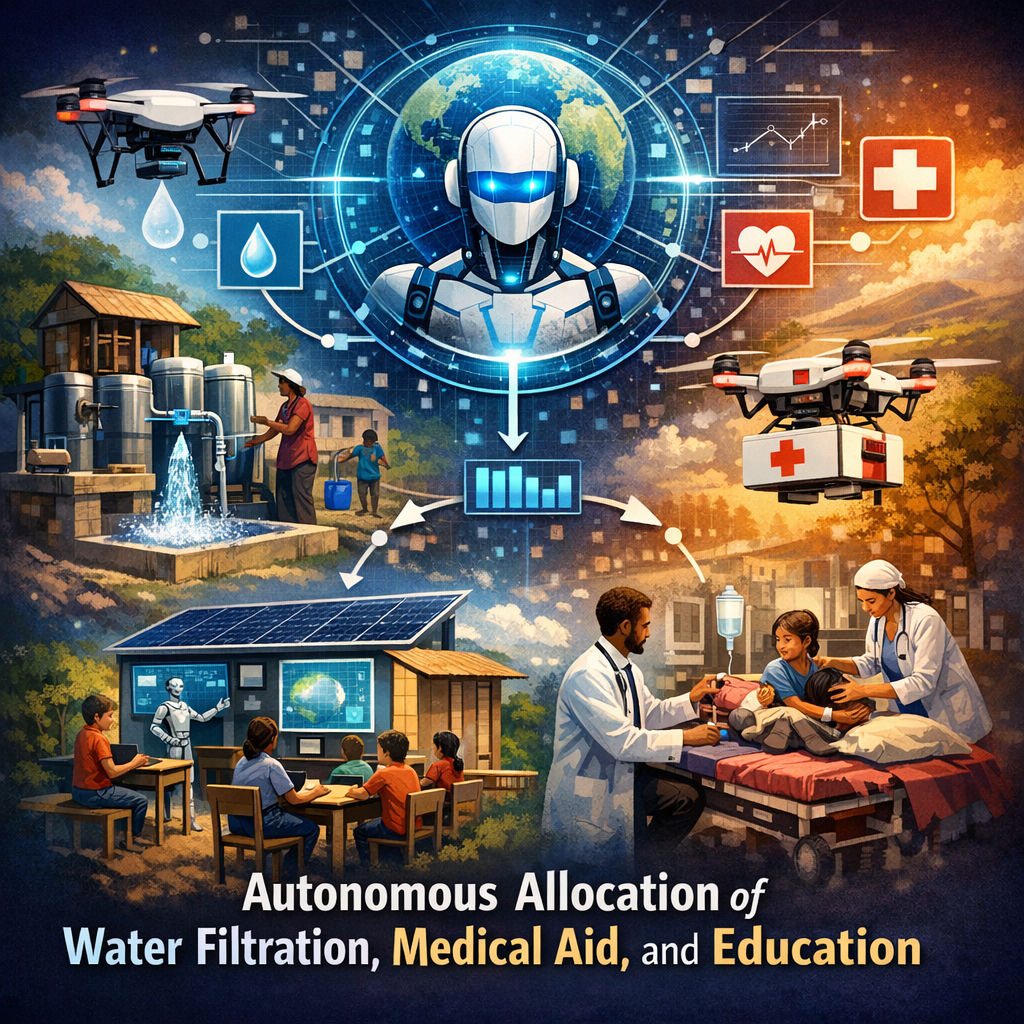
Autonomous Allocation of Water Filtration, Medical Aid, and Education
How Water Filtration, Medical Aid, and Education Are Allocated Autonomously
In an increasingly interconnected world, the allocation of critical resources like water filtration, medical aid, and education is paramount to sustainable development. Thanks to technological advancements, these resources are now being allocated autonomously using sophisticated systems. This not just enhances the efficiency but also ensures that resources reach the most needy in a timely manner.
Autonomous Water Filtration Systems
Water scarcity affects more than 40% of the global population, a figure that is expected to rise. Autonomous water filtration systems have become a groundbreaking solution to address this challenge. These systems operate using smart technology to:
- Monitor water quality in real-time, using IoT sensors.
- Adjust filtration settings based on the detected contaminants to optimize the purification process.
- Distribute clean water based on the consumption patterns and needs of a community.
Such systems can drastically reduce the wastage of water and ensure that clean, potable water is accessible even in remote areas.
Medical Aid: Smart Dispatch and Delivery
The delivery of medical aid is critical, especially in emergency situations. Autonomous systems are now used to:
- Prioritize delivery based on the urgency and critical nature of medical conditions.
- Smart routing of medical supplies using drones and autonomous vehicles to navigate through challenging terrains.
- Remote health monitoring, which allows healthcare professionals to provide real-time guidance and adjust treatment plans without being physically present.
This not only speeds up the response times but also improves the coverage of medical services in underserved areas.
Education Through Automated Platforms
Education is the backbone of societal development, and autonomous allocation plays a crucial role here as well. Automated educational platforms are helping to:
- Personalize learning experiences based on the individual’s performance and learning pace.
- Distribute educational resources, ensuring that students in remote or underserved areas have access to quality materials.
- Facilitate interactive learning with AI tutors and virtual reality experiences, making learning more engaging.
These platforms help bridge the education gap across various demographics and geographic locations.
Challenges and Considerations
While the autonomous allocation of resources holds great promise, there are several challenges and ethical considerations:
- Data Privacy: As these systems rely heavily on data, ensuring the privacy and security of this data is crucial.
- Accessibility: There is a need to ensure these technologies are accessible to all, preventing a divide between those who can and cannot access these advanced systems.
- Dependency: Over-reliance on technology could be risky if the systems fail. Ensuring robust backup systems and manual checks is essential.
The Future of Autonomous Allocation
Looking forward, the scope of autonomous systems in allocating critical resources like water, medical aid, and education holds immense potential. By continuously improving these technologies and addressing the associated challenges, we can ensure a more equitable and efficient distribution of essential services worldwide. This will not only improve quality of life but also promote sustainable growth and development across the globe.