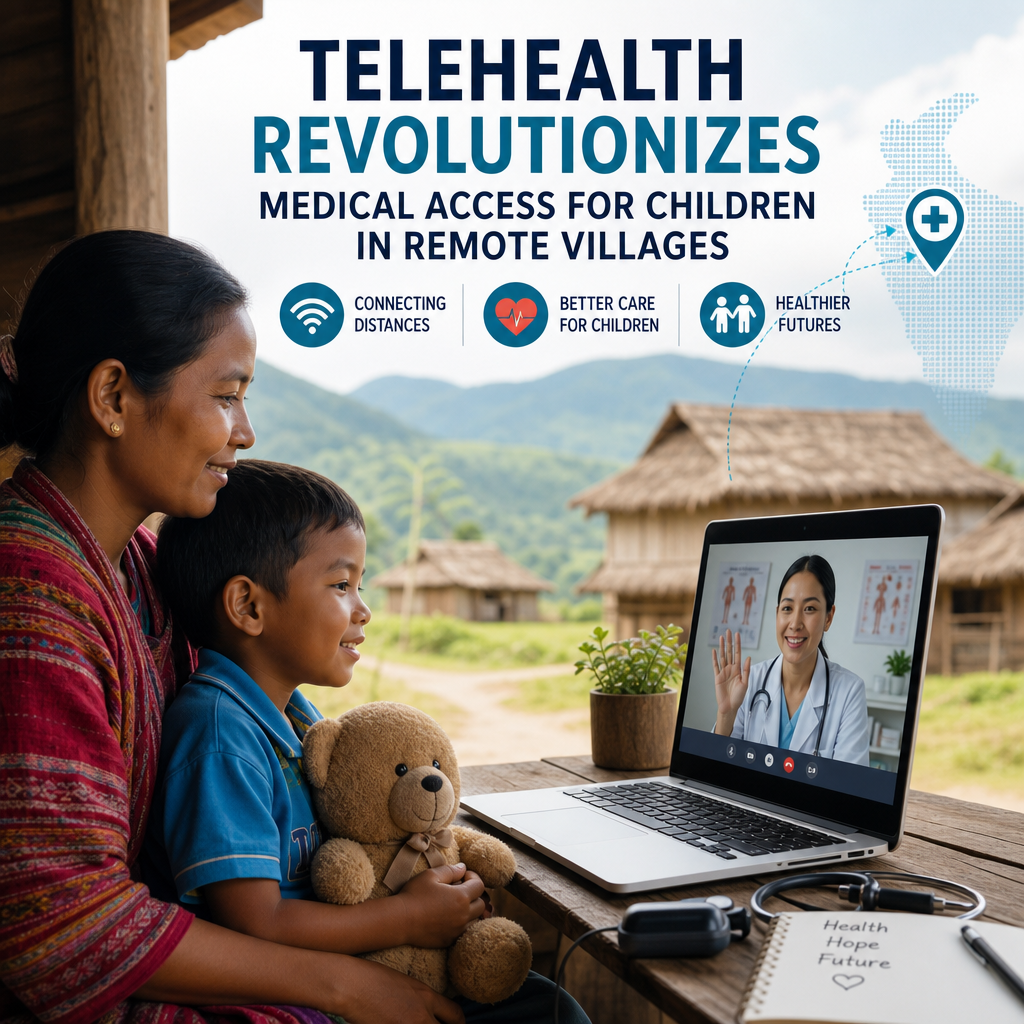
Telehealth Revolutionizes Medical Access for Children in Remote Villages
How Telehealth Is Revolutionizing Medical Access for Children in Remote Villages
For families living in remote villages, getting a child to a doctor can be a major challenge. Long travel times, poor roads, high transport costs, and a shortage of local healthcare workers often mean that minor illnesses become serious before they are treated. In recent years, telehealth has started to change that reality.
By connecting children and caregivers with doctors through phones, tablets, and digital platforms, telehealth is expanding medical access for children in remote villages in ways that once seemed impossible. It is not replacing hospitals or clinics, but it is making healthcare faster, more reachable, and more responsive.
Why Access Has Been a Problem for So Long
In many rural communities, the nearest clinic may be hours away. Some villages have no pediatric specialist at all. Others may have only one nurse or community health worker serving a very large population.
This creates several barriers:
- Delayed treatment for common illnesses
- Missed vaccinations and checkups
- Poor management of chronic conditions
- Higher risk of complications from infections or injuries
- Families avoiding care because of travel cost
For children, these delays can affect growth, learning, and long-term health. A fever, rash, breathing problem, or stomach illness can quickly become dangerous when help is far away.
How Telehealth Works in Rural Communities
Telehealth uses digital communication tools to bring healthcare services to patients remotely. In remote villages, this may happen through:
- Video consultations with doctors or nurses
- Phone calls for triage and follow-up care
- Messaging apps for symptom updates and test results
- Remote monitoring devices for conditions like asthma or diabetes
- Virtual training for local health workers
In many cases, families visit a nearby community health post, where a nurse or health worker helps them connect with a clinician in a city or regional hospital. This blended model is especially useful where internet access is limited but not absent.
Faster Care for Common Childhood Illnesses
One of the biggest benefits of telehealth is speed. Parents no longer need to wait days or weeks for a visit that could begin with a quick online consultation.
Telehealth can help with:
Early diagnosis
A doctor can assess symptoms, ask questions, and decide whether a child needs medicine, testing, or urgent transfer.
Follow-up care
After treatment, families can check in without another long trip. This is especially helpful for infections, skin conditions, allergies, and recovery from surgery.
Chronic disease management
Children with asthma, epilepsy, malnutrition, or diabetes often need regular monitoring. Telehealth makes it easier to track progress and adjust treatment plans.
Supporting Parents and Local Health Workers
Telehealth does more than connect children to doctors. It also gives parents guidance and confidence. When a child has a cough at night or a sudden fever, caregivers often worry about whether the situation is serious. A virtual consultation can reduce panic and help families make informed decisions.
Local health workers also benefit. They can use telehealth to:
- Consult with specialists
- Receive training
- Share images or test results
- Learn how to manage cases safely
This support strengthens the entire village healthcare system. Instead of replacing local workers, telehealth empowers them.
Reducing the Burden of Travel
Travel is often one of the biggest obstacles to care. Families may need to miss work, arrange child care for other siblings, or spend money they do not have just to reach a clinic.
Telehealth reduces this burden in several ways:
- Fewer long-distance trips for routine care
- Lower transport and accommodation costs
- Less time away from school and work
- Faster access in emergencies
For children, this means fewer interruptions to education and daily life. For families, it means healthcare becomes more practical and less overwhelming.
Challenges That Still Need Attention
Telehealth is promising, but it is not perfect. Remote villages may still face problems such as:
- Weak internet or mobile coverage
- Limited access to smartphones or electricity
- Language barriers
- Privacy concerns
- Need for physical examinations or lab tests
These issues mean telehealth works best as part of a broader healthcare strategy. It should complement local clinics, mobile health units, vaccination campaigns, and improved infrastructure.
A Better Future for Rural Children
Telehealth is revolutionizing medical access for children in remote villages by bringing care closer, faster, and more affordably than ever before. It helps identify illness earlier, supports parents, strengthens local health workers, and reduces the need for exhausting travel.
As digital tools improve and more communities gain connectivity, telehealth could become a vital part of rural child healthcare. For children growing up far from hospitals, that can mean one powerful thing: a better chance at a healthy life.