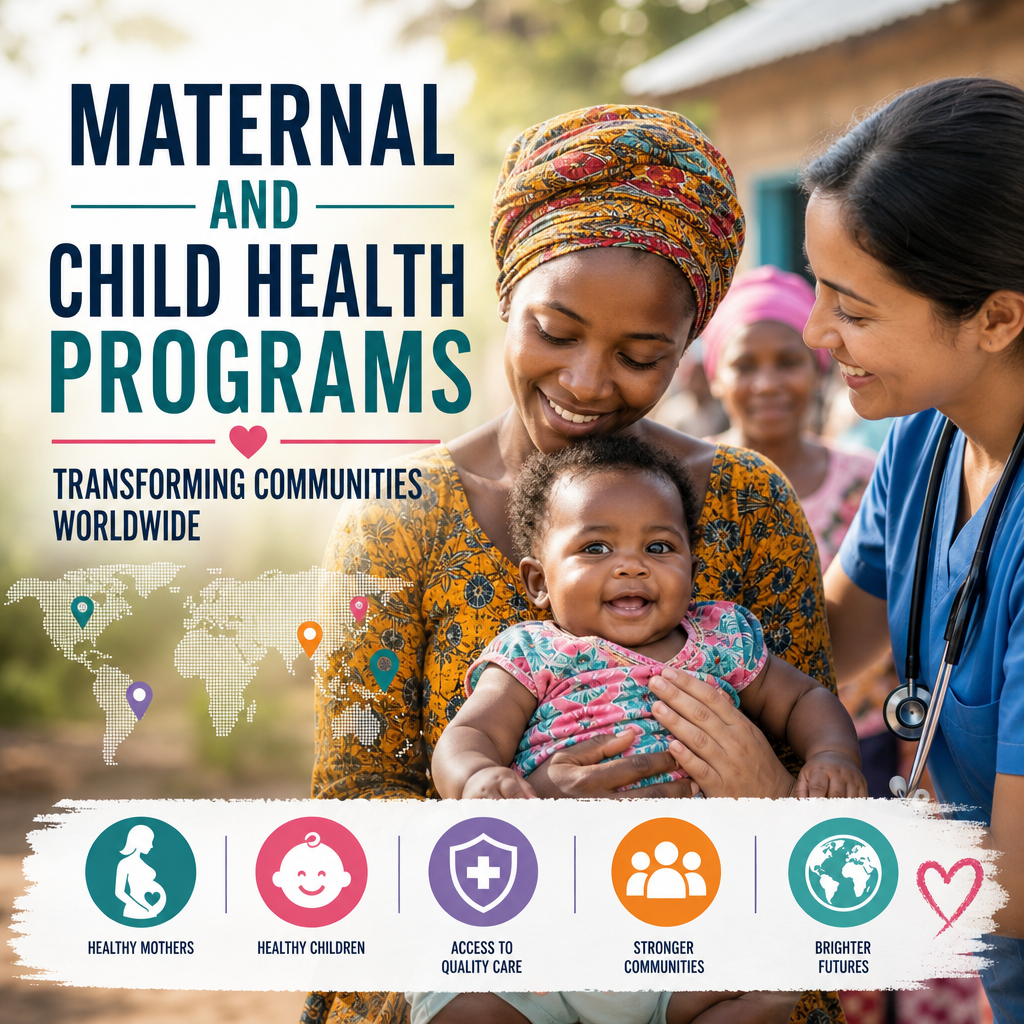
Maternal and Child Health Programs Transforming Communities Worldwide
Maternal & Child Health: The Lifesaving Programs Changing Communities Worldwide
Maternal and child health is one of the clearest measures of a community’s well-being. When pregnant people have access to prenatal care, safe deliveries, nutrition, and postpartum support, families are healthier and communities grow stronger. When children receive early care, vaccines, and proper nutrition, they are more likely to survive, thrive, and contribute to a better future.
Across the world, maternal & child health programs are changing that reality. These lifesaving efforts are reducing preventable deaths, improving development outcomes, and helping families build healthier lives.
Why Maternal and Child Health Matters
Every year, millions of women and children face risks that could be prevented with basic healthcare services. Many deaths are linked to causes that are well understood and treatable, such as:
- Complications during pregnancy or childbirth
- Infections in newborns
- Malnutrition
- Limited access to vaccines
- Lack of skilled birth attendants
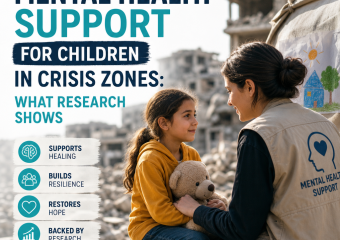
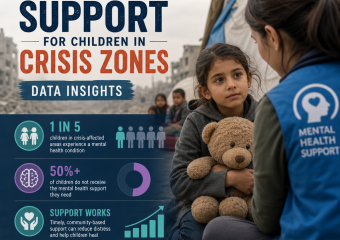
The challenge is not only medical. It is also social and economic. Families in low-resource settings may live far from clinics, lack transportation, or be unable to afford care. In other places, conflict, displacement, and climate-related disasters make healthcare even harder to reach.
That is why maternal and child health programs are so important. They bring care closer to the people who need it most.
Programs That Save Lives
The most effective initiatives focus on prevention, education, and early treatment. They support mothers before, during, and after pregnancy while also protecting infants and young children through early childhood services.
Prenatal and Postnatal Care
Regular checkups during pregnancy can identify complications early. Healthcare workers can monitor blood pressure, screen for anemia, provide supplements, and educate families about warning signs.
After birth, postnatal care helps mothers recover and ensures babies are feeding well, gaining weight, and protected from infection. These visits are essential in the first days and weeks of life, when risk is highest.
Skilled Birth Attendance and Safe Deliveries
Having a trained professional present during childbirth can make the difference between life and death. Skilled birth attendants know how to manage emergencies, support labor, and refer patients when more advanced care is needed.
In many communities, programs are training midwives, improving maternity wards, and building referral systems so women can get help quickly when complications arise.
Immunization Campaigns
Vaccines are among the most powerful tools in public health. Childhood immunization programs protect against diseases such as measles, polio, pneumonia, and rotavirus. These illnesses can be deadly, especially in young children with weakened immune systems.
Community-based vaccination drives help reach families who might otherwise miss routine care. Mobile clinics, school campaigns, and outreach workers all play a role in closing the gap.
Nutrition and Breastfeeding Support
Good nutrition is vital for both mothers and children. Programs that provide iron, folic acid, vitamin A, and fortified foods can reduce health risks and improve development.
Breastfeeding support is especially important. It gives newborns essential nutrients and antibodies while helping mothers bond with their babies. Educating families about breastfeeding can improve infant survival rates, particularly in places where clean water and formula are not always available.
Community-Led Solutions Make the Difference
The most successful maternal & child health programs are often rooted in the community. Local health workers, volunteers, and trusted leaders help connect families with services in a culturally appropriate way.
These community-led efforts may include:
- Home visits for pregnant women and new parents
- Health education sessions in villages or neighborhoods
- Mobile clinics in hard-to-reach areas
- Training for local midwives and birth attendants
- Transport support for emergency referrals
When communities are involved, families are more likely to trust the system and seek care early. That trust can save lives.
Technology Is Expanding Access
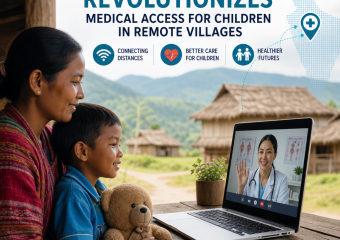
New tools are making it easier to deliver care in remote and underserved areas. Telehealth, digital health records, and mobile health apps allow providers to monitor patients and share critical information faster.
Simple text-message reminders can encourage prenatal visits or vaccine appointments. Solar-powered devices and portable diagnostic tools help frontline workers provide care where electricity and equipment are limited.
Technology is not a replacement for strong healthcare systems, but it can help extend their reach.
The Bigger Impact on Communities
Healthy mothers and children create ripple effects that last for generations. Children who survive infancy and receive proper nutrition are more likely to do well in school. Mothers who stay healthy are better able to care for their families and contribute to their communities.
Over time, improved maternal and child health can lead to:
- Lower healthcare costs
- Stronger local economies
- Better educational outcomes
- Reduced inequality
- Greater community resilience
In this way, investing in health is also an investment in development.
A Shared Global Responsibility
There is still much work to do, but progress is possible. Governments, nonprofits, healthcare workers, and local communities all have a role to play. Funding, education, infrastructure, and policy support can help scale effective programs and bring lifesaving care to more families.
The message is simple: when mothers and children are protected, communities become stronger. Maternal and child health is not just a healthcare issue. It is a human issue, a community issue, and a global priority.