

How Save World Children Created the First Agentic Humanitarian Ecosystem
title: “How Save World Children Built the World’s First Agentic Humanitarian Ecosystem”
date: 2023-12-10
author: Expert Content Writer
Introduction
In an era where humanitarian needs outpace traditional response mechanisms, innovative solutions are paramount. Enter Save World Children, a pioneering non-profit organization that recently launched the world’s first agentic humanitarian ecosystem. This initiative represents a groundbreaking approach to global crises, using technology to empower communities and foster a sustainable environment of self-help and mutual support.
Understanding the Agentic Humanitarian Ecosystem
What is an Agentic Humanitarian Ecosystem?
An agentic humanitarian ecosystem is a framework where affected communities actively participate and have a significant say in the management, development, and implementation of aid programs. This model contrasts sharply with traditional top-down humanitarian efforts, offering a bottom-up approach that centers on the agency of individuals and communities.
Core Components
- Local Leadership Empowerment: Training local leaders to manage resources efficiently.
- Technological Integration: Using technology to improve communication, resource allocation, and transparency.
- Sustainable Practices: Encouraging environmentally friendly solutions and long-term self-sufficiency.
The Inspiration Behind the Initiative
Faced with increasing challenges in global humanitarian efforts, Save World Children recognized the potential in harnessing technology to empower those in need. Their ecosystem approach was inspired by the resilience and resourcefulness observed in communities during disasters and crises. The goal was clear: to create a system that not only delivers aid but also builds capacity for self-governance and resilience.
Implementing the Vision
Strategic Partnerships
Save World Children forged partnerships with tech companies, local governments, and other NGOs to craft a resilient and responsive ecosystem. These alliances have been crucial in providing the necessary tools and knowledge bases to sustain the initiative.
Technology at the Heart
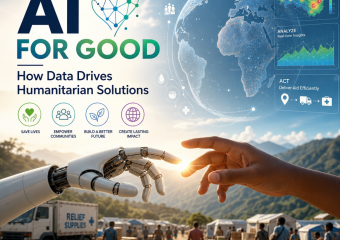
Central to this ecosystem is an advanced platform that integrates data analytics, artificial intelligence, and mobile technology. This platform ensures:
- Real-time Data Analysis: Quick adaptation to evolving needs.
- Community Interaction: A direct line for feedback and communication between aid workers and locals.
- Resource Tracking: Transparent tracking of resources to ensure they are used effectively.
Focus on Sustainability
The ecosystem is designed not just for immediate relief but for long-term sustainability. Initiatives include:
- Educational Programs: Training sessions on resource management and sustainability.
- Renewable Energy Projects: Implementing solar and wind energy solutions in communities.
- Agricultural Development: Supporting sustainable agriculture practices to ensure food security.
Impact and Future Directions
Achievements So Far
Since its inception, the ecosystem has successfully empowered several communities, turning passive aid recipients into active participants in their recovery and development. These communities have reported:
- Reduced dependency on external aid.
- Improved local leadership and decision-making capabilities.
- Increased resilience against future crises.
Looking Ahead
With the proven success of the model, Save World Children plans to expand this ecosystem to more regions. The focus will be on refining technological tools and increasing community engagement to build an even more robust system.
Conclusion
Save World Children’s creation of the world’s first agentic humanitarian ecosystem marks a significant shift in how we perceive and implement aid. This shift from a passive to an active engagement model in humanitarian efforts not only enhances the effectiveness of aid but also dignifies and empowers those at the heart of crises. As we move forward, the potential for scalability and adaptability of this ecosystem offers a hopeful outlook for a more responsive and sustainable humanitarian landscape.
Through innovative thinking and technological integration, Save World Children is setting a precedent for future humanitarian efforts worldwide. As this model continues to evolve, it promises to reshape how aid is perceived, implemented, and experienced across the globe.