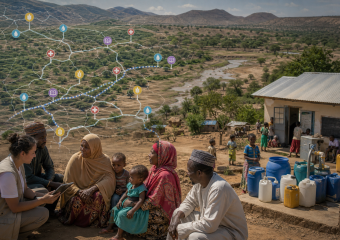


Exploring the Future of Global Healthcare: Impact on Children
The Future of Global Healthcare: Save World Children’s Agentic Clinics and Mobile Aid Systems
In the evolving world of healthcare, the focus is increasingly on accessibility, agility, and sustainability. Innovative solutions such as Save World Children’s Agentic Clinics and mobile aid systems are at the forefront of transforming global health services, particularly for underserved populations. These initiatives are not only pioneering new approaches to medical care but are also shaping the future of public health.
Save World Children’s Agentic Clinics: Pioneering Change
Localized Healthcare Solutions
Save World Children’s Agentic Clinics are unique because they adapt to the specific health needs of the communities they serve. By focusing on local diseases and health challenges, these clinics provide targeted treatments and preventive care, which are crucial for effective healthcare delivery. This bespoke approach ensures that essential resources are not wasted on irrelevant services, thereby increasing the efficiency of healthcare delivery.
Empowerment Through Education
One of the core principles of these clinics is to empower communities through health education. They provide training for local healthcare workers and educational programs for the community on preventive measures and basic health management. This strategy not only helps in immediate care but also builds a foundation for sustained health improvements.
Innovative Use of Technology
Technology plays a significant role in the operation of these clinics. From telemedicine services that connect patients to specialists around the world to data analytics that help predict health trends and outbreaks, technology is integral to enhancing service delivery and patient care.
Mobile Aid Systems: Healthcare on the Move
Reach and Accessibility
Mobile aid systems are revolutionizing the way healthcare is delivered by bringing medical services directly to remote and inaccessible areas. These mobile units are equipped to handle a range of medical issues, from routine check-ups to emergency services, making healthcare accessible to everyone, everywhere.
Rapid Response Capability
In the event of a crisis, be it natural disasters or epidemics, mobile aid systems can be deployed quickly to provide critical medical assistance. Their agility and flexibility save lives by reducing the time it takes to deliver medical aid.
Sustainability and Impact
Mobile aid units are designed with sustainability in mind. They often use renewable energy sources such as solar power and incorporate green technologies to minimize their environmental impact. This sustainable approach not only ensures that these units can operate in various environments but also sets a standard for future healthcare infrastructure.
The Impact on Global Health
The integration of Agentic Clinics and mobile aid systems has shown significant potential in improving health outcomes in hard-to-reach populations. They not only address immediate healthcare needs but also pave the way for a more resilient global health infrastructure.
Challenges and Opportunities
Despite their benefits, these innovative healthcare solutions face challenges such as funding, logistical issues, and resistance from traditional healthcare providers. However, the continued success of these programs highlights the vast potential for scalable and adaptable healthcare models worldwide.
Looking Forward
As we look to the future, the role of organizations like Save World Children in global health continues to expand. Their commitment to innovation, coupled with ongoing support from the global community, promises a healthier future for children and vulnerable populations across the globe.
Conclusion
The dynamic capabilities of Save World Children’s Agentic Clinics and mobile aid systems represent a significant leap forward in our approach to global healthcare. By prioritizing accessibility, education, and sustainability, these initiatives are not just responding to current health crises—they are preventing future ones. As we continue to innovate and adapt, the dream of universal health coverage and a healthier global population becomes increasingly attainable.