
Real-Time AI Intelligence: Revolutionizing Global Humanitarian Aid
How Real-Time AI Intelligence Is Transforming Global Humanitarian Aid
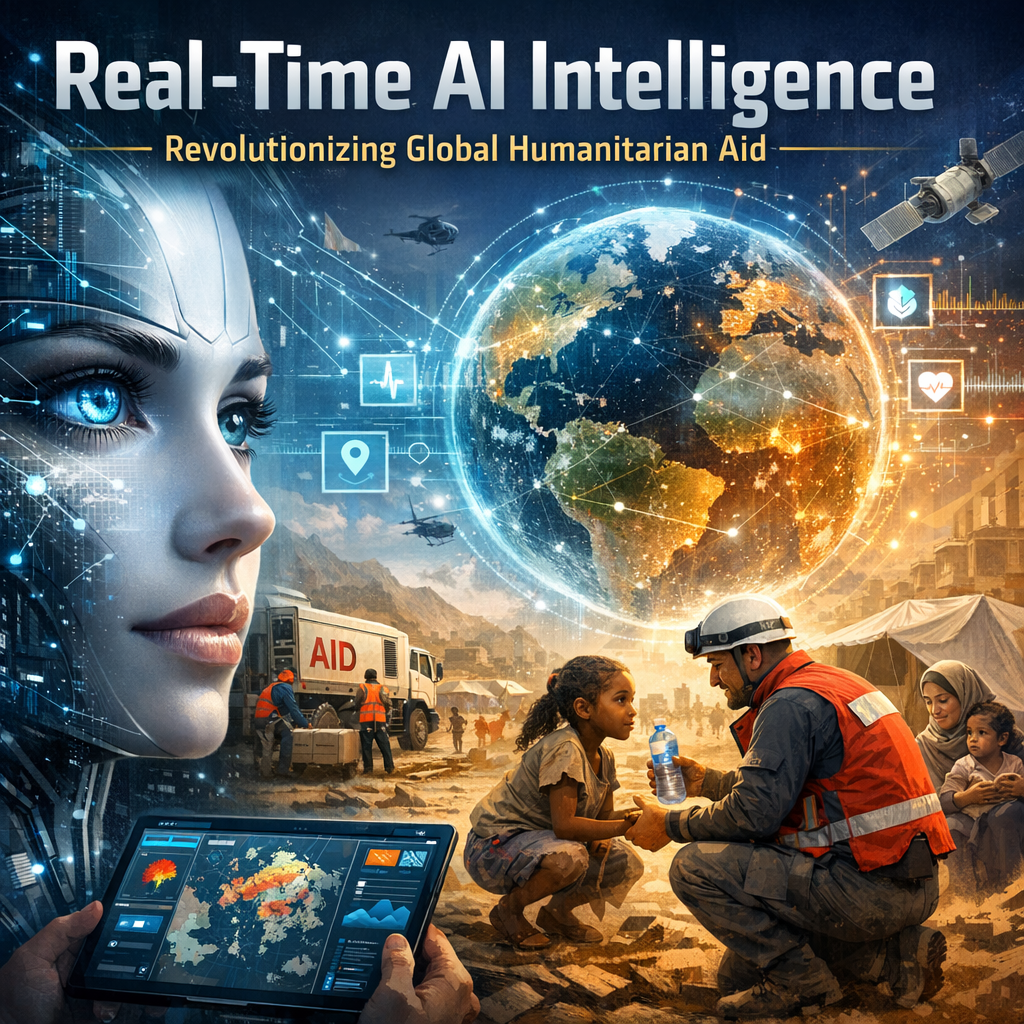
In a world where crises can develop unexpectedly and with devastating consequences, the need for fast, efficient humanitarian aid has become ever more critical. Real-time AI intelligence is at the forefront of transforming how these aids are delivered, making it possible to respond to emergencies faster, more effectively, and on a more personalized scale than ever before.
Real-Time Data for Immediate Response
Faster Needs Assessment
Traditional methods of assessing needs after a crisis often involve physical surveys and manual data collection—a time-consuming process. Real-time AI intelligence revolutionizes this step by utilizing data from various sources like social media, satellite imagery, and IoT sensors. This vast data is analyzed instantaneously to assess damage, identify affected areas, and determine the needs of the population in real-time.
Predictive Analytics for Preemptive Action
AI algorithms are not only reactive but also proactive through predictive analytics. These systems analyze historical data and current conditions to forecast potential crises. For instance, AI can predict the path and impact of hurricanes or the likelihood of famine based on crop yields forecasts and weather conditions. This allows humanitarian organizations to prepare and mobilize resources even before the crisis hits, thus saving more lives.
Enhanced Logistics and Resource Allocation
Optimized Resource Distribution
One of the critical challenges in humanitarian aid is ensuring that limited resources are used efficiently. AI-powered tools optimize resource distribution by calculating the most effective routes for aid delivery, analyzing which areas need more attention, and even allocating resources based on predictive needs assessment.
Drone Technology for Aid Delivery
Drones equipped with AI are increasingly used in remote or hard-to-reach areas. These drones can deliver medical supplies, food, and other essentials, guided by AI to find the best routes and distribute supplies based on real-time needs assessments conducted from above.
Boosting Communication and Coordination
Automated Language Translation
Effective communication with affected populations is crucial. AI-driven automated language translation breaks down language barriers almost instantaneously, allowing aid workers to communicate effectively with the local population no matter the language differences, thus ensuring that aid activities are carried out efficiently.
Enhanced Coordination Among Agencies
AI platforms can serve as centralized hubs that allow different humanitarian agencies to coordinate their efforts. By sharing real-time data, AI systems help avoid duplication of efforts and ensure that resources are not wasted, making the overall humanitarian response more effective.
Challenges and Ethical Considerations
While the benefits of real-time AI in humanitarian aid are undeniable, there are significant challenges and ethical considerations that must be addressed:
- Data Privacy and Security: Ensuring the privacy and security of the data being used to avoid exploitation or misuse.
- Dependence on Technology: Reliance on technology can be problematic in regions with low technological penetration or frequent power outages.
- Bias in AI Models: AI systems are only as good as the data they are trained on, and biased data can lead to unequal distribution of aid.
The Road Ahead
The integration of real-time AI intelligence in global humanitarian efforts represents a significant leap forward in the efficiency and effectiveness of aid delivery. However, balancing technological advancements with ethical considerations and infrastructure challenges is crucial for the sustainable development of AI-driven humanitarian aid.
As we advance, the focus must not only be on developing new technologies but also on creating frameworks and policies that govern the use of these technologies to maximize benefits and minimize any potential harms. The future of global humanitarian aid depends on our ability to embrace and refine the potential of real-time AI intelligence responsibly and equitably.