
Exploring the World’s First “Humanity’s Operating System” for Crisis Management
Inside the World’s First “Humanity’s Operating System” for Crisis Response
In an era where global crises—from pandemics to natural disasters—test our resilience and preparedness, the need for an efficient crisis response system is more crucial than ever. The introduction of what is being touted as “Humanity’s Operating System” marks a groundbreaking shift in how we approach crisis management. This innovative system aims to streamline and enhance the coordination of efforts during emergencies, potentially saving lives and resources.
What is Humanity’s Operating System?
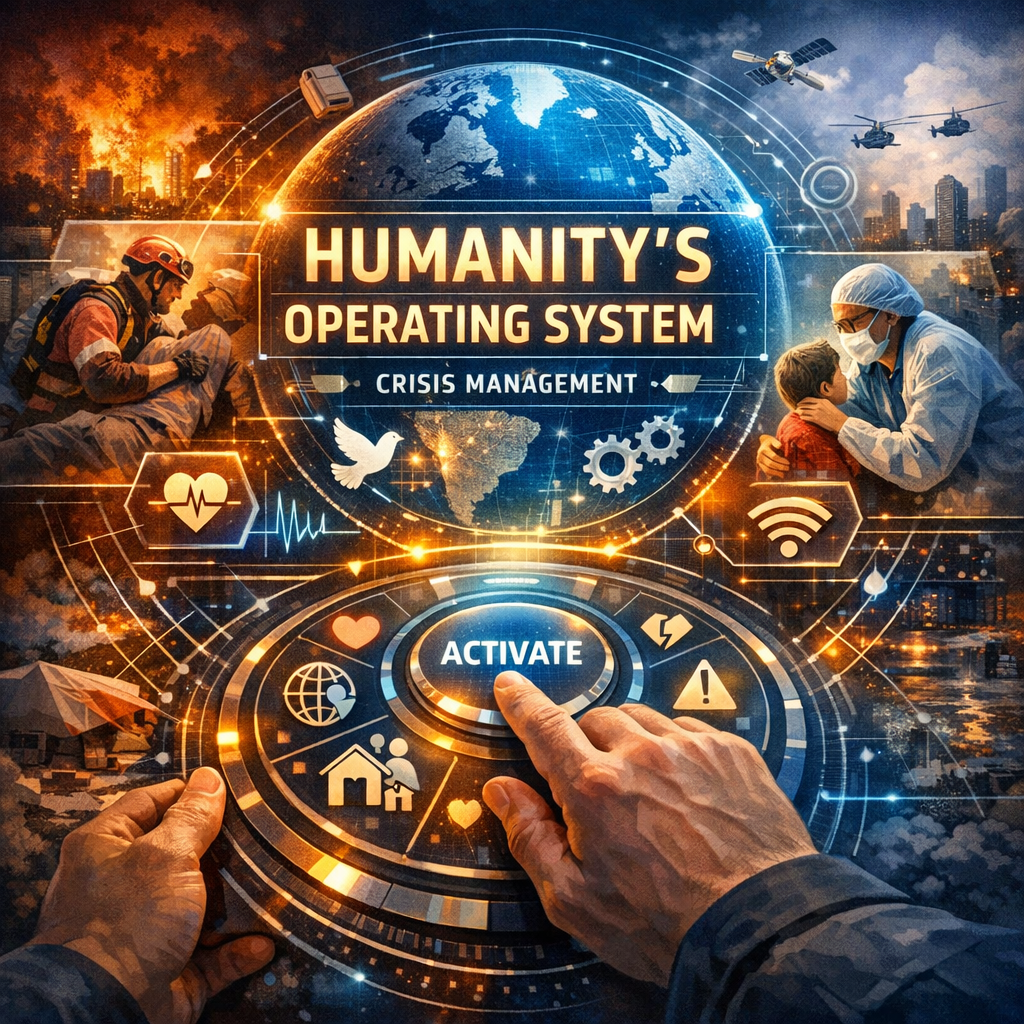
Humanity’s Operating System (HumanOS) is a sophisticated framework designed to integrate various elements of crisis response into a unified platform. It leverages cutting-edge technology including artificial intelligence (AI), real-time data analytics, and blockchain to create a more responsive and adaptable crisis management network.
Key Features
- Real-Time Data Integration: HumanOS consolidates data from multiple sources in real time, ensuring that decision-makers have the most current information at their fingertips.
- AI-Driven Predictive Analytics: The system uses AI to analyze patterns and predict potential crisis spots before they fully develop, allowing preemptive action.
- Decentralized Command: Utilizing blockchain technology, HumanOS ensures a decentralized control structure, which prevents bottlenecks in decision-making and enhances transparency.
Benefits of Using HumanOS
Implementing Humanity’s Operating System can revolutionize crisis management in several ways:
Improved Coordination
By providing a single platform for all communication and data, HumanOS eliminates the often chaotic back-and-forth typically seen in crisis situations. This integration ensures that all teams, whether local or international, are on the same page.
Faster Response Times
With advanced algorithms and real-time data, HumanOS can drastically reduce response times. Immediate access to information like resource availability, affected areas, and logistical challenges means that help can be deployed without unnecessary delays.
Enhanced Preparedness
The predictive capabilities of HumanOS allow agencies to prepare for potential crises in advance, ensuring that when a disaster does strike, the response can be swift and efficient.
Resource Optimization
HumanOS helps outline the most effective use of available resources. This not only minimizes waste but also ensures that aid is directed where it is most needed.
Challenges and Considerations
While the benefits are significant, there are challenges to implementing such a comprehensive system:
- Privacy and Security: Handling vast amounts of data, particularly in crisis situations, raises significant privacy and security concerns that must be addressed.
- Technology Dependence: Heavy reliance on technology could be a double-edged sword, particularly if outages or malfunctions occur.
Future Prospects
The potential of HumanOS to transform crisis management is immense. As technology advances and as more organizations adopt this system, we will likely see a new era in how we handle emergencies and disasters.
Expanding Beyond Crisis Response
Future iterations of HumanOS could expand beyond crisis management, integrating into areas such as healthcare management, environmental monitoring, and more, making it a truly versatile tool in humanity’s technological arsenal.
Final Thoughts
The development of Humanity’s Operating System is a significant milestone in our quest to improve how we respond to crises. By harnessing technology, we can not only respond more effectively to emergencies but also anticipate them, potentially changing the course of how we manage global crises forever. As this system evolves, it promises not only to protect but to predict and prepare, ushering in a new age of crisis management.