
The Future of Humanitarian Aid: AI, Data, Community-Driven Solutions
The Future of Humanitarian Aid: AI, Data, and Community-Driven Solutions
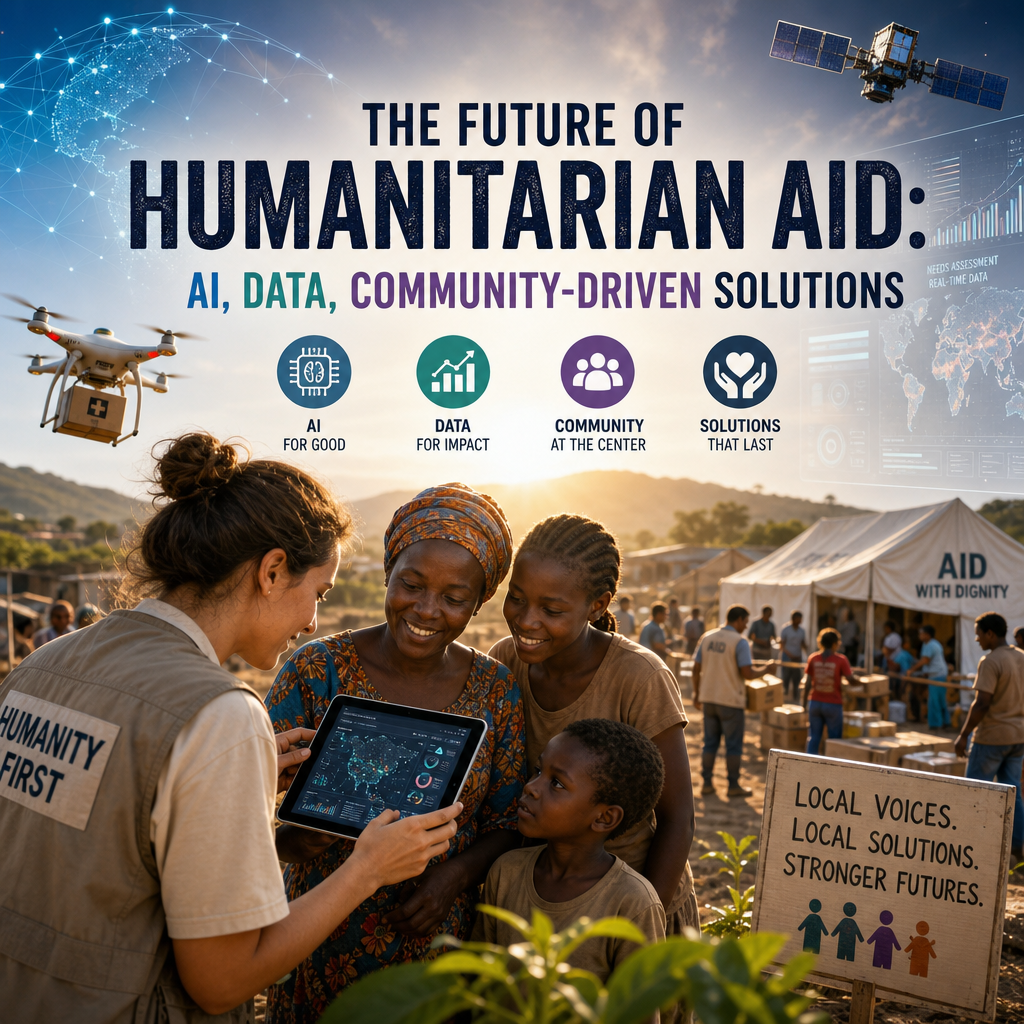
Humanitarian aid is entering a new era. As crises become more frequent, complex, and interconnected, aid organizations are under pressure to respond faster, reach farther, and do more with limited resources. The future of humanitarian aid will not be shaped by technology alone, but by how well technology, data, and local knowledge work together.
AI and advanced analytics are already changing how aid is planned and delivered. At the same time, there is growing recognition that the people most affected by crises must play a central role in designing solutions. The most effective humanitarian systems of the future will combine speed, precision, and community trust.
Why Humanitarian Aid Needs to Evolve
Natural disasters, conflict, displacement, and climate shocks are stretching humanitarian systems to their limits. Traditional response models often rely on slow assessments, fragmented data, and top-down decision-making. By the time aid reaches people, needs may have shifted dramatically.
The future of humanitarian aid depends on three major shifts:
- Faster crisis detection and response
- Better use of real-time data
- Greater involvement from local communities
These shifts are not separate. They reinforce one another. AI can help identify patterns and predict needs, but communities provide the context that data alone cannot capture.
How AI Is Transforming Humanitarian Response
Artificial intelligence is becoming a powerful tool for aid organizations. It can process large amounts of information quickly, identify emerging risks, and support smarter decisions during emergencies.
Predicting Needs Before They Escalate
AI models can analyze weather patterns, migration trends, food prices, disease outbreaks, and social media signals to detect early warning signs. This allows organizations to prepare supplies and personnel before a crisis becomes severe.
For example, AI can help forecast where drought conditions may lead to food insecurity, or where flooding may displace thousands of people. Instead of reacting late, aid groups can act early.
Improving Logistics and Resource Allocation
Delivering aid is often a logistical challenge. Roads may be damaged, access may be restricted, and resources may be limited. AI can optimize supply chains by identifying the fastest routes, estimating demand, and reducing waste.
This matters because every delay can cost lives. A better distribution system means medicine, food, and shelter reach people more efficiently.
Supporting Smarter Communication
AI-powered translation tools and chatbots can help organizations communicate with affected populations in multiple languages. They can answer common questions, provide updates, and make services more accessible.
Still, these tools must be used carefully. Technology should support human responders, not replace them.
The Power of Data in Humanitarian Aid
Data has always been important in aid work, but the future of humanitarian aid will depend on using data more intelligently. The goal is not simply to collect more information. It is to turn information into action.
Real-Time Decision Making
When crises move quickly, outdated reports can lead to poor decisions. Real-time data helps organizations monitor changing conditions and adjust their response.
This can include:
- Satellite imagery for tracking damage
- Mobile surveys for assessing urgent needs
- Sensor data for monitoring water or food shortages
- Public health data for spotting outbreaks
The more current the information, the more relevant the response.
Transparency and Accountability
Data can also improve trust. When organizations share how decisions are made and where resources go, communities and donors can better understand the impact of aid.
Transparent systems help reduce duplication, identify gaps, and ensure aid reaches the people who need it most.
Why Community-Driven Solutions Matter Most
Technology and data are valuable, but humanitarian aid must remain people-centered. Communities are not passive recipients of aid. They are experts in their own needs, priorities, and cultural realities.
Local Knowledge Creates Better Outcomes
Local leaders, volunteers, and residents often know what outsiders miss. They understand which neighborhoods are most vulnerable, which groups are excluded, and which solutions are practical.
Community-driven aid is often more effective because it:
- Builds trust
- Respects local culture
- Responds to real needs
- Strengthens long-term resilience
Participation Builds Resilience
When communities help shape aid programs, they are more likely to sustain them after emergency teams leave. This could mean training local health workers, supporting neighborhood disaster plans, or involving residents in recovery planning.
In this way, humanitarian aid becomes more than emergency relief. It becomes a foundation for future resilience.
The Best Future Is a Shared One
The future of humanitarian aid is not a choice between AI and human compassion. It is a combination of both. AI can improve speed, accuracy, and prediction. Data can improve targeting and accountability. Communities can ensure that aid is relevant, fair, and trusted.
To get there, organizations will need to invest in:
- Ethical AI systems
- Strong data protection
- Local partnerships
- Inclusive decision-making
These priorities will help ensure that innovation serves people rather than replacing them.
Conclusion
The future of humanitarian aid will be defined by collaboration. AI and data can make aid smarter and faster, but community-driven solutions will make it meaningful. The most successful humanitarian efforts will be those that combine technology with empathy, analysis with listening, and global support with local leadership.
As the world faces more complex crises, the path forward is clear: humanitarian aid must become more adaptive, more informed, and more grounded in the communities it aims to serve.