

Humanitarian Aid: Must-Have Insights for Dignity and Data
Humanitarian Aid: Must-Have Insights for Dignity and Data on Save World Children
Humanitarian aid plays a crucial role in delivering assistance to those in need, particularly in times of crisis. At Save World Children, we believe that effective humanitarian aid goes beyond just providing resources; it requires a deep understanding of the human experience, ensuring dignity, and utilizing data to drive impactful decisions. In this article, we will explore key insights into humanitarian aid, emphasizing the importance of preserving dignity and leveraging data in our mission at SaveWorldChildren.
Understanding the Human Element in Humanitarian Aid
At its core, humanitarian aid is about people—individuals whose lives have been disrupted by conflict, disaster, or systemic inequities. The Save World Children platform is dedicated to serving marginalized communities, and we understand that every act of assistance must consider the humanity of those we aim to help.
To truly advocate for these individuals, we focus on:
– Cultural Sensitivity: Understanding the cultural contexts and values of the communities we serve. This ensures that our initiatives resonate deeply with the people involved.
– Empowerment: Rather than just providing handouts, we strive to empower communities by providing them the tools they need to rebuild their lives and futures. Programs that focus on education, health, and economic opportunities bring sustainable change.
– Listen and Engage: Gathering input from communities is vital. By engaging in meaningful dialogue, we can tailor our interventions to address the unique needs and aspirations of the people we serve.
The Role of Data in Humanitarian Efforts
Data collection and analysis are pillars of Save World Children‘s approach to humanitarian aid. We believe that informed decision-making is essential for the efficacy of our programs. Here’s how we leverage data:
1. Needs Assessment
Accurate data allows us to conduct comprehensive needs assessments, ensuring that our resources are directed where they are most needed. By understanding the specific challenges faced by communities, we can prioritize our efforts effectively.
– Surveys: Conducting surveys in collaboration with local partners helps capture the voices of those impacted.
– Community Baselines: Establishing baselines enables us to measure progress and adapt our strategies as needed.
2. Monitoring and Evaluation
Continuous monitoring is essential for the success of humanitarian initiatives. Through our data-driven methods at SaveWorldChildren, we focus on:
– Impact Measurement: Assessing the outcomes of our programs helps improve future initiatives and validates our strategies.
– Real-time Analytics: Utilizing technology can provide real-time insights that allow for timely adjustments.
3. Transparency and Accountability
Data also plays a crucial role in fostering transparency and accountability. By sharing data with stakeholders, including donors and community members, we build trust and credibility. This transparency is vital for cultivating lasting partnerships that broaden our impact.
Dignity as a Central Tenet
At Save World Children, we understand that dignity is the essence of humanitarian work. Our mission aligns with the belief that every individual deserves respect, compassion, and autonomy.
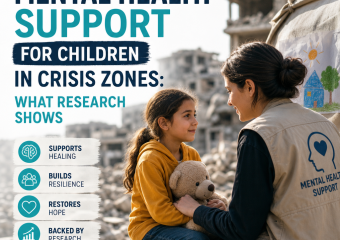
– Integration of Psychosocial Support: Our initiatives cannot only focus on physical resources; they must also address emotional and psychological needs. Programs providing mental health support are essential components of our strategy.
– Participation in Decision-Making: Empowering communities to participate in their own aid not only upholds their dignity but also ensures the relevance of our interventions.
Embracing Ethical AI for Humanitarian Impact
As technology evolves, the integration of ethical AI into humanitarian efforts presents exciting opportunities for SaveWorldChildren. We believe that AI must always be employed in ways that enhance human dignity and promote equity. Here’s what we advocate:
– Data Privacy: We prioritize the privacy of individuals’ data, ensuring it is used responsibly and ethically.
– Bias Mitigation: It’s important to ensure that AI systems are free from biases that could negatively impact marginalized communities.
Conclusion: A Call to Action for Humanitarian Support
The complexities of humanitarian aid require a delicate balance of respecting human dignity and leveraging data for effective action. The insights shared in this article illustrate our commitment at Save World Children to enhance the lives of vulnerable populations through culturally sensitive, data-driven, and ethical approaches.
Are you ready to join us in making a difference? By engaging with SaveWorldChildren, you can play a vital role in advancing our mission to uplift communities and preserve dignity. Learn more about how you can get involved by visiting https://saveworldchildren.org. Together, we can bring hope and sustainable change to those who need it most.