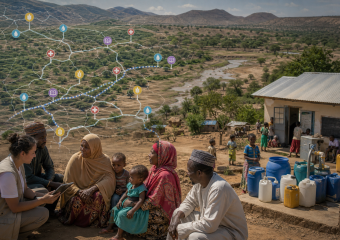


Built to Heal: Exclusive Platform Turns Donors Into Heroes
Built to Heal: The Groundbreaking Platform That Turns Donors Into First Responders
Built to Heal is redefining the landscape of disaster response. This innovative platform facilitates a direct connection between donors and those in crisis, transforming everyday individuals into first responders. By leveraging technology and community engagement, Built to Heal tackles pressing humanitarian challenges in a way that’s both effective and impactful.
Understanding the Need for Rapid Response
In crisis situations—from natural disasters to public health emergencies—traditional response methods often fall short. Aid organizations usually rely on slow bureaucratic processes or intermediaries to get support to those affected. Unfortunately, these delays can lead to unnecessary suffering. Built to Heal seeks to bridge this gap by enabling rapid, direct assistance from donors to victims.
This approach is rooted in the belief that individuals are often willing to help but may not know how or where to direct their resources. Donors are not just financial supporters anymore; they can be the first line of aid in emergencies. By providing a platform that facilitates these connections, Built to Heal is fundamentally shifting the paradigm of humanitarian aid.
How Built to Heal Works
At its core, Built to Heal operates on a user-friendly platform designed for ease of access. The process starts when a disaster occurs, prompting an immediate response from the system. Here’s how it works:
-
Emergency Alerts: The platform utilizes real-time alerts to inform users about emerging crises. As a disaster unfolds, the system identifies specific needs, such as food, shelter, or medical care.
-
Targeted Donations: Donors can review urgent needs and make targeted donations based on what they feel most compelled to support. This not only ensures that resources are efficiently allocated but also empowers donors by allowing them to choose where their contributions go.
-
Impact Tracking: One of the standout features of Built to Heal is its tracking capability. Donors can follow the progress of their contributions, seeing how their help directly impacts those in need. This transparency builds trust and encourages ongoing participation.
-
Community Engagement: The platform fosters a sense of community by encouraging users to share their experiences and contributions with others. Engaging stories and testimonials inspire more people to get involved and act.
The Advantages of a Donor-First Approach
The paradigm shift championed by Built to Heal offers several benefits that can significantly enhance disaster response efforts:
Enhanced Efficiency
By cutting out bureaucratic layers, the platform allows for immediate response to those in need. This direct line of aid means that resources can be deployed quickly, maximizing their effectiveness.
Empowerment of Individuals
Turning donors into first responders empowers individuals who may feel helpless in the face of large-scale crises. It provides them with an avenue to contribute in a meaningful way, creating a shared sense of responsibility and collective action.
Building a Culture of Giving
As more individuals participate, a culture of giving emerges. This platform not only addresses immediate needs but also fosters long-term engagement in social issues. By making donations more visible and impactful, Built to Heal helps cultivate a more socially conscious community.
The Future of Humanitarian Aid
As Built to Heal continues to gain traction, its potential to revolutionize humanitarian aid becomes increasingly evident. By harnessing technology and community involvement, the platform is setting a new standard for how we approach crisis response.
Moreover, this model has the potential to inspire other sectors to rethink their strategies for engagement. Whether in health, education, or environmental issues, the principles behind Built to Heal can be adapted to create effective, community-driven solutions.
Challenge to Charity Norms
One significant challenge ahead is the entrenched norms around traditional charity and aid. Many organizations may be resistant to adapting their models in favor of a more decentralized approach. However, the results speak for themselves. Built to Heal not only addresses real-time needs but also harnesses the power of grassroots movements, demonstrating that ordinary people can lead the charge in disaster response.
Concluding Thoughts
Built to Heal is more than just a platform; it’s a movement. As it continues to grow, it’s paving the way for a more responsive and compassionate humanitarian landscape. By turning donors into first responders, the initiative not only helps individuals in immediate need but also empowers communities to respond to crises in innovative and meaningful ways.
In a world where empathy and action can help reshape futures, Built to Heal invites everyone to play a role. If you’re looking for a way to make a genuine difference, becoming part of this transformative platform could be your starting point. Join the movement and be part of the solution, one donation at a time.