
How Save the World Children Protects User Data: Privacy, Digital Security, and Safer Online Experiences
Meta Description:
Discover how Save the World Children protects user data through privacy practices, digital security, and responsible data protection to create safer online experiences for children and communities.
As children and families increasingly rely on digital platforms to access information, education, support, and community services, protecting personal information has become an essential part of online safety. Save the World Children recognizes that responsible data protection is closely connected to building trust and creating safer digital experiences for children, families, staff, volunteers, and communities.
Why Data Privacy Matters for Children
Children can be particularly vulnerable to privacy and security risks online. Personal information, photographs, contact details, location information, and other sensitive data should be handled carefully to reduce unnecessary exposure. Strong privacy practices help organizations maintain trust while supporting children and communities in an increasingly connected world.
For organizations working with children, data privacy is not simply a technical issue. It is also an important part of child protection. Responsible information management can help ensure that personal data is collected, used, stored, and shared only for legitimate and appropriate purposes.
Building a Safer Digital Environment
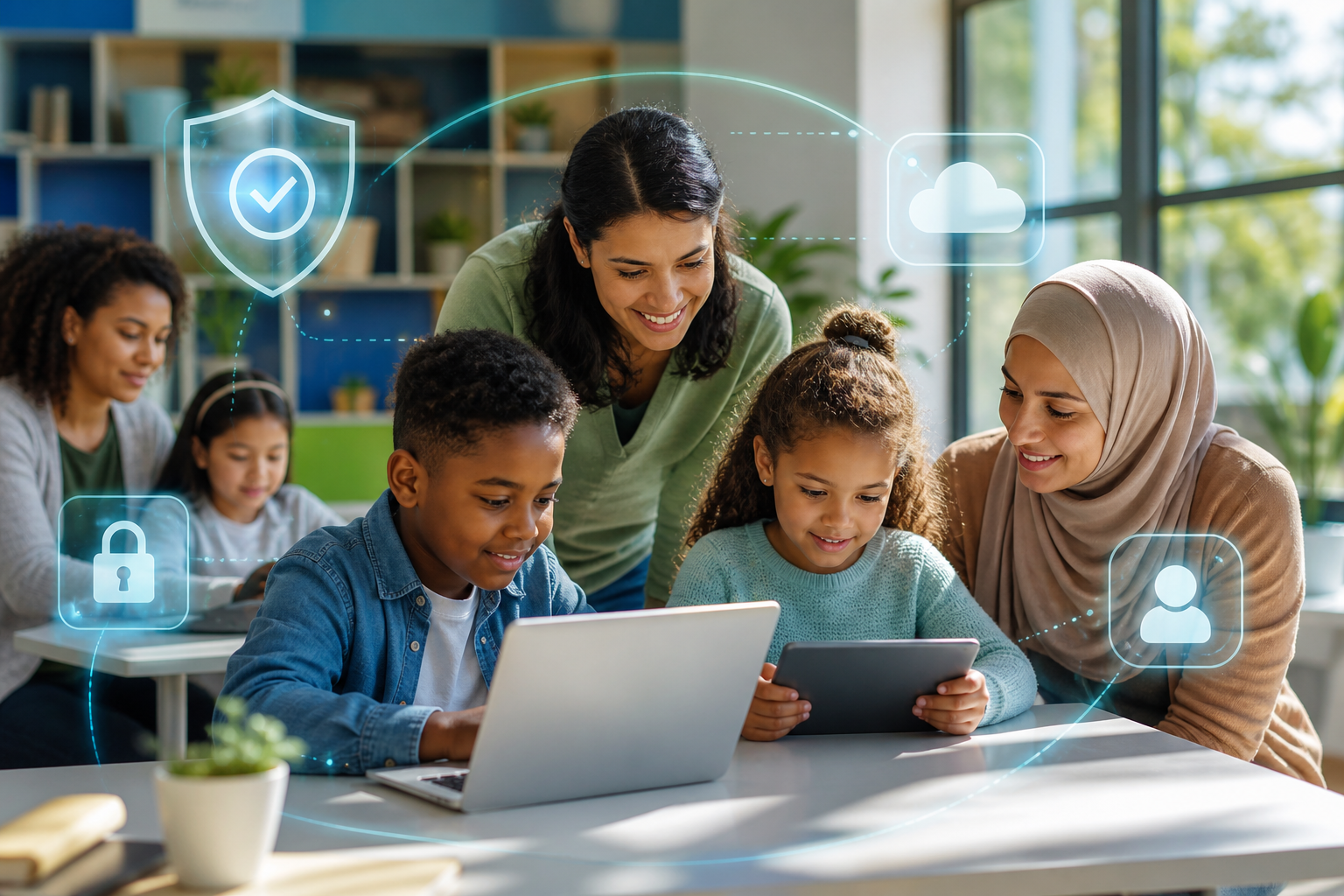
Digital security plays an important role in protecting user information from unauthorized access, accidental disclosure, and other online risks. Effective security practices can include access controls, secure systems, responsible information handling, and regular attention to emerging cybersecurity threats.
Save the World Children’s approach to digital safety can also support a broader culture of responsible technology use. By encouraging awareness of privacy and online security, organizations can help users better understand how their information should be protected.
Responsible Use of Personal Information
Data protection begins with responsible information practices. Organizations should consider what information is necessary, why it is needed, who should have access to it, and how long it should be retained. Clear privacy practices can help users understand how their information is handled and what steps are taken to protect it.
For child-focused organizations, these principles are especially important because protecting personal information can contribute to a safer environment for young people and their families.
Privacy and Trust in the Digital Age
Trust is essential when people interact with organizations online. Parents, caregivers, children, donors, volunteers, and community members need confidence that their information is being treated responsibly.
As digital technology continues to evolve, privacy and cybersecurity will remain important components of child protection. By maintaining responsible data practices and promoting digital awareness, Save the World Children can contribute to safer online experiences while strengthening trust with the communities it serves.
Protecting user data is more than protecting information—it is part of creating a responsible, secure, and child-centered digital environment.