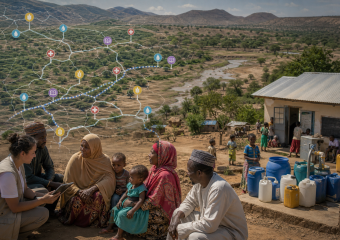


Save World Children: Stunning Ethical AI for a Better Tomorrow
Save World Children: Where Ethical AI Meets Urgent Humanity
Save World Children is an initiative that embodies the intersection of technology and social responsibility. In an era defined by rapid advancements in artificial intelligence (AI), the ethical implications surrounding its use have never been more pressing. This convergence of technology with a mission to uplift vulnerable populations, especially children, aims to tackle some of the most urgent humanitarian crises facing our world today.
The Need for Ethical AI in Humanitarian Efforts
As the global community grapples with issues such as poverty, education deficits, and health care inequalities, the potential for AI to make significant positive impacts becomes increasingly apparent. Ethical AI refers to AI systems designed with a framework that emphasizes fairness, accountability, and transparency. By utilizing these principles, organizations like Save World Children can leverage technology to provide clear, effective responses to the needs of children in crisis.
The urgency of these efforts cannot be overstated. According to UNICEF, millions of children worldwide are deprived of basic needs such as food, education, and medical care. By integrating AI into humanitarian strategies, organizations can more effectively identify at-risk populations, allocate resources, and deliver aid efficiently.
Applications of AI in Addressing Children’s Needs
- Predictive Analytics for Early Intervention
One of the most powerful applications of AI is in predictive analytics. Through data collection and analysis, AI can help identify patterns that signal potential crises, such as malnutrition or educational gaps. For example, by analyzing data from healthcare providers, schools, and community organizations, AI can forecast which regions are at risk and prompt timely intervention. This proactive approach can save countless lives and improve the quality of life for many children.
- Resource Allocation
Effective resource allocation is crucial in humanitarian aid, and AI can enhance this process. By assessing real-time data on needs, organizations can make informed decisions about where to direct resources, ensuring that help reaches those most in need. For example, during natural disasters, AI can analyze aerial imagery to assess damage and identify areas requiring immediate assistance. This speeds up the delivery of food, shelter, and medical support.
- Improving Access to Education
AI can also play a crucial role in enhancing educational access for children in underserved regions. By utilizing AI-driven platforms, children can access quality educational resources remotely, overcoming geographical barriers. Language processing capabilities can provide educational materials in various languages, catering to diverse communities. This approach can dramatically improve literacy rates and educational outcomes for children in impoverished areas.
- Health Care Innovations
In the realm of health care, AI technologies can be deployed to enhance health systems, ensuring children receive timely medical attention. For example, AI algorithms can analyze medical data to recommend treatments or alert healthcare providers about potential outbreaks of diseases. Telemedicine, powered by AI, can also facilitate access to specialists for children living in remote areas, bridging the gap in healthcare provision.
Ethical Considerations in the Digital Age
While the benefits of integrating AI into humanitarian efforts are considerable, it is essential to address the ethical considerations associated with its use. Privacy concerns, data security, and the potential for bias in AI algorithms must be appropriately managed to ensure that the rights and dignity of children are upheld.
Organizations such as Save World Children prioritize ethical frameworks, ensuring that any AI application respects the privacy and autonomy of the individuals affected. This involves not only compliance with data protection regulations but also incorporating community input into the design and deployment of AI systems. Transparency around the data used and decision-making processes is crucial for fostering trust among beneficiaries.
Looking Ahead: A Future of Hope
The blending of ethical AI with humanitarian efforts represents a powerful opportunity to create lasting change in the lives of children worldwide. By harnessing technology responsibly and prioritizing the ethical implications, we can aspire to a future where every child has access to the resources they need to thrive.
As we work together to save world children, we must not forget the importance of collaboration across sectors. Engagement from governments, NGOs, and tech companies is essential in advancing ethical AI initiatives that put the needs of children first. It’s a shared responsibility that can lead us towards a more just and compassionate world.
In conclusion, the synergy between ethical AI and urgent humanitarian needs offers a beacon of hope in addressing the crises that impact our youngest and most vulnerable populations. The future is not just about technology but how we choose to use it in service of humanity.