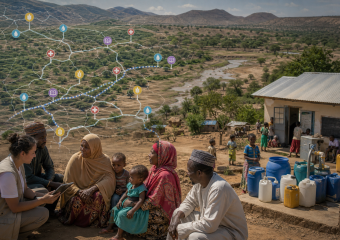


AI Platform Revolutionizes Effortless Poverty Solutions
No Borders, No Bureaucracy: A Revolutionary Approach to Ending Poverty
No borders, no bureaucracy—these guiding principles are at the heart of an innovative AI platform aimed at alleviating poverty on a global scale. This ambitious initiative leverages cutting-edge technology to tackle one of humanity’s most persistent challenges: economic hardship. By focusing on micro-missions that directly empower communities, the platform operates with the agility and responsiveness that traditional bureaucratic systems often lack.
The Concept Behind Micro-Missions
At the core of this groundbreaking initiative is the idea of micro-missions. These are small, targeted projects that address specific needs within communities. Unlike large-scale aid programs that can take years to implement, micro-missions can be deployed quickly and efficiently through the AI platform. The beauty of these micro-missions lies in their specificity; they are designed based on real-time data gathered from the communities they aim to support.
For instance, if a rural village is facing issues with access to clean drinking water, the platform can immediately identify the issue and mobilize resources—be it funding, equipment, or volunteers—to solve it. This is a stark contrast to traditional aid models that often suffer from slow bureaucratic processes, prohibiting timely intervention when it’s needed most.
Harnessing AI for Real-Time Solutions
The use of artificial intelligence is a game-changer in global poverty alleviation efforts. By employing machine learning algorithms, the platform can analyze vast amounts of data to determine the most pressing needs of various communities across the globe. This data-driven approach ensures that resources are allocated efficiently, maximizing the impact of every project.
AI helps to identify patterns and predict which micro-missions are likely to be most effective in different regions, allowing for tailored solutions that respect local cultures and conditions. For example, educational initiatives may be prioritized in regions with high youth populations, while health-related missions could take precedence in areas facing outbreaks of disease.
Eliminating Bureaucratic Barriers
Bureaucracy often ties the hands of organizations aiming to make a difference. Time-consuming applications, multi-layered approvals, and complex reporting requirements can lead to delays that may ultimately cost lives. This is where the platform distinguishes itself; it eliminates unnecessary bureaucracy, allowing communities to access funds and support almost instantly.
By enabling direct communication between funders and local leaders, the platform fosters a sense of ownership and accountability. Villagers become active participants in the solution, rather than passive recipients of aid. This empowerment not only strengthens the community but also instills a sense of pride and responsibility.
A Global Network of Change-Makers
No borders mean that this platform is not confined to any single geographic area. It aspires to create a global network of change-makers who can collaborate, share ideas, and support one another’s micro-missions. This interconnectedness allows lessons learned in one part of the world to be quickly disseminated to others facing similar challenges, multiplying the effectiveness of each initiative.
For example, if a micro-mission in India successfully enhances agricultural output through innovative farming techniques, that knowledge can be rapidly shared with farmers in Africa or Latin America, who may be facing similar agricultural challenges. This cross-pollination of ideas fosters a culture of innovation and solidarity that transcends borders.
The Road Ahead
As the platform gains traction, the challenges of scaling and sustaining these micro-missions remain. Continuous funding, strategic partnerships, and community engagement will be essential for long-term success. Yet, the potential for impact is limitless. With each successful mission, the platform not only alleviates immediate hardships but also builds a foundation for lasting change.
Furthermore, as global awareness of poverty-related issues grows, the opportunity to attract more supporters and resources increases. With the right engagement strategies, this initiative can inspire a movement that redefines how the world addresses poverty—one micro-mission at a time.
Conclusion
In a world often divided by borders and red tape, this AI platform represents a refreshing departure from traditional approaches to poverty. By embracing the principles of no borders and no bureaucracy, it offers an agile, effective, and inclusive way to empower communities. Through the lens of micro-missions, it shapes a future where every person has the opportunity to thrive, demonstrating that even the most daunting challenges can be addressed with innovation and collaboration. As this initiative continues to grow and evolve, it holds the promise of not only ending poverty but also fostering a more equitable global society.