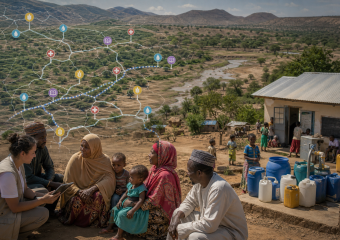


AI Revolution: Stunning Solutions for Mothers and Children
From Crisis to Compassion: The AI Revolution That’s Saving Mothers and Children in Real Time
From crisis to compassion, the AI revolution is reshaping healthcare delivery for mothers and children, making real-time support a possibility in critical situations. Advances in artificial intelligence are helping healthcare professionals navigate obstetric emergencies, monitor maternal health, and enhance pediatric care. This transformative technology is not just changing how we approach healthcare; it is also saving lives and promoting better health outcomes for vulnerable populations.
Understanding the Role of AI in Maternal and Child Health
Artificial intelligence encompasses a wide range of technologies, including machine learning, data analysis, and predictive modeling. These tools have the potential to revolutionize maternal and child health by providing timely and accurate information to healthcare providers. By analyzing data from various sources—such as electronic health records, medical imaging, and wearable devices—AI can identify at-risk patients and ensure they receive the necessary interventions swiftly.
For instance, AI algorithms can predict obstetric complications, such as gestational diabetes or preeclampsia, by assessing countless factors from patient histories. This early identification allows healthcare providers to tailor their care plans and intervene before conditions escalate, thereby improving both maternal and fetal outcomes.
Improving Access to Care Through Telemedicine
Another significant contribution of AI within the realm of maternal and child health is the integration of telemedicine. The COVID-19 pandemic accelerated the adoption of remote healthcare solutions, and AI-driven telemedicine platforms have become indispensable. These technologies allow healthcare professionals to diagnose and monitor patients in real time, reducing the need for in-person visits.
For mothers living in remote or underserved areas, this accessibility can be life-saving. AI-powered chatbots can guide patients through prenatal and postnatal care, answering questions and reminding them about medications or scheduled appointments. This consistent engagement can help address health issues before they become crises, ensuring that vulnerable populations are supported and informed.
Real-Time Monitoring for Better Outcomes
Monitoring maternal and child health in real time has been significantly enhanced by advancements in AI. Wearable technologies, in conjunction with AI analytics, can continuously track vital signs such as heart rate, blood pressure, and oxygen levels.
For pregnant women, continuous monitoring helps identify fluctuations that may indicate distress or potential complications. Similarly, wearables designed for newborns can monitor vital signs, alerting caregivers to any irregularities that may require immediate attention. This real-time oversight fosters a proactive approach to healthcare, enabling providers to step in before problems escalate.
Predictive Analytics: A Game Changer for Public Health
Predictive analytics is a cornerstone of the AI revolution in healthcare and is proving particularly beneficial for maternal and child health. By analyzing historical data and identifying trends, AI can help predict public health crises, such as outbreaks of diseases that disproportionately affect mothers and children.
For example, AI can analyze patterns in maternal mortality rates across different regions and correlate them with social determinants of health. By identifying areas of concern, policymakers can allocate resources and craft strategies aimed at mitigating risks, ensuring that mothers and children in these communities receive the support they need.
Tailoring Interventions to Meet Individual Needs
Every mother and child duo is unique, and AI is making personalized healthcare a reality. Machine learning algorithms can customize care plans based on individual health profiles, demographic factors, and lifestyle choices. This tailored approach allows healthcare providers to address the specific needs of each family, enhancing the relevance and effectiveness of the care they receive.
AI tools can also take into account cultural background and personal preferences, allowing healthcare to be more holistic and aligned with the values and beliefs of the family. This personalized touch nurtures trust between healthcare providers and patients, bridging gaps that often exist in traditional medical settings.
Ethical Considerations in the Use of AI
While the benefits of AI in maternal and child health are promising, it is essential to consider the ethical implications. Ensuring data privacy and confidentiality is paramount, as healthcare datasets contain sensitive information that must be handled responsibly. Additionally, biases in AI algorithms must be addressed to prevent disparities in healthcare outcomes.
To move from crisis to compassion, we must remain cognizant of these ethical challenges and work towards solutions that prioritize equity and patient safety.
Conclusion: A Future of Hope and Healing
The AI revolution offers unprecedented opportunities to improve healthcare outcomes for mothers and children in real time. As technology continues to advance, we can expect further innovations that enhance accessibility, personalization, and responsiveness in care. By embracing these tools responsibly, we can ensure that every mother and child receives the compassionate care they deserve, transforming crises into moments of healing and hope.