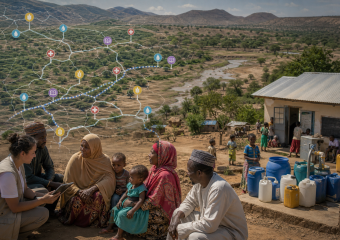


Humanitarian Aid: Stunning Solutions for Effortless Impact
From Clicks to Compassion: A New Era of Humanitarian Aid
From clicks to compassion, the landscape of humanitarian aid is rapidly evolving. In a world increasingly defined by technology, traditional methods of aid distribution are being complemented—and sometimes replaced—by innovative digital solutions. This transformation is not merely a trend; it signals a profound shift in how aid is conceptualized, delivered, and received, fostering a more connected and empathetic global community.
The Rise of Digital Platforms in Aid Distribution
The last decade has witnessed a surge in the use of digital platforms for humanitarian purposes. Crowdfunding websites and social media channels have become powerful tools for mobilizing resources quickly and efficiently. Organizations like GoFundMe and JustGiving enable individuals to fundraise for specific causes, making philanthropy more personal and direct.
Moreover, tech companies are stepping up with initiatives that leverage their platforms for good. Companies like Facebook and Google have introduced features that allow users to donate directly to charities or aid projects. This ease of access brings not only funds but also awareness to various humanitarian issues—significantly broadening the reach of aid efforts.
Harnessing Data for Effective Impact
Data has become a critical component in the realm of humanitarian aid, providing valuable insights that can direct resources more effectively. From predictive analytics to real-time situational updates, technology is allowing organizations to respond promptly to crises, ensuring that aid reaches those in the most need.
For example, organizations can use geospatial information to identify areas most affected by disasters or conflicts. This targeted approach minimizes waste and maximizes impact, ensuring that resources are allocated where they are needed most. The use of data also empowers donors, helping them to track the effectiveness of their contributions and reinforcing a sense of trust and transparency.
Engaging the Global Community
The modern era of humanitarian aid thrives on community engagement. Virtual platforms enable individuals from all over the world to participate in causes close to their hearts, fostering a culture of global solidarity. Campaigns initiated on social media often gain immense traction, mobilizing support far beyond the geographical limits of traditional fundraising efforts.
Moreover, online communities create a network of advocates who can amplify each other’s voices, share personal stories, and raise awareness for urgent causes. The shared experiences and testimonies make the plight of affected individuals much more relatable, evoking compassion that transcends distance.
Challenges of a Digital-First Approach
Despite its advantages, the shift toward a digital-first approach in humanitarian aid is not without challenges. One significant concern is the digital divide—while many individuals enjoy the benefits of technology, a considerable portion of the global population remains without access to the internet or digital platforms. This gap can result in marginalized communities being overlooked when aid is distributed.
Moreover, online fraud and misinformation pose a risk to donors and organizations alike. Without proper verification, funds can be misallocated or exploited. Building trust is critical, and transparency measures must be implemented to protect both the donors and the recipients of aid.
The Human Element
While technology has reshaped how aid is delivered, the human element remains irreplaceable. The essence of humanitarian work lies in empathy, compassion, and the will to make a difference. Technology can facilitate connection, but it cannot replace the heartfelt interactions and communal experiences that traditionally underpin humanitarian efforts.
Storytelling is one of the most powerful tools when it comes to evoking compassion. Sharing the real-life experiences of those in need not only raises awareness but also fosters a sense of responsibility among potential donors. Digital media allows for more creative storytelling methods—whether through videos, blog posts, or social media updates—making the challenges faced by individuals more tangible and immediate.
Towards a Compassionate Future
As we move into this new era of humanitarian aid, the focus will increasingly shift from mere transactions to interactions rooted in understanding and compassion. By combining the power of technology with genuine human connections, we can create a robust system that not only addresses immediate needs but also fosters long-term change.
Ultimately, the journey from clicks to compassion is a call to action for all of us. It invites each of us to engage in our capacity, whether by donating, spreading the word, or simply fostering discussions about humanitarian issues. In a world where we can connect with just a click, the potential for positive change is only limited by our willingness to act with compassion and empathy. Let us embrace this new era not merely as a transition but as an opportunity to reshape how we think about and engage with humanitarian work.