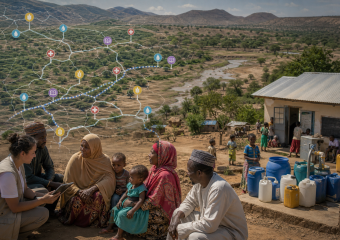


AI Hope Revolution: Top Innovations Saving Children
AI-Powered Hope: The Future of Saving Children Starts Here
AI-powered hope is not merely a catchphrase but a real, palpable shift in how we approach challenges in pediatric healthcare, safety, and well-being. Today, artificial intelligence (AI) is playing a pivotal role in transforming the landscape of solutions aimed at protecting and nurturing our youngest and most vulnerable. Through innovative applications, AI is starting to weave a promising future for saving children across the globe, blending cutting-edge technology with compassion.
The Intersection of AI and Child Welfare
Artificial intelligence has crept into many facets of everyday life, but its integration into child welfare and health initiatives is particularly profound. AI’s ability to analyze vast datasets quickly and with accuracy means that identifying patterns, predicting outcomes, and providing real-time assistance are now more feasible and effective than ever.
In healthcare, AI systems are being deployed to diagnose illnesses with a higher degree of precision. For instance, AI-driven algorithms can detect rare genetic disorders or swiftly interpret pediatric patient data to suggest personalized treatment plans. This rapid, precise decision-making capability can be crucial for addressing health issues in children that are often time-sensitive.
Enhancing Child Safety Through AI
The application of AI extends beyond healthcare into areas such as child safety. Predictive analytics are being used to evaluate risks and prevent accidents before they occur. For example, AI systems can monitor environments, predicting areas where children are most at risk of encountering hazards. This proactive approach not only mitigates risks but also helps in formulating better safety regulations and practices.
Additionally, AI-driven platforms are increasingly utilized in efforts to combat child exploitation and trafficking. By analyzing online data and patterns, these systems can identify potential threats and help law enforcement and other organizations intervene more effectively and swiftly.
Educational Advancements Powered by AI
Education is another critical area where AI is making significant inroads. Tailored learning experiences made possible through AI are addressing the unique learning needs and paces of individual children, including those with disabilities. AI tools and apps can adapt to a student’s learning curve and provide customized resources that enhance their understanding and retention of subjects.
Moreover, AI technology aids in breaking down geographical and socioeconomic barriers to education. Virtual learning environments and AI tutors can reach children in remote areas, providing quality educational opportunities irrespective of location.
Challenges and Ethical Considerations
While the prospects of AI in saving children are immense, they do not come without challenges. One of the primary concerns is data privacy and protection. Children are especially vulnerable, and the information collected can be sensitive. Ensuring robust data protection measures are critical in maintaining trust and integrity in AI initiatives.
Furthermore, there’s the issue of equal access to AI technologies. Addressing disparities in technology access ensures that AI-driven solutions do not widen the gap between different socio-economic groups but instead bridge it. Moreover, decisions made by AI systems need to be transparent and understandable, especially when they impact child welfare and rights.
The Path Forward with AI
As we venture further into the realms of AI, continuous innovation, regulation, and ethical vigilance are paramount. Collaborations among tech companies, healthcare providers, educational institutions, and governments can drive forward the development of AI solutions that are ethical, inclusive, and effective.
AI-powered hope offers a new vanguard in the mission to safeguard and empower children. Through compassionate application of these advanced technologies, the dream of a safer, healthier, and well-educated future for children around the world is slowly turning into a reality. As society continues to embrace AI, its potential to transform lives holds not just immediate benefits but also the promise of a brighter, more secure future for subsequent generations.