# How AI Detects Refugee Camp Clusters Before Governments Respond

The global refugee crisis continues to escalate with conflicts, climate change, and economic instability forcing millions to flee their homes. In this scenario, the early detection of refugee camp clusters can significantly aid humanitarian efforts. Recent technological advancements in Artificial Intelligence (AI) have proven crucial in identifying these camps before governmental bodies can mobilize resources. This blog explores how AI technologies are spearheading this crucial task.

The Role of AI in Early Detection


AI technologies, particularly machine learning and satellite imagery analysis, have transformed how we address complex humanitarian challenges. Here’s how AI is being used to detect refugee camps:

1. Satellite Imagery Analysis

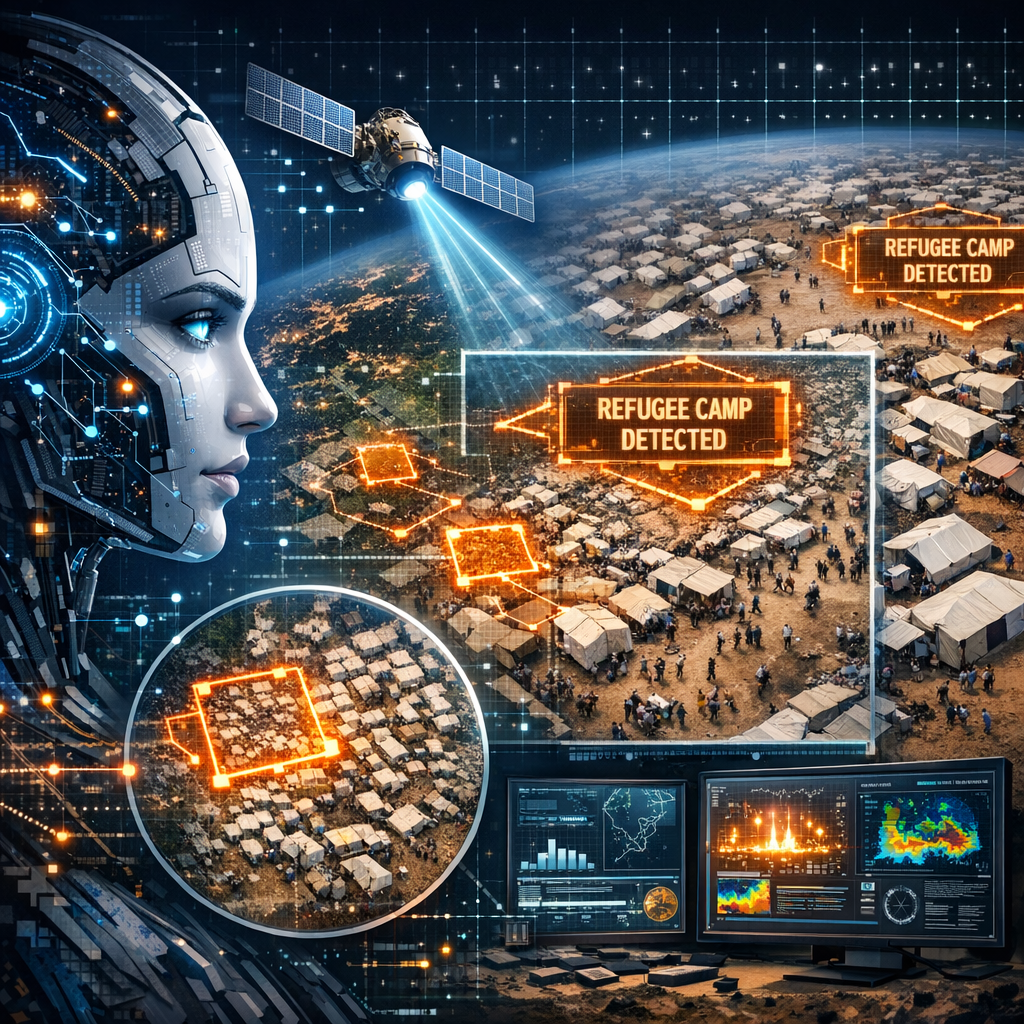
AI algorithms are trained to analyze satellite images to detect changes on the ground that might indicate the formation of new refugee camps. These algorithms can identify specific patterns, such as makeshift shelters and increased foot traffic in remote areas, which are telltale signs of new camps.

2. Predictive Analytics

AI-powered predictive models use historical data and real-time inputs to forecast areas where refugee camps are likely to develop. These models consider factors like conflict zones, migration routes, and previous camp locations to predict potential new sites.

3. Social Media and Communication Data

AI tools also analyze data from social media and communication channels. By monitoring keywords and the sentiment in posts from specific regions, AI can detect early signs of mass displacements and migrations, often before they're reported by traditional media.

Impact of AI on Humanitarian Efforts


The early detection of refugee camps is crucial for effective humanitarian response. AI enhances these efforts in several key ways:

- Rapid Response: By identifying camps early, humanitarian organizations can mobilize resources quicker, improving the efficiency of aid delivery.
- Resource Allocation: AI helps in planning and allocating resources more effectively, ensuring that aid reaches the most critical areas first.
- Improved Coordination: Early detection aids in better coordination among NGOs, government bodies, and international agencies, leading to more synchronized efforts.

Challenges and Considerations


Despite its benefits, the use of AI in detecting refugee camps comes with challenges and ethical considerations:

- Data Privacy: Handling sensitive data, such as personal information from social media, must be managed with strict privacy rules to protect individuals' rights.
- Dependence on Technology: Heavy reliance on AI could overshadow traditional humanitarian practices that are equally important.
- Bias and Accuracy: AI systems are only as good as the data they are trained on. Biased data can lead to inaccurate predictions, impacting the overall response.

Conclusion


AI's capability to detect refugee camp clusters before governments and other agencies can respond is a remarkable step forward in humanitarian technology. As AI continues to evolve, its integration into global humanitarian strategies becomes increasingly essential. However, it is vital to balance technological advancements with ethical considerations. The future of refugee aid relies not only on advanced technology but also on the strategic, compassionate use of these tools to make a real difference in the lives of millions.