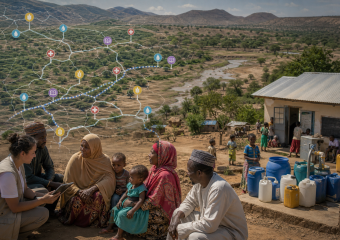


AI Revolution: How Tech Saves Kids Worldwide Effortlessly
From Compassion to Code: How AI Chapters Are Saving Children Worldwide
Artificial Intelligence for the Betterment of Child Welfare
In recent years, artificial intelligence (AI) has transcended traditional industrial applications and is now making remarkable strides in social welfare. At the forefront of this revolution are numerous AI chapters which have dedicated their technological resources to ameliorate the lives of children across the globe.
These AI-driven initiatives are turning compassion into code, developing programs that track, analyze, and respond to the needs and challenges faced by children worldwide. From preventive healthcare to education and safety, the impact of AI chapters is both profound and promising.
Pioneering Child Healthcare with AI
One of the seminal areas where AI chapters have made significant inroads is in the domain of healthcare. Globally, millions of children suffer from preventable diseases due to lack of proper diagnostic tools and healthcare services. AI is combating these deficiencies by providing innovative solutions. Utilizing algorithms that can predict outbreaks, AI tools are helping in preemptive measures and management of healthcare, directly saving lives.
Furthermore, AI-powered applications are being used to monitor the growth and health of children. These tools can analyze various parameters such as nutritional intake and are instrumental in early detection of developmental issues. This sort of intervention not only ensures timely healthcare but also educates communities about crucial health practices.
Enhancing Educational Opportunities through AI
Education is a fundamental right that remains inaccessible to many children, particularly in underprivileged and remote areas. AI chapters are striving to breach this gap through AI-enabled educational platforms which offer personalized learning experiences. These platforms use machine learning algorithms to adapt to the individual learning pace and style of each child, making education more accessible and effective.
Moreover, AI is being employed to automate administrative tasks which often bog down educational institutions. By streamlining processes like grading and attendance, teachers are freed up to focus more on teaching and less on paperwork, thereby enhancing the overall quality of education.
AI and Child Safety: A Priority
Child safety is another critical area where AI chapters are actively contributing. AI technologies are being used to develop systems that can detect and alert authorities about potential threats to children such as cyberbullying or physical abuse. Sophisticated algorithms analyze data from various sources to detect unusual patterns that could indicate danger, enabling quicker responses in critical situations.
Additionally, facial recognition technology is increasingly deployed in crowded public spaces to locate lost or abducted children quickly. These AI systems not only provide a sense of security but are indispensable tools for law enforcement agencies.
Future Directions
While the benefits are clear, the application of AI in child welfare also poses ethical and privacy concerns that need to be diligently addressed. As AI chapters continue to evolve, there is a strong emphasis on developing guidelines that govern the use of AI, ensuring that these innovations benefit children without compromising their rights or safety.
The incorporation of AI in developing solutions tailored to the complex needs of child welfare highlights a promising trend of leveraging technology for societal good. Moving forward, the potential of AI to transform and uplift the lives of children worldwide is boundless, provided these efforts are matched with equal measures of compassion and caution.
Conclusion
From enhancing healthcare, education, and safety, the contributions of AI chapters dedicated to child welfare are indeed transforming lives. These initiatives clearly demonstrate how technology, when applied thoughtfully and innovatively, can serve as a powerful tool for social good. As we continue to navigate this technological era, the symbiosis of compassion and code through AI not only offers hope but real, tangible lifelines to the world’s most vulnerable – the children.