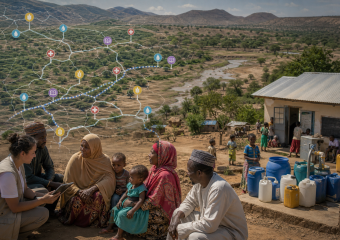


Pioneering Ethical AI Aid: Your Chance to Lead
The Impact of Ethical AI on Humanitarian Aid
Ethical AI-driven aid is transforming the landscape of humanitarian assistance, pushing the boundaries beyond traditional methods and introducing innovations that could significantly enhance aid effectiveness and distribution. As technology evolves, so does the potential to tackle some of the world’s most pressing challenges. From natural disasters to refugee crises, the integration of ethical artificial intelligence into humanitarian efforts is offering new hope and practical solutions to age-old problems. In this era of rapid technological advancement, there is a unique opportunity for you to be at the forefront of this transformative movement.
Understanding Ethical AI in Humanitarian Contexts
At its core, ethical AI refers to artificial intelligence systems that are designed to operate with a foundational basis of societal and cultural norms, aiming to reduce bias, promote fairness, and enhance societal well-being. In the context of humanitarian aid, this means developing and deploying AI solutions that are not only effective but also sensitive to the ethical dimensions of aid. This includes respect for data privacy, informed consent, and ensuring that the deployment of AI technologies does not lead to discrimination or harm.
AI-driven tools can analyze vast amounts of data rapidly, which is crucial in emergency situations where time is of the essence. For example, AI can help map disaster areas faster than human teams, predict the onset of epidemics, and streamline the distribution of resources. This swift data processing leads to quicker and more accurate decision-making in critical situations, saving lives and maximizing resource allocation.
Harnessing AI for Enhanced Crisis Response
One of the most prominent applications of AI in humanitarian aid is in the field of crisis response. AI algorithms can predict disaster impacts by analyzing climate data, which enables better preparedness and faster, more targeted responses. Drones equipped with AI, for instance, can survey disaster-hit areas and provide real-time data to aid workers, thereby enhancing the precision of aid distribution.
AI can also dramatically improve the coordination of aid logistics. In large-scale crises, managing the supply chain of aid materials such as food, medicine, and shelter is a complex task. AI systems can optimize routes for delivery, predict supply needs based on demographic data, and manage inventory more effectively than ever before.
Empowering Communities Through AI
Beyond immediate crisis response, ethical AI-driven aid also focuses on empowering communities to be resilient against future crises. AI-driven educational tools can provide displaced children with personalized learning experiences. Health AI apps can offer remote medical advice and monitoring, particularly in cut-off regions, ensuring ongoing health care delivery despite geographical and logistical challenges.
Community-driven AI projects also actively involve local populations in shaping aid initiatives that meet their specific needs and respect local customs and contexts. Such participation not only helps build more effective solutions but also fosters a sense of ownership and empowerment among beneficiaries.
Join the Movement: You Can Lead the Change
Becoming a pioneer in ethical AI-driven aid doesn’t require a background in technology or AI. Whether you are a student, a professional, or simply an individual with a passion for making a difference, there are numerous ways to get involved:
-
Education and Awareness: Educating yourself about the potentials and pitfalls of AI in humanitarian aid is a crucial first step. Various online courses and webinars can deepen your understanding of how AI can be applied ethically.
-
Advocacy: Advocate for policies and practices that promote ethical AI in humanitarian efforts. This can involve promoting transparency in AI algorithms, ensuring data protection, and fostering inclusivity in AI development.
-
Innovation and Entrepreneurship: If you have a knack for technology, consider developing AI solutions that address specific humanitarian challenges. Innovative thinking can lead to new tools that make aid delivery more targeted and effective.
-
Volunteering and Collaboration: Join NGOs and other organizations that are working at the intersection of AI and humanitarian aid. These organizations often need volunteers to test, implement, and scale their solutions.
The future of humanitarian aid is leaning heavily on ethical AI advancements, offering an extraordinary opportunity to reshape how help is delivered in crisis situations the world over. By engaging now, you can be part of a pioneering movement that not only leverages technology for good but also ensures it is used in a fair, responsible, and inclusive manner. Lead the change by envisioning and creating a future where technology serves humanity in the most ethical ways possible.