

Empowering Change: Exclusive Inside Look at Global Chapters
Build to Heal: Understanding the Impact of Grassroots Chapters
Grassroots Movements Foster Global Change
In the realm of philanthropy and activism, local chapters are often the frontline warriors, paving the way for substantial global impacts. Utilizing innovative tools provided by organizations like Save World Children, these chapters are not just initiating, but also leading monumental projects including the building of clinics, schools, and safe spaces. This movement, termed ‘Build to Heal,’ aptly encapsulates the dual focus on construction and compassionate outreach, while being strongly underpinned by data-driven strategies.
Engineering Change Through Strategic Implementation
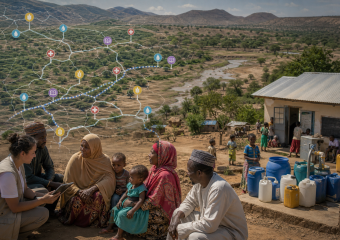
At the heart of Build to Heal’s effectiveness is the strategic use of data and compassionate methodologies. Local chapters are trained to harness data in a way that informs their decisions regarding location, structure, and the kinds of services they should offer. For instance, selecting a site for a new clinic involves a detailed analysis of local health statistics, logistics of accessibility, and demographic forecasts.
These activities are imbued with a deep sense of empathy. The blueprint for schools, for example, goes beyond mere architectural designs. It includes creating an environment that feels safe and welcoming for children, particularly those who are coming from challenging backgrounds. Every brick laid and every beam raised is matched by an equivalent investment in understanding and cater to the community’s unique emotional and educational needs.
Local Chapters’ Unique Approach to Project Launches
Each local chapter under Build to Heal has its uniqueness, shaped by the specific needs and cultural contexts of their respective communities. These chapters, though diverse in their approach, share a common thread—extensive reliance on the Save World Children’s tools. These tools are tailored to guide the chapters through various stages of project planning and implementation, ensuring that every new infrastructure, whether it is a clinic or school, is optimized for impact and sustainability.
One striking example is the launch of a clinic in a rural community where access to healthcare was minimal. The local chapter used demographic data to plot the exact location, ensuring it was accessible to the majority of the population. Moreover, they utilized tools to predict healthcare demands and tailor services to address prevalent local health issues, enhancing the clinic’s effectiveness.
Nurturing Safe Spaces Through Community Involvement
A critical aspect of the Build to Heal initiative is the creation of safe spaces. These are places where individuals, especially children and vulnerable populations, can feel secured and supported. These spaces are not just physical infrastructures but are configured to offer psychological comfort and safety, reinforcing the community’s resilience against various socio-economic challenges.
The establishment of these safe spaces often sees the highest degree of community involvement. Workshops and community meetings become a platform for voices that are seldom heard. This inclusive approach not only makes the projects more acceptable to the community but also enhances their functionality as they are molded by the very people who utilize them the most.
The Way Forward with Compassion and Innovation
As Build to Heal continues to expand, the focus remains on refining the tools and strategies that allow these grassroots chapters to function more autonomously and effectively. The goal is not just to construct buildings but to forge communities that are healthier, better educated, and fundamentally stronger.
With every clinic that operates, every school that opens, and every safe space that welcomes, there is a narrative of change being written. These chapters, though locally operated, are creating ripples that reach far beyond their geographical confines, showcasing the profound capability of localized efforts powered by global support.
From a behind-the-scenes perspective, it is evident that these grassroots chapters are not merely implementing projects—they are reengineering the societal landscape, led by a profound understanding of practical needs and a passionate commitment to service. The journey of Build to Heal is a fascinating testament to how tools designed with insight and compassion can turn grassroots initiatives into global movements.