

Policy Shaping: Exclusive Insight on Global Influence
Policy That Listens: How Save World Children Is Shaping Global Governance
Policy That Listens to Its People embodies more than just a visionary statement from Save World Children; it is a burgeoning reality that is commanding the attention of major global entities like the United Nations (UN), the World Health Organization (WHO), and local governments worldwide. Through its innovative use of data-driven strategies and strong ethical frameworks, Save World Children is steering conversations and influencing policy-making processes that have direct impacts on global governance.
How Data Drives Decision Making
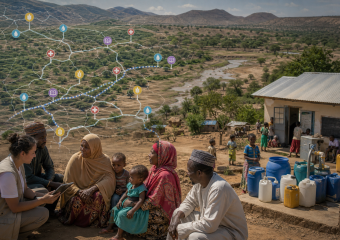
At the core of Save World Children’s influence is its commitment to a data-driven approach in assessing the needs and outcomes for children around the world. The organization collects extensive demographic, health, and educational data that highlights critical issues affecting children, such as malnutrition rates, access to education, and healthcare availability. This data is not just numbers and statistics; it symbolizes the real-life scenarios of millions of children and their families.
The data collected serves a pivotal role in shaping the policy documents and suggestions presented to bodies like the UN and WHO. Because the data is meticulously gathered and analyzed, it provides a robust basis for advocating for changes in policy and practice. For instance, by showing a statistical link between improved access to clean water and reduced incidence of waterborne illnesses in children, Save World Children can push for more rigorous international health regulations and support from governmental and non-governmental organizations.
Ethical Frameworks at the Heart of Policy
Equally essential to data in Save World Children’s policy influence is its ethical framework. The organization operates on a principled basis that every child has the right to survival, protection, and development. These values are embedded deeply in every project, initiative, and policy recommendation they make.
This ethical stance gives additional weight to their advocacy efforts at the international level. When presenting data and findings at conferences or policy discussions, Save World Children ensures that the discourse is not only about statistics but about real human interests and ethical imperatives. This approach has proven effective in touching base with policy-makers’ sense of morality and responsibility, thus fostering more meaningful global conversations about children’s rights and welfare.
Influencing Local and Global Policies
The impact of Save World Children extends beyond global frameworks; it also resonates at the local government level. By partnering with local entities, Save World Children ensures that global policies are adapted to fit local contexts, respecting cultural and societal nuances while maintaining the core objectives of child well-being and rights protection.
For example, in regions where child labor is rampant, rather than only pushing for broad non-discriminatory education policies, Save World Children works with local governments to create educational programs that accommodate working children’s schedules, allowing them access to schooling without immediately stripping away their economic contributions to their families. Such tailored interventions ensure that the policies endorsed are not only globally sound but locally applicable and sustainable.
Looking Forward
As Save World Children continues to build its repository of accurate and meaningful data, coupled with its unyielding ethical commitments, its ability to influence global and local governance will only grow stronger. The platforms provided by entities like the UN and WHO are pivotal in amplifying their policy recommendations. Moreover, the success seen at these levels fuels their strategies for more nuanced local government engagements.
This synergistic approach between data-driven insights and grounded ethical practices is what sets Save World Children apart in the international arena. As they shape policies that listen to and advocate for children’s needs, the ripple effects are seen and felt: in the halls of the United Nations, within the frameworks of the World Health Organization, and in the day-to-day workings of local governments.
Through persistent advocacy and strategic partnerships, Save World Children not only voices the concerns of the voiceless but also ensures that those voices are at the forefront of policy considerations—today, and for future generations.