
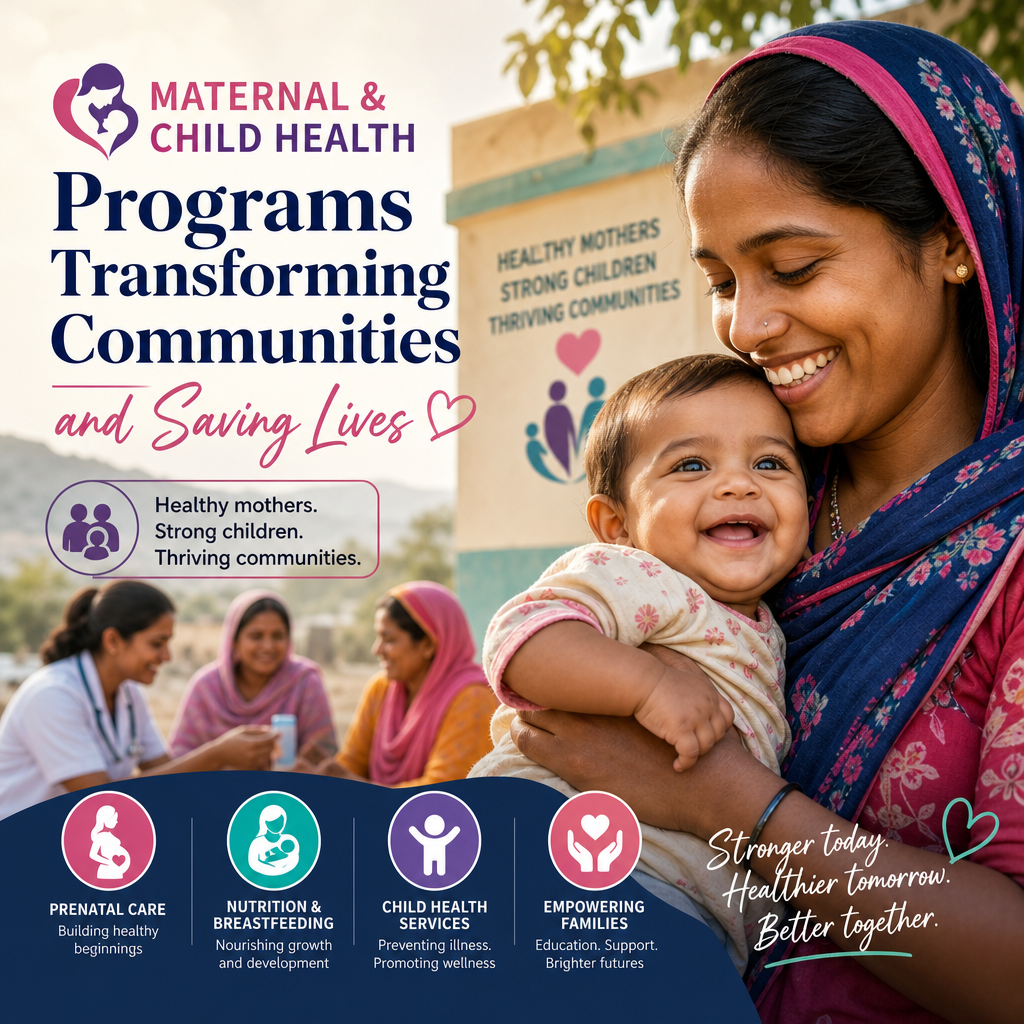
Maternal & Child Health Programs Transforming Communities and Saving Lives
Maternal & Child Health: The Lifesaving Programs Changing Communities
Maternal & Child Health is more than a public health goal. It is a foundation for stronger families, healthier neighborhoods, and more resilient communities. When mothers and children receive the care they need before, during, and after birth, the impact reaches far beyond one household. School attendance improves. Families are more stable. Communities grow stronger from the ground up.
Around the world, lifesaving programs are helping close the gap between need and access. These efforts are not only reducing preventable deaths, but also improving long-term health, nutrition, and development. In many places, Maternal & Child Health programs are changing what is possible for the next generation.
Why Maternal & Child Health Matters
A healthy pregnancy and a safe start in life give children the best chance to thrive. Yet millions of women and children still face barriers such as:
- Limited access to prenatal care
- Lack of skilled birth attendants
- Poor nutrition during pregnancy and early childhood
- Delayed vaccinations
- Inadequate health education
- Distance from clinics and hospitals
These challenges can lead to complications that are often preventable. Maternal & Child Health programs address these risks by bringing essential care closer to the families who need it most.
Prenatal Care That Saves Lives
One of the most effective parts of Maternal & Child Health programming is prenatal care. Regular checkups help identify risks early, manage existing health conditions, and support healthier pregnancies.
Prenatal services often include:
Health screenings
Blood pressure checks, anemia testing, and monitoring of fetal growth help providers catch problems before they become emergencies.
Nutrition support
Expectant mothers may receive supplements like iron and folic acid, along with guidance on healthy eating and hydration.
Education and counseling
Parents learn to recognize danger signs, prepare for delivery, and plan for newborn care.
These simple interventions can make a major difference. A single visit may prevent a life-threatening complication later.
Safer Births Through Skilled Care
Childbirth can be unpredictable, which is why skilled care during delivery is critical. Trained midwives, nurses, and doctors can respond quickly to complications such as bleeding, infection, or difficulty during labor.
Lifesaving birth programs often focus on:
- Training birth attendants
- Equipping clinics with emergency supplies
- Improving referral systems for high-risk pregnancies
- Expanding access to transportation for emergency care
In communities with limited resources, these services can mean the difference between tragedy and survival. They also build trust in the health system, encouraging more families to seek care.
Protecting Children in the Earliest Years
The first five years of life are a time of rapid growth. During this period, children need consistent nutrition, vaccinations, and monitoring to stay healthy. Maternal & Child Health programs often provide these services through community clinics, outreach teams, and home visits.
Common child health interventions include:
Immunizations
Vaccines protect children from diseases that once caused widespread death and disability.
Growth monitoring
Regular height and weight checks help detect malnutrition or developmental concerns early.
Breastfeeding support
Counseling helps mothers begin and continue breastfeeding, which strengthens immunity and supports healthy development.
Treatment for common illnesses
Prompt care for diarrhea, pneumonia, and fever can prevent minor conditions from becoming fatal.
When these basic services are available, children are more likely to survive infancy and grow into healthy adults.
Community Health Workers Make Care Reachable
A major reason Maternal & Child Health initiatives succeed is the involvement of community health workers. These trusted local workers bridge the gap between families and formal health systems.
They often:
- Visit homes to provide education
- Remind families about appointments and vaccines
- Identify warning signs early
- Connect pregnant women with clinics
- Support new mothers with postpartum care
Because they live in the communities they serve, they understand local challenges, language, and customs. This makes health messages more effective and care more accessible.
The Ripple Effect on Communities
The benefits of Maternal & Child Health programs extend far beyond individual patients. When mothers stay healthy, they are better able to work, care for their families, and participate in community life. When children survive and thrive, they are more likely to succeed in school and contribute to their communities later.
These programs also help reduce health inequality. Families in rural and underserved areas often face the greatest risks and the fewest resources. By prioritizing Maternal & Child Health, governments and organizations can help level the playing field and create more equitable outcomes.
A Lasting Investment in the Future
Lifesaving Maternal & Child Health programs are not temporary fixes. They are long-term investments in human potential. Each prenatal checkup, safe delivery, vaccination, and nutrition visit strengthens the health of an entire community.
The results are powerful:
- Fewer preventable deaths
- Healthier mothers and babies
- Stronger families
- Better educational outcomes
- More resilient communities
When communities support Maternal & Child Health, they are choosing a future with more hope, more stability, and more opportunity. That is the true power of these programs: they do not just save lives today. They shape healthier generations for years to come.