
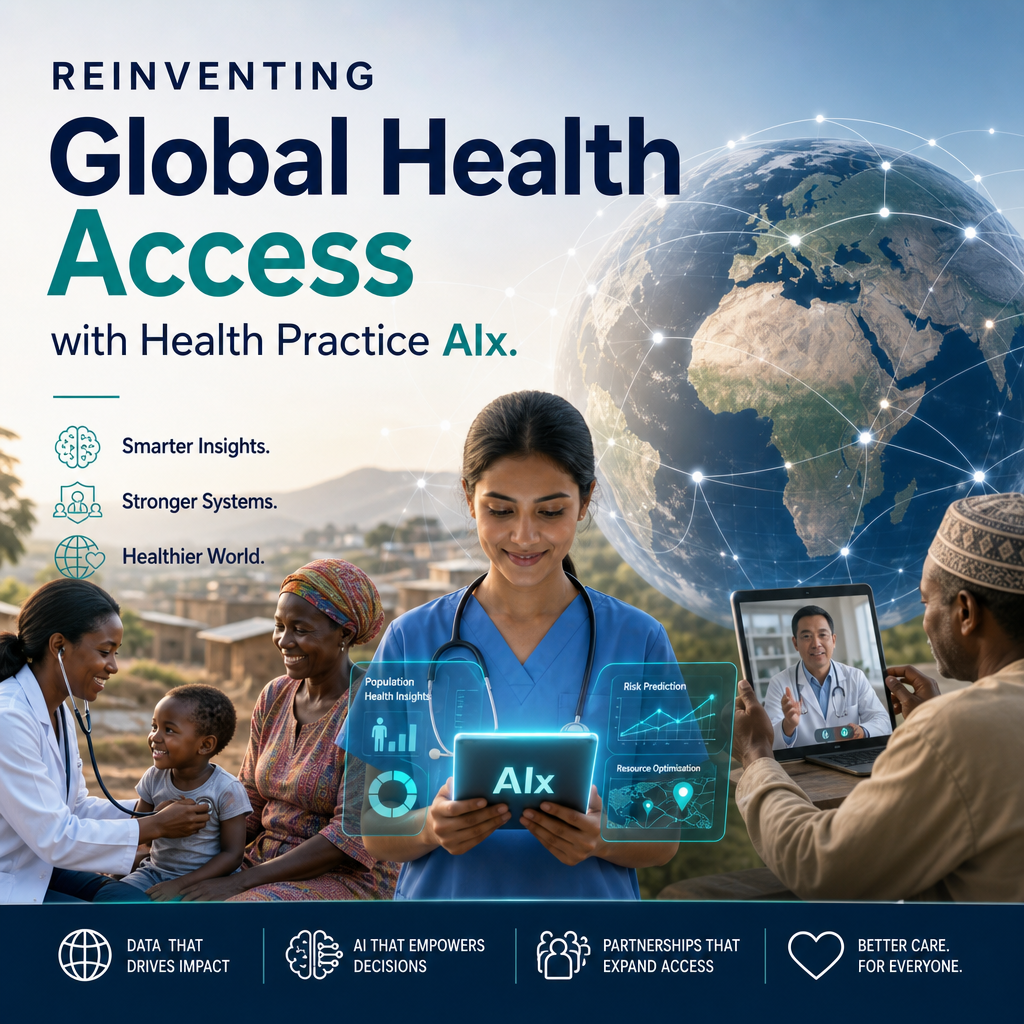
Reinventing Global Health Access with Health Practice AIx
Reinventing Global Health Access With Health Practice AIx
Global health access has always depended on a simple idea: people should be able to get the right care, at the right time, no matter where they live. Yet in many parts of the world, that promise remains out of reach. Clinics are understaffed, rural communities are underserved, and health systems are often stretched beyond capacity.
Health Practice AIx is emerging as a powerful way to close some of these gaps. By combining artificial intelligence with real-world healthcare workflows, it can help health systems make faster decisions, extend clinical reach, and deliver more personalized care at scale.
Why Global Health Access Still Falls Short
Access to healthcare is not only about having a hospital nearby. It also depends on:
- trained clinicians
- timely diagnosis
- affordable services
- reliable medical records
- language and cultural support
- follow-up care after treatment
In low-resource settings, even one missing piece can prevent someone from getting help. In high-income countries, access issues still appear in the form of long wait times, insurance barriers, or overwhelmed primary care systems.
This is where smarter health infrastructure matters. Health Practice AIx offers a practical way to support clinicians, administrators, and patients by making systems more responsive and more efficient.
What Is Health Practice AIx?
Health Practice AIx is the use of AI-driven tools within healthcare practice to improve delivery, decision-making, and coordination. It is not about replacing doctors or nurses. It is about giving them better tools.
At its best, Health Practice AIx can help with:
- triaging patients based on urgency
- analyzing symptoms and clinical histories
- automating administrative tasks
- supporting remote consultations
- identifying care gaps in populations
- improving resource allocation
This matters globally because healthcare systems are not equally equipped. AI can help bring high-quality support to places where specialists are scarce or hard to reach.
Expanding Reach Through Smarter Triage
One of the most immediate benefits of Health Practice AIx is triage. In many health systems, patients wait too long because there is no efficient way to sort urgent cases from routine ones.
AI-assisted triage can help clinicians determine:
Which patients need immediate attention
By prioritizing symptoms and risk factors, AI tools can flag cases that should be seen first.
Which cases can be handled remotely
Not every concern requires an in-person visit. Some patients can safely receive advice, monitoring, or follow-up through telehealth.
Where clinical escalation is needed
When symptoms indicate danger, AI can recommend referral pathways or specialist care faster.
This kind of support can reduce delays and help clinics manage demand more effectively.
Supporting Clinicians, Not Overloading Them
Healthcare workers in many regions are already overworked. Any new technology must reduce burden, not add to it. Health Practice AIx can help by taking on repetitive, time-consuming tasks such as:
- appointment scheduling
- transcription and note drafting
- data entry
- insurance documentation
- reminder messages for follow-up care
When clinicians spend less time on administrative work, they can spend more time with patients. That improves both efficiency and the human experience of care.
Bringing Expertise to Remote and Underserved Areas
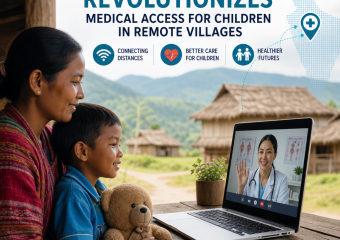
A major challenge in global health is geography. Many communities are far from major hospitals or specialist centers. Health Practice AIx can help extend care through digital and mobile platforms.
For example, AI-enabled systems can support:
- telemedicine consultations
- mobile health clinics
- community health worker tools
- multilingual patient support
- remote monitoring for chronic conditions
These tools can be especially valuable in areas with limited infrastructure. A community health worker armed with an AI-assisted app may be able to identify warning signs early, document cases accurately, and connect patients to the next level of care.
Data That Improves Population Health
Health access is not only about treating individuals. It is also about seeing patterns across populations. Health Practice AIx can analyze data from clinics, public health programs, and patient interactions to identify trends such as:
- disease outbreaks
- medication shortages
- high-risk populations
- missed screenings
- chronic illness management gaps
When health leaders see these patterns earlier, they can act sooner. That means better planning, more targeted outreach, and stronger prevention strategies.
The Human Side of AI in Healthcare
For all its promise, Health Practice AIx must be used responsibly. Global health is about trust, equity, and dignity. AI systems should be designed to support those values, not undermine them.
That means focusing on:
- transparency in how recommendations are made
- fairness across populations and languages
- privacy and data protection
- local clinical oversight
- adaptation to community needs
Technology works best when it reflects the reality of the people it serves. In global health, that reality is diverse. A solution that works in one region may need significant adjustment in another.
A More Accessible Future
The future of global health access will not be built by technology alone. It will depend on policy, funding, training, and community partnership. But Health Practice AIx can be a major part of the solution.
It can help health systems work smarter, reach farther, and respond faster. It can reduce avoidable delays, support exhausted clinicians, and make care more accessible for people who have historically been left behind.
That is why Health Practice AIx matters. Not as a buzzword, but as a practical tool for building a fairer global health system.
When used thoughtfully, it can help transform access from a hopeful ideal into a measurable reality.