
Save World Children is helping break the cycle of poverty by giving children education, better health, and the support they need to thrive. Through a holistic approach, the organization empowers families and communities to create lasting change for the future.

LaborAIx Training helps developing nations close critical workforce skills gaps by matching training to real labor market demand. With AI-driven learning pathways and practical, job-ready instruction, workers gain the skills they need to adapt, earn more, and support long-term economic growth.
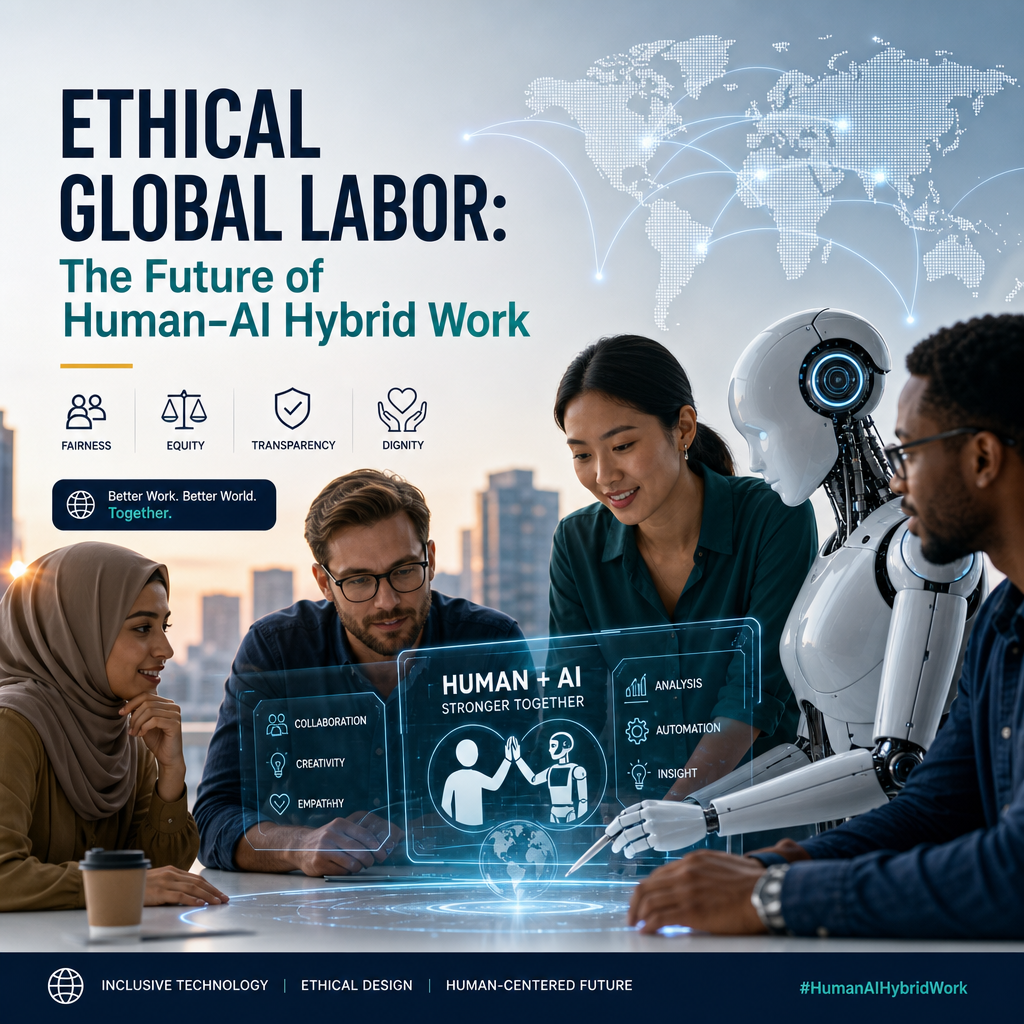
Human-AI hybrid work is reshaping global labor by pairing AI’s efficiency with human insight, creating new opportunities for productivity, fairness, and accountability. As businesses scale across borders, the real challenge is ensuring this model strengthens ethical global labor instead of hiding exploitation behind automation.
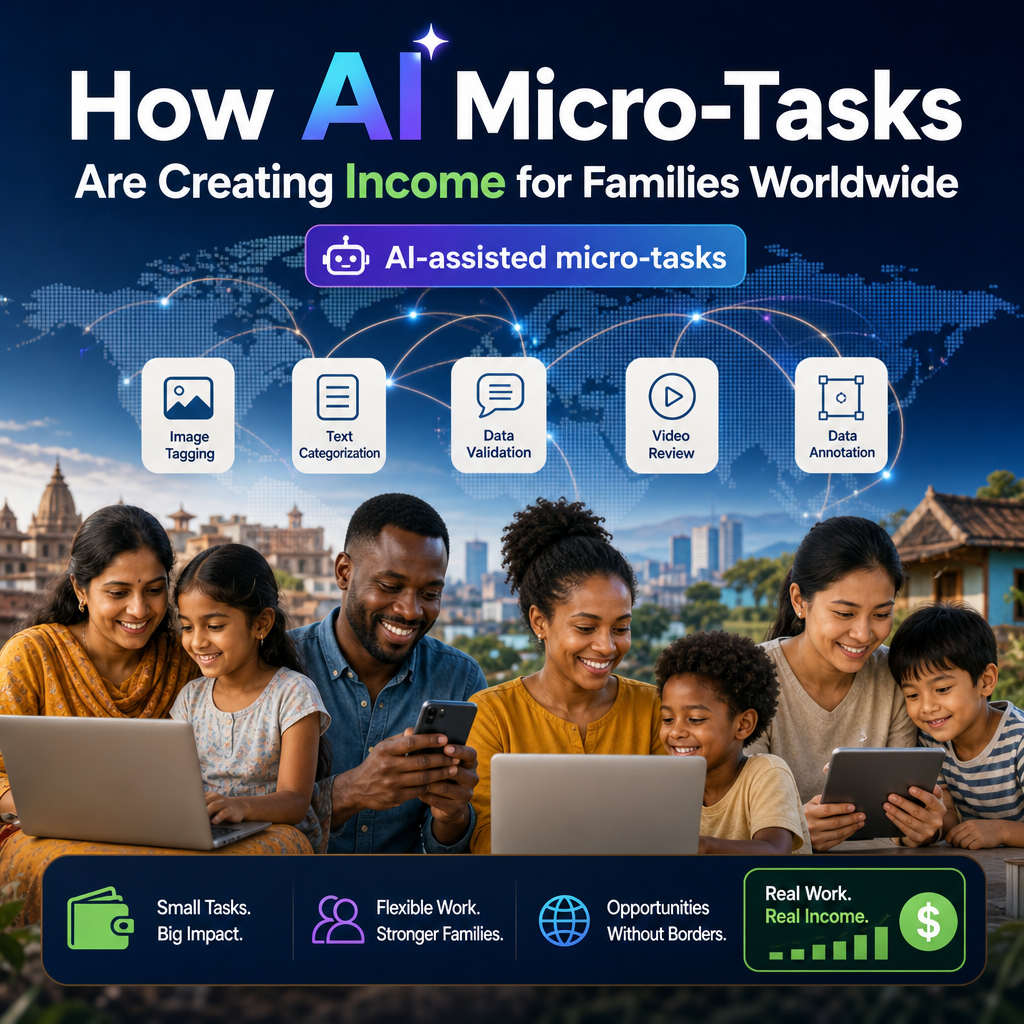
AI-assisted micro-tasks are opening up a new way for families to earn money from home with flexible, bite-sized jobs that fit around busy lives. From image tagging to short audio checks, these small tasks can add up to meaningful income over time.
The Afghan Women Labor Project is helping Afghan women turn determination into opportunity through practical training, work, and community support. By building skills and income at the same time, it opens the door to greater independence, confidence, and hope for the future.
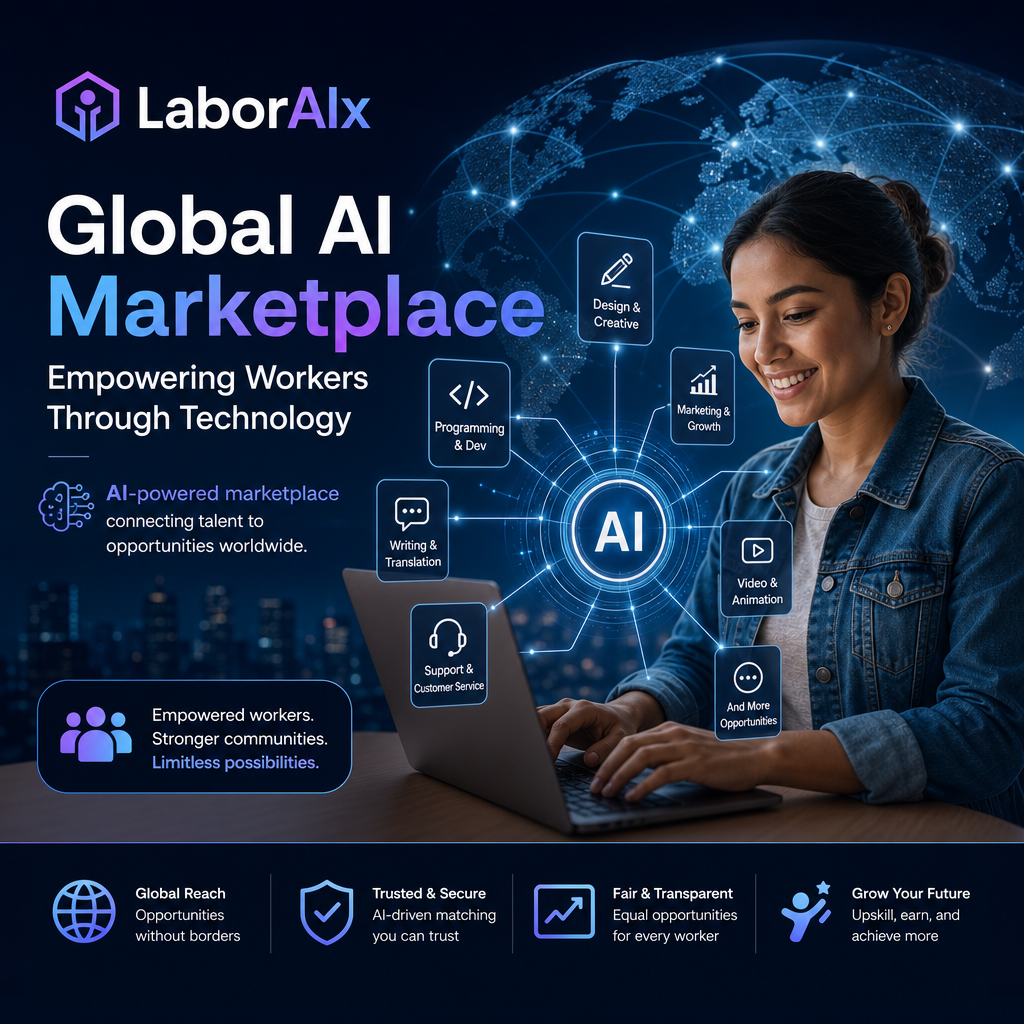
LaborAIx is an AI-powered marketplace designed to help workers find better-matched jobs, projects, and clients faster. By combining smart matching with career-support tools, it makes opportunities more accessible and helps people grow with confidence.
When every minute counts, emergency medical response can mean the difference between life and loss for a child in crisis. Save World Children is built to act fast, coordinating care and delivering lifesaving support in minutes, not hours.
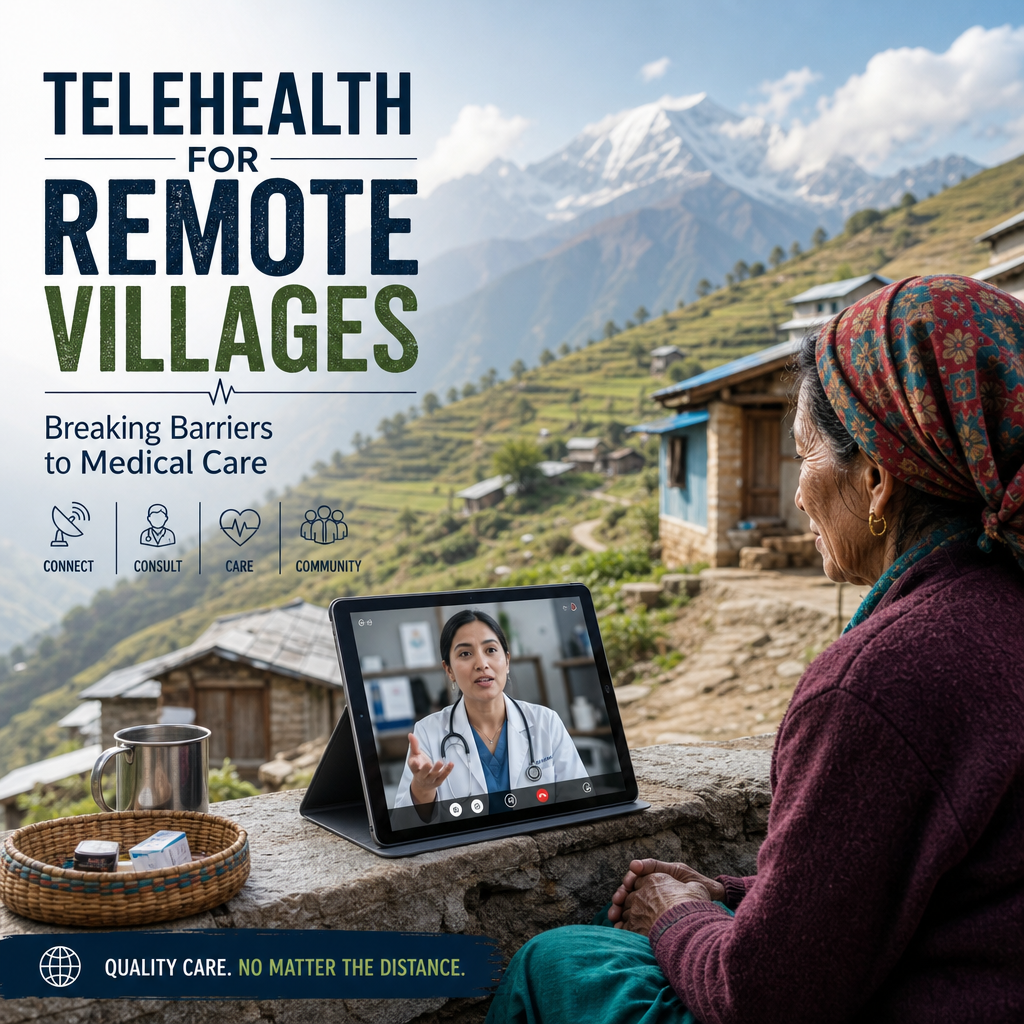
telehealth for remote villages is helping people get medical advice, follow-up care, and even specialist support without making long, costly trips. By using simple tools like phones and video calls, it’s bringing healthcare closer to communities that have historically been hardest to reach.
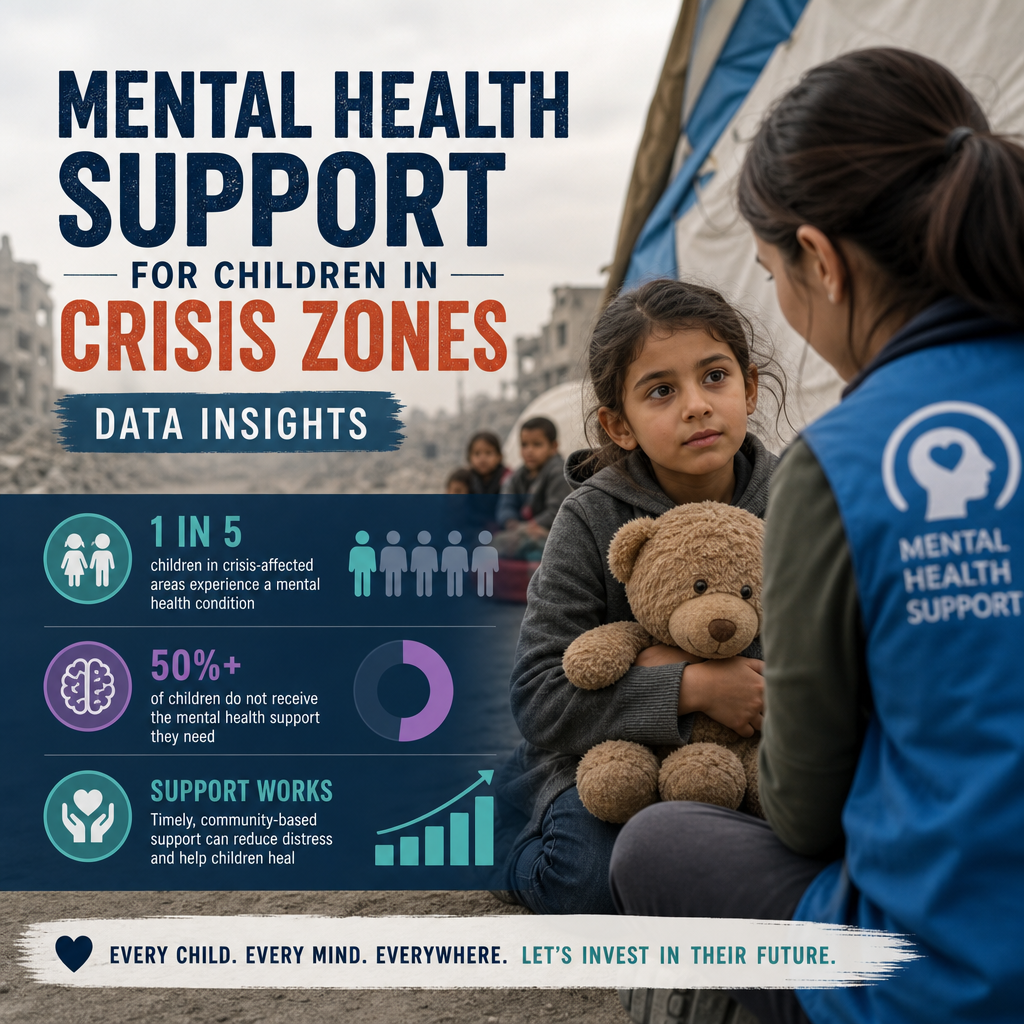
Children facing war, displacement, or disaster often carry invisible wounds long after the crisis ends. The data on mental health support for children in crisis zones shows that early, steady care can help reduce trauma and restore a sense of safety.
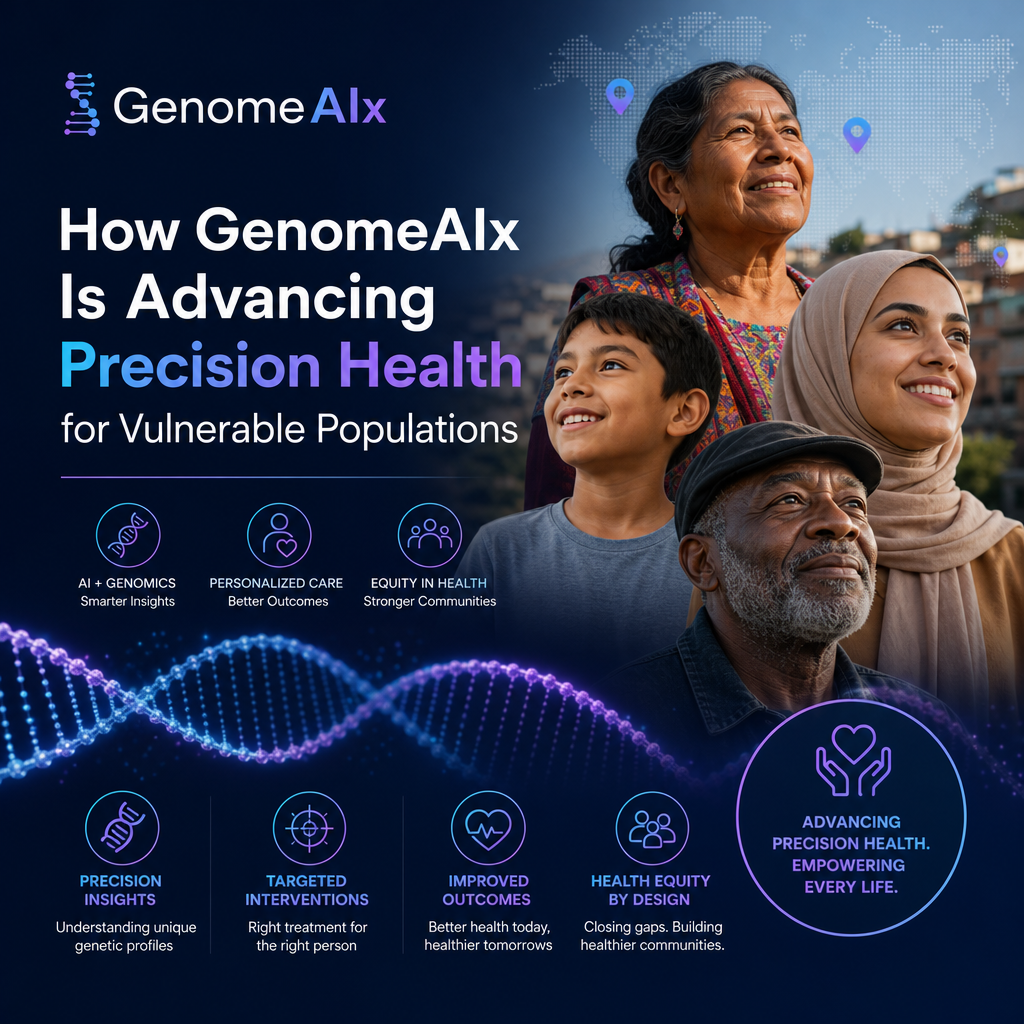
GenomeAIx is helping make precision health more accessible by using AI and genomic data to spot risks earlier and tailor care to people who have historically been underserved. By bringing smarter, more personalized tools to vulnerable populations, it is helping close long-standing gaps in diagnosis, prevention, and treatment.