

Ending Child Poverty: Proven Strategies for Sustainable Impact
Child poverty remains a pressing issue that affects millions of children worldwide. Despite numerous efforts to address this challenge, sustainable solutions are crucial to end child poverty effectively. This article focuses on proven strategies that can make a sustainable impact in eradicating child poverty.
Understanding the Scope of Child Poverty
Child poverty is a multifaceted issue that encompasses various dimensions, including economic, social, and educational factors. According to the World Bank, around 385 million children worldwide live in extreme poverty. These children are at a higher risk of malnutrition, lack of education, and limited access to healthcare, perpetuating a cycle of poverty that is difficult to break.
Focus on Education as a Key Strategy
Education plays a pivotal role in breaking the cycle of poverty. Ensuring access to quality education for all children, regardless of their socio-economic background, is essential in building a more equitable society. Investing in educational infrastructure, providing teacher training, and promoting school attendance can significantly impact children’s future opportunities and break the cycle of poverty.
Promoting Social Protection Programs
Social protection programs, such as cash transfers, food assistance, and healthcare services, are crucial in providing a safety net for vulnerable families. These programs can help alleviate the immediate impact of poverty and prevent children from falling deeper into deprivation. By expanding social protection coverage and targeting the most marginalized populations, governments can effectively reduce child poverty rates.
Empowering Women and Girls
Gender inequality is a significant driver of child poverty. Empowering women and girls through education, access to resources, and economic opportunities can have a transformative impact on family well-being. When women have equal opportunities and financial independence, they are better equipped to support their children and break the cycle of intergenerational poverty.
Strengthening Community Engagement and Participation
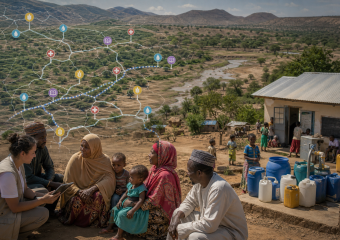
Community involvement is crucial in addressing the root causes of child poverty. Local communities often have unique insights into the challenges they face and can play a vital role in designing and implementing poverty reduction strategies. By fostering community engagement, governments, NGOs, and stakeholders can ensure that interventions are culturally sensitive, sustainable, and tailored to local needs.
Leveraging Technology for Social Impact
Innovative technologies offer new opportunities to address child poverty more effectively. Mobile applications, data analytics, and digital platforms can streamline service delivery, improve accountability, and enhance monitoring and evaluation efforts. By harnessing the power of technology, organizations can reach more children in need and implement targeted interventions that yield sustainable results.
Conclusion
Ending child poverty requires a comprehensive approach that addresses the root causes of poverty and empowers children and families to break the cycle of deprivation. By focusing on education, social protection, gender equality, community engagement, and technological innovation, sustainable impact can be achieved in eradicating child poverty. It is imperative for governments, organizations, and individuals to work collaboratively to prioritize child well-being and create a brighter future for the next generation.