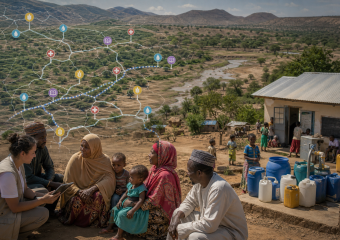


Protecting Children in Crisis Zones: Humanitarian Aid That Works
In the turbulent landscapes of crisis zones around the world, the vulnerability of children is often heightened. Conflicts, natural disasters, and other humanitarian crises can disrupt their lives, leaving them exposed to risks and trauma. It is in these challenging circumstances that effective humanitarian aid becomes crucial in protecting the young and innocent. This article delves into the strategies and approaches that have proven to be efficient in safeguarding children in crisis zones, highlighting the importance of targeted assistance and sustainable interventions.
The Vulnerability of Children in Crisis Zones
Children are among the most vulnerable populations in crisis zones. Displaced from their homes, separated from families, and deprived of basic necessities, they face a multitude of risks including malnutrition, lack of education, physical harm, and psychological distress. The impact of conflict or disaster on children can be long-lasting, affecting their development and well-being.
Focus on Child Protection and Safety
One of the primary objectives of humanitarian aid in crisis zones is to ensure the safety and protection of children. This involves establishing safe spaces where children can receive care, support, and counseling. These safe spaces provide a protective environment where children can play, learn, and heal from the traumas they have experienced. Aid organizations also work to reunite separated families and prevent child trafficking and exploitation.
Access to Education and Psychosocial Support
Education is a fundamental right of every child, even in the midst of a crisis. Humanitarian aid efforts prioritize providing access to education for children affected by emergencies. This not only offers a sense of normalcy and routine but also helps prevent a lost generation by ensuring that children can continue their learning despite the upheaval in their lives. In addition to education, psychosocial support services are vital in helping children cope with the emotional challenges they face in crisis situations.
Nutrition and Healthcare Interventions
Malnutrition and health-related issues are common among children in crisis zones due to limited access to food, clean water, and healthcare services. Humanitarian aid that focuses on nutrition and healthcare interventions plays a crucial role in addressing these challenges. Providing therapeutic food supplements, vaccinations, and medical treatment can prevent and treat malnutrition, diseases, and other health conditions that can endanger children’s lives.
Community Engagement and Sustainable Solutions
Effective humanitarian aid for children in crisis zones goes beyond immediate relief efforts. It involves engaging with local communities to understand their needs and priorities, empowering them to participate in decision-making processes, and promoting sustainable solutions that build resilience. By involving communities in the design and implementation of aid programs, organizations can ensure that interventions are culturally appropriate, effective, and locally owned.
Conclusion: Building a Better Future for Children in Crisis Zones
Protecting children in crisis zones requires a holistic and coordinated approach that addresses their diverse needs and challenges. Humanitarian aid that prioritizes child protection, education, healthcare, and community engagement can make a significant difference in the lives of vulnerable children. By investing in the well-being and future of children affected by crises, we can build a more resilient and compassionate world where every child has the opportunity to thrive, regardless of the adversities they face.