
How We Partner with Schools to Improve Child Education
earn how we partner with schools to improve child education through teacher training, curriculum support, family engagement, and measurable results
Partnering with schools is one of the most effective ways to raise educational outcomes for children. In this article I’ll explain how we partner with schools to improve child education by combining classroom support, teacher development, family engagement, and data-driven evaluation. You’ll see practical steps, examples of activities we deliver, and how schools can begin a partnership that benefits every child.
Why school partnerships matter
Schools do the daily work of teaching, but they rarely operate in isolation. When community organizations, nonprofits, businesses, and experts intentionally partner with schools, students gain access to additional resources, fresh perspectives, and targeted support. A good partnership respects the school’s goals and builds capacity rather than creating dependency.
Our approach to improving child education
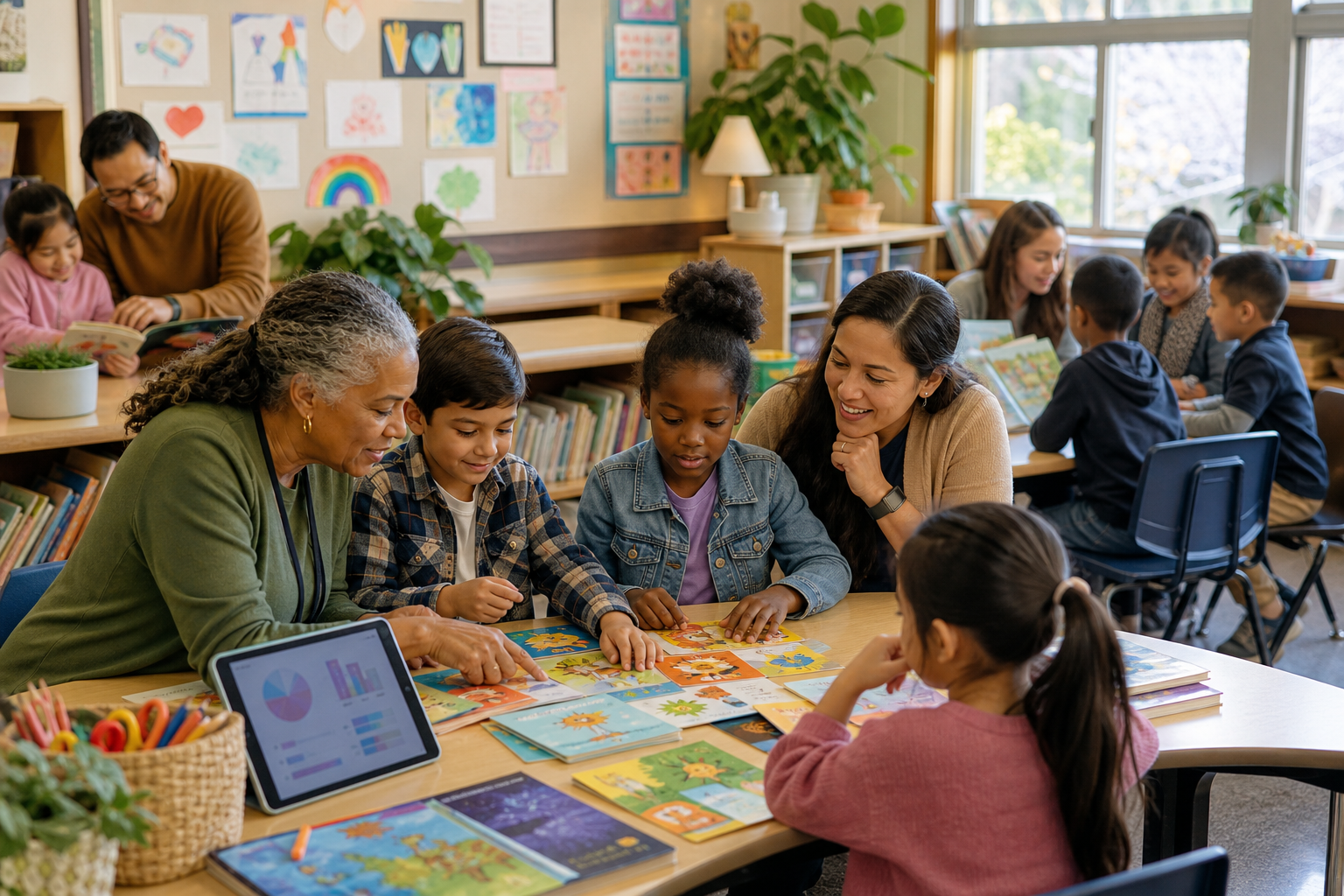
Our model centers on three principles: listen first, design together, and measure impact. We begin by understanding a school’s strengths and challenges, co-design interventions with educators, and then use clear metrics to track progress. Below are the main program areas we use when we partner with schools.
1. Teacher professional development
Effective teaching is the single biggest in-school factor that affects student learning. We provide practical, classroom-focused training that teachers can apply the next day. Topics include differentiated instruction, formative assessment, behavior management, and culturally responsive teaching.
- Short, ongoing coaching cycles rather than one-off workshops.
- Peer observation and feedback to spread successful practices.
- Resource packs with lesson templates and assessment tools.
2. Curriculum and instructional support
We work with school leaders to align curricula to learning goals and to make instruction more engaging and relevant. This may involve adapting standards to local contexts, integrating project-based learning, or adding literacy and numeracy boosters for struggling students.
3. Family and community engagement
Learning doesn’t stop at the school gate. We partner with families to create consistent, supportive environments for children. Strategies include family workshops, home-learning packs, and community events that reinforce school messages and build trust.
4. Technology and learning resources
Where appropriate, we introduce affordable, easy-to-use technology that enhances instruction and provides diagnostic data. Technology is used to supplement—not replace—teacher-led learning and to give faster feedback to educators and families.
5. Mentoring and student supports
Some students need additional one-on-one or small-group support. We help schools set up mentoring programs, after-school tutoring, and social-emotional learning groups that remove barriers to learning and boost confidence.
How we measure impact
Measurement is central to every partnership. We agree on a small set of indicators with each school—attendance, reading fluency, classroom engagement, or specific assessment results—and collect baseline data before activities begin. Progress is tracked through:
- Regular formative assessments to inform instruction.
- Teacher and student surveys that capture practice and perception changes.
- Quarterly review meetings to adapt strategies based on evidence.
Case example: A simple literacy partnership
In one recent partnership we helped a primary school improve early literacy by providing structured lesson plans, training for teachers on phonics instruction, and weekly reading clubs staffed by volunteers. Within a year, the school saw measurable gains in students’ decoding skills and engagement. That progress came from aligning goals, supporting teachers, and tracking small, actionable data points.
How schools can start a partnership
If your school is considering a partnership, start by identifying a single priority area—such as math fluency or attendance—and a willing coach or leader on staff. Then:
- Invite partners to listen: Conduct a needs assessment together.
- Set clear, measurable goals and roles for everyone involved.
- Begin with a pilot that lasts one semester, learn, then scale up.
Conclusion
When we partner with schools to improve child education, the focus is always on sustainable change. By working alongside educators, engaging families, and using data to guide decisions, partnerships become a powerful engine for student success. If you’re a school leader, teacher, or community member, a well-designed partnership can multiply your impact and ensure more children thrive academically and emotionally.