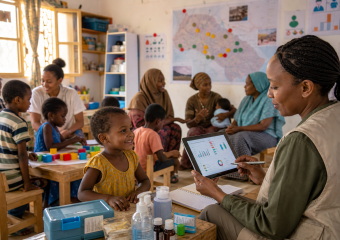


Regional Spotlight: Programs Driving Real Advocacy Impact
Regional Spotlight: Programs Driving Real Advocacy Impact
Across towns, counties, and metropolitan corridors, local initiatives are proving that targeted efforts can create lasting change. This regional spotlight celebrates Program models that combine grassroots energy, smart partnerships, and measurable advocacy impact to solve complex community challenges.
Why Regional Programs Matter
When people talk about big change, national headlines often dominate the conversation. But many of the most durable solutions begin at the regional level. A Regional Program—designed for the specific culture, economy, and needs of a place—can move faster, adapt more precisely, and build trust in ways that larger efforts sometimes cannot.
Community‑tailored solutions
Regional programs listen first. They map local assets and gaps, then design interventions that echo the community’s priorities. That makes services more relevant and increases the likelihood that residents will engage and sustain momentum.
Partnerships amplify reach
No single organization can solve complex problems alone. Effective regional initiatives form alliances across sectors—nonprofits, schools, local government, and businesses—so resources are pooled and outcomes are shared.
Programs Making a Difference: Examples from the Field
Below are illustrative sketches of regional efforts demonstrating how a focused Program can produce real advocacy impact and measurable improvements.
Neighborhood Workforce Pipeline
In one region, a workforce Program partners with community colleges and local employers to provide short, industry‑aligned training. The program prioritizes wraparound support—childcare vouchers, transportation subsidies, and career coaching—so graduates can enter stable jobs. The advocacy impact appears in local hiring policy changes and commitments from employers to hire program graduates.
Rural Health Access Network
A consortium of clinics created a shared-telehealth platform that extended specialties into remote areas. The Regional Program negotiated reimbursements, trained local staff, and coordinated mobile clinics. As a result, preventable hospitalizations dropped, and local leaders successfully lobbied the county to sustain funding—an example of advocacy impact turning pilot work into public investment.
Youth Voice and Civic Engagement Initiative
To boost civic participation, a regional youth Program built mentorship circles, civic education, and a youth-led action fund. Young people presented policy recommendations to council members and won commitments on school safety and transit scheduling. That direct link between community organizing and policy change is a clear measure of advocacy impact.
How These Programs Measure Success
Good programs track both outputs (what they do) and outcomes (what changes). Common indicators include:
- Participation and retention rates
- Employment or health outcomes
- Policy changes influenced or adopted
- Funding leveraged or sustained by public dollars
- Participant stories and qualitative feedback
Combining quantitative data with personal narratives helps leaders demonstrate advocacy impact in ways that resonate with funders, officials, and the public.
Lessons for Launching or Scaling a Regional Program
If you’re thinking about starting or growing a regional effort, consider these practical lessons:
- Start with listening sessions to identify real needs.
- Build diverse coalitions early—include residents, not just institutions.
- Design feedback loops so the Program can iterate quickly.
- Invest in measuring both short- and long-term outcomes.
- Plan advocacy strategies from day one to translate results into policy.
Conclusion: The Power of Place-Based Work
Regional programs prove that when efforts are rooted in place, they can achieve meaningful advocacy impact and sustainable change. Whether improving health outcomes, expanding economic opportunity, or amplifying youth voices, these initiatives show how thoughtful design, strong partnerships, and clear measurement turn good ideas into results. Spotlighting successful models helps other communities learn, adapt, and apply what works in their own context.
If you’re involved in community work, reflect on what a regional approach could unlock in your area—then start small, listen closely, and let impact be your guide.