
Practical Ways to Support Local Children
Practical Ways You Can Support Local Children Today
Every neighborhood has children who would benefit from a little extra time, resources, or advocacy. This article looks at realistic, meaningful ways you can help young people in your Local community—whether you have a few hours a month or want to build a long-term partnership with a school or nonprofit.
Why supporting local children matters
When we invest in young people close to home, the benefits ripple through families, schools, and neighborhood networks. Local support helps close opportunity gaps, improves school performance, and builds social capital that keeps communities resilient. Helping locally also makes it easier to track impact and build relationships that last.
Volunteer your time
Time is one of the most valuable gifts you can give. Here are practical volunteer options to consider:
- After-school tutoring: Many schools and community centers need tutors for reading, math, or homework help. Search opportunity lists—sometimes entries are identified by numbers (for example, opportunity #1463 might be an after-school reading mentor in your area).
- Mentoring: One-on-one mentoring builds confidence and offers a stable adult connection.
- Coaching and clubs: Lead a sports team, STEM club, or arts workshop to share skills while creating safe spaces for kids.
How to get started
Check with your local school district, library, or community center. Volunteer orientations are usually brief, and many programs provide training and background checks to keep kids safe.
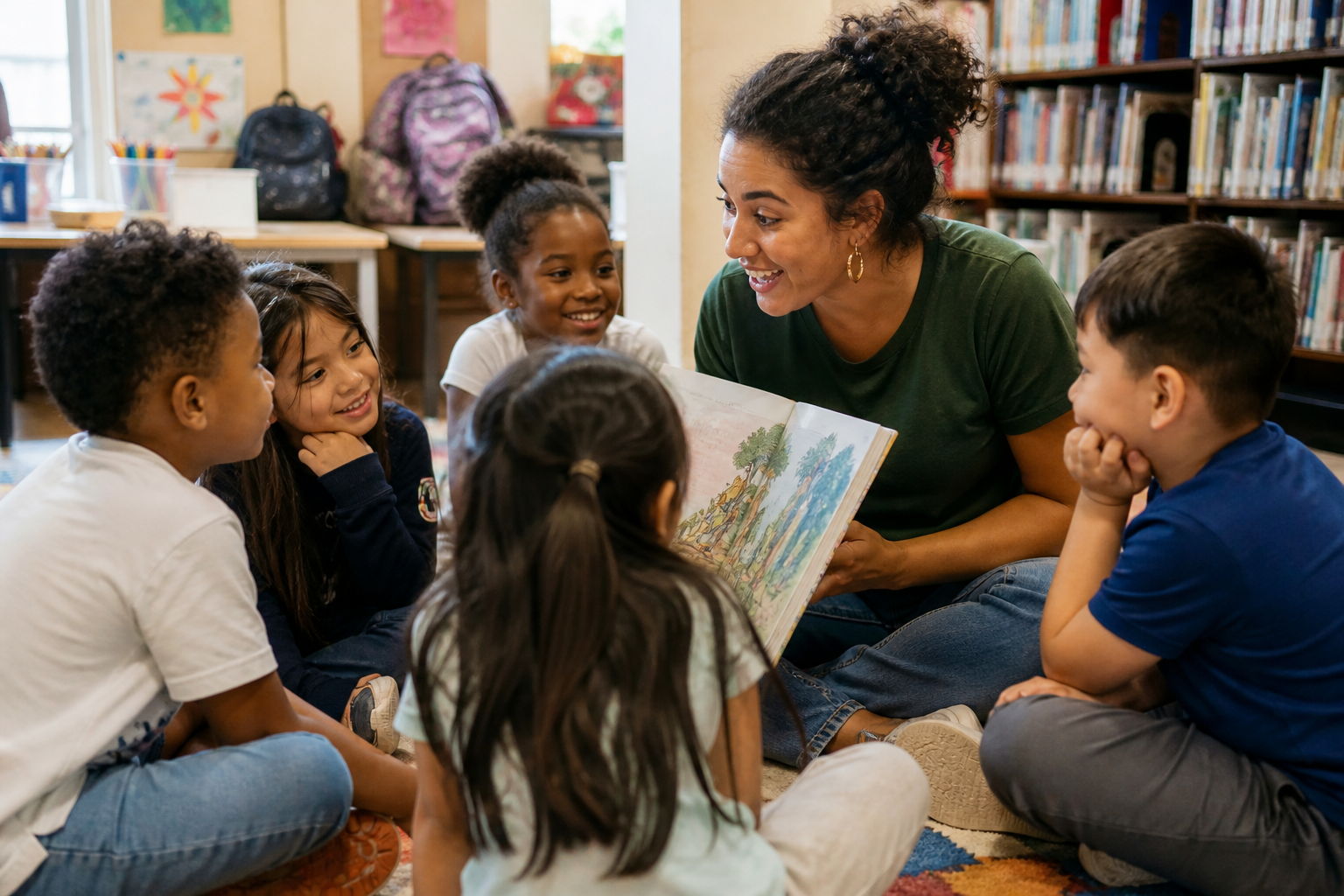
[IMAGE: volunteer reading to a small group of children]
Donate goods or fund small programs
Not everyone can commit regular hours; donations still have powerful effects.
- Essential items: Backpacks, school supplies, coats, and hygiene kits are in constant demand.
- Micro-grants: Small grants to a teacher or community organizer can cover field trips, classroom materials, or craft supplies.
- Community drives: Organize or join a neighborhood drive to collect books, winter clothing, or sports equipment.
Tips for donating well
Coordinate with the receiving organization to learn what they actually need—drop-offs of unwanted items can create more work than help. Ask about tax receipts and how donations are distributed to ensure transparency.
Create partnerships with schools and nonprofits
Long-term change often comes through partnerships. Local businesses, faith groups, and professional associations can sponsor programs or provide expertise.
- Employer-supported volunteering: Encourage your workplace to offer paid volunteer days or skills-based pro bono support for schools.
- Adopt-a-classroom: Adopt a classroom with funding, materials, or regular volunteer visits.
Advocate and raise awareness
Advocacy is another essential way to support children—bringing attention to things like school funding, safe routes to school, or after-school program access.
- Attend school board meetings and voice support for programs serving underserved students.
- Use social media or neighborhood newsletters to highlight local needs and celebrate successes.
Think globally—but start locally
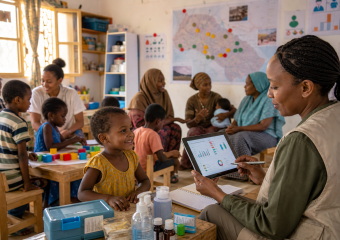
International volunteering can feel appealing because it addresses wide-reaching needs, but it’s important to balance global service with solid Local commitments. Short-term international trips should complement, not replace, strong support for kids in your own community. If you choose international volunteering, look for reputable organizations that emphasize local leadership and sustainable impact—and be mindful that some roles are best filled by trained local staff.
Small acts, big impact
Supporting children in your area doesn’t require grand gestures. A consistent hour each week, a classroom supply run, or sharing your professional skills can change a child’s school year. Keep these final pointers in mind:
- Start small and be consistent—relationships matter more than one-off efforts.
- Ask local organizations how to plug in—sometimes the best opportunities aren’t heavily advertised.
- Measure impact in human terms: improved confidence, attendance, or a happier classroom.
Whether you’re signing up as volunteer #1463 on an opportunity list or organizing a neighborhood book drive, your involvement strengthens the community fabric and opens doors for its youngest members. Pick one action today and build from there—children thrive when neighbors show up.