

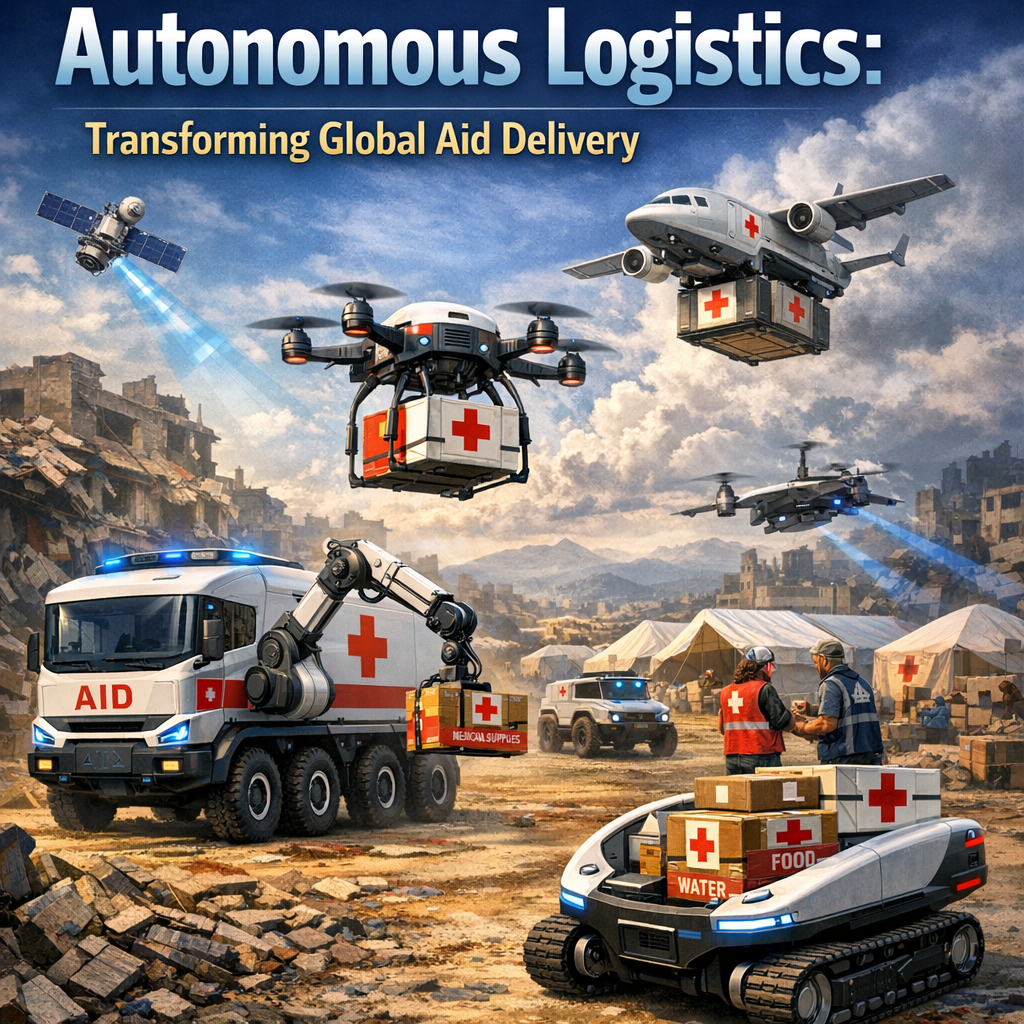
Autonomous Logistics: Transforming Global Aid Delivery
How Autonomous Logistics Is Revolutionizing Global Aid Delivery
The global logistics of aid delivery have been fraught with challenges like timely distribution and resource management inequities across various regions. Recently, technological advancements in autonomous logistics are poised to transform this critical field, enhancing efficiency and effectiveness in delivering aid where it is most needed. This post explores the revolutionary impact of autonomous technologies on global aid delivery, underscoring why this innovation could be a game-changer in humanitarian efforts.
The Rise of Autonomous Logistics in Aid Delivery
Autonomous logistics encompasses the use of robotics, drones, and autonomous vehicles (AVs) to manage and execute the supply chain processes without human intervention. In the context of global aid delivery, this means these technologies are used to transport and distribute aid supplies to disaster-stricken or remote areas, potentially overcoming traditional barriers such as poor infrastructure and human resource limitations.
Increased Speed and Efficiency
One of the most significant advantages of autonomous logistics in aid delivery is the substantial increase in speed and efficiency. Autonomous drones, for example, can quickly be deployed to assess a situation and deliver emergency supplies to areas that are otherwise hard to reach due to damaged infrastructure or security issues. These drones do not require traditional runways and can operate in various weather conditions, providing a lifeline in critical situations.
Enhanced Access to Remote Areas
AVs and unmanned ground vehicles (UGVs) are capable of traversing rough terrains and delivering aid to remote areas without the need for extensive human guidance. This technology ensures that aid reaches those in dire need more reliably and consistently, regardless of geographical barriers.
Cost Reduction
Implementing autonomous logistics helps reduce the costs associated with human resources. Fewer personnel are needed on the ground, reducing travel, accommodation, and other related expenses. Additionally, the precision and efficiency provided by these technologies minimize waste and optimize resource use, allowing aid organizations to allocate more resources to essential supplies and services.
Autonomous Logistics in Action: Real-World Examples
To understand the real-world impact of autonomous logistics on global aid delivery, let’s look at some practical implementations that have made significant differences.
Drones in Disaster Response
One notable example is the use of drones following natural disasters, such as earthquakes or hurricanes. In these scenarios, drones have been employed to quickly assess damage, locate survivors, and deliver essential items like food, water, and medical supplies. This rapid response capability can be crucial in reducing casualties and accelerating recovery efforts.
Autonomous Convoys in Conflict Zones
Another area where autonomous logistics has been invaluable is in conflict zones. Autonomous convoys can transport food and medical supplies without risking human lives. These convoys utilize advanced navigation and obstacle avoidance technologies to safely reach their destinations, even under challenging and dangerous conditions.
Challenges and Considerations
While the benefits are compelling, the rollout of autonomous logistics in aid delivery is not without its challenges.
Regulatory Hurdles
The deployment of autonomous drones and vehicles often faces regulatory hurdles that vary by country or region. These can include airspace restrictions, safety standards, and liability laws, all of which must be navigated carefully to fully integrate autonomous technologies into aid delivery operations.
Cybersecurity Concerns
As with any technology that relies heavily on data and connectivity, autonomous logistics systems are vulnerable to cybersecurity threats. Ensuring the security and integrity of the systems used to deliver aid is paramount to prevent malicious interference and ensure the aid reaches those who need it most.
Ethical and Employment Impacts
The transition to more autonomous systems raises ethical questions and concerns about the displacement of jobs. Balancing technological advancement with social impacts is crucial to ensure that the adoption of autonomous logistics contributes positively to societal goals.
The Future of Autonomous Aid Delivery
The ongoing development and refinement of autonomous technologies promise even greater impacts on global aid delivery. We anticipate a future where autonomous logistics can more seamlessly integrate with human efforts, creating a synergistic approach to managing and delivering aid. This will not only revolutionize how aid is delivered but also who it reaches, ensuring more equitable resource distribution across all communities in need.
In conclusion, as we advance further into the 21st century, the role of autonomous logistics in transforming global aid delivery continues to evolve. This technological revolution holds the potential to address some of the most pressing challenges faced by the humanitarian sector today, heralding a new era of efficient, timely, and secure aid distribution.