

Hope Mapping: Stunning AI Tools Combat Child Suffering
Hope Mapping: Harnessing Geo-AI to Address Child Suffering
Understanding Hope Mapping with Geo-AI
Hope mapping starts with Geo-Artificial Intelligence (Geo-AI), a powerful tool that integrates geographic information systems (GIS) with AI technologies to analyze and predict spatial data. NearAIx, a leading Geo-AI platform, excels in creating sophisticated models that identify and predict areas where children are most vulnerable. This predictive capability is crucial for aid organizations and governments that strive to allocate resources more effectively, providing help before situations deteriorate.
How NearAIx Maps Vulnerability Hotspots
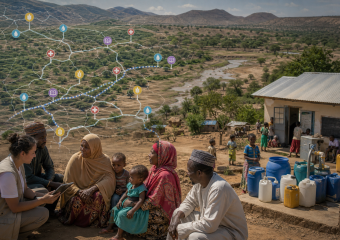
NearAIx employs a variety of data inputs—including satellite imagery, census data, and social media trends—to craft a real-time map of vulnerability hotspots. These are areas identified as having higher risks of issues such as poverty, disease outbreaks, or violence, which particularly affect children. By utilizing machine learning algorithms, NearAIx analyzes patterns and trends from these diverse data sources to forecast potential crises with surprising accuracy.
This ability to visualize and predict vulnerability not only helps in understanding current situations but also provides foresight into potential future crises. For instance, if a region suddenly shows increased signs of economic distress, NearAIx can alert responders about the heightened risk of child hunger or disrupted schooling.
Deploying Aid Faster and More Efficiently
Rapid response is vital in preventing the escalation of child suffering. With the detailed maps produced by NearAIx, organizations can plan and execute aid distribution with unprecedented speed and precision. Instead of a scattergun approach to disaster relief, responders can use these predictive maps to target aid to areas where it is needed most, potentially saving lives and reducing suffering.
The use of Geo-AI in mapping also supports better logistical planning. Knowing in advance where supplies like food, clean water, and medical aid are required allows for strategic positioning of these resources. This optimization ensures that no time is wasted when a crisis unfolds, and helps avoid the duplication of efforts among multiple aid organizations.
Anticipating Crises Before They Escalate
One of the most transformative aspects of Hope Mapping with NearAIx is its proactive stance toward crisis management. Traditionally, humanitarian aid often comes after a crisis has already caused considerable suffering. NearAIx changes this narrative by providing early warnings based on predictive analytics.
For example, if the data indicates a growing likelihood of civil unrest in a region, measures can be taken in advance to secure child protection services and safeguard supplies. Similarly, by anticipating natural disasters like floods or droughts, preemptive evacuations can be organized, and emergency supplies can be pre-positioned to alleviate immediate impacts.
Case Studies and Success Stories
The practical application of Hope Mapping has already shown promising results. In one notable instance, NearAIx was used in a region plagued by cyclical droughts that greatly impacted local schooling and child health. By predicting the next drought phase, local governments were able to collaborate with international NGOs to implement irrigation solutions and deliver food supplies well before the crisis peaked.
In another case, NearAIx identified an urban area suddenly showing increased trends of homelessness among families. Quick action based on these insights enabled local agencies to provide temporary housing solutions and support services, reducing the stress and suffering of affected children.
The Future of Hope Mapping
As Geo-AI technology continues to advance, the scope of Hope Mapping will likely expand. The integration of real-time data from an increasing number of sources will enhance the accuracy and timeliness of the predictions. This progress means that in the future, even more nuanced aspects of child suffering can be addressed before they turn into full-blown crises.
While technology alone cannot solve all humanitarian challenges, platforms like NearAIx represent a significant leap forward in the fight against child suffering. By turning data into actionable insights, Hope Mapping empowers rescuers to not only react but to anticipate and prevent, setting a new standard for humanitarian aid in the 21st century.