
Predictive Impact Models: Forecasting Lives Saved Before Disasters
title: “Predictive Impact Models: How We Forecast Lives Saved Before Disaster Strikes”
author: “Expert Content Writer”
date: “2023-12-05”
keywords: “Predictive Impact Models, forecasting, disaster management”
Predictive Impact Models: How We Forecast Lives Saved Before Disaster Strikes
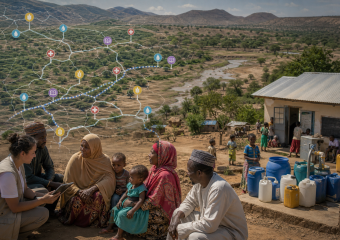
Disasters, whether natural or man-made, pose significant challenges to communities globally. Preparing for these events is crucial, and with advancements in technology, our approach has evolved. Predictive impact models stand at the forefront of this evolution, providing crucial data that assists in better planning and saving lives. Here’s how predictive impact models are shaping disaster management strategies.
Understanding Predictive Impact Models
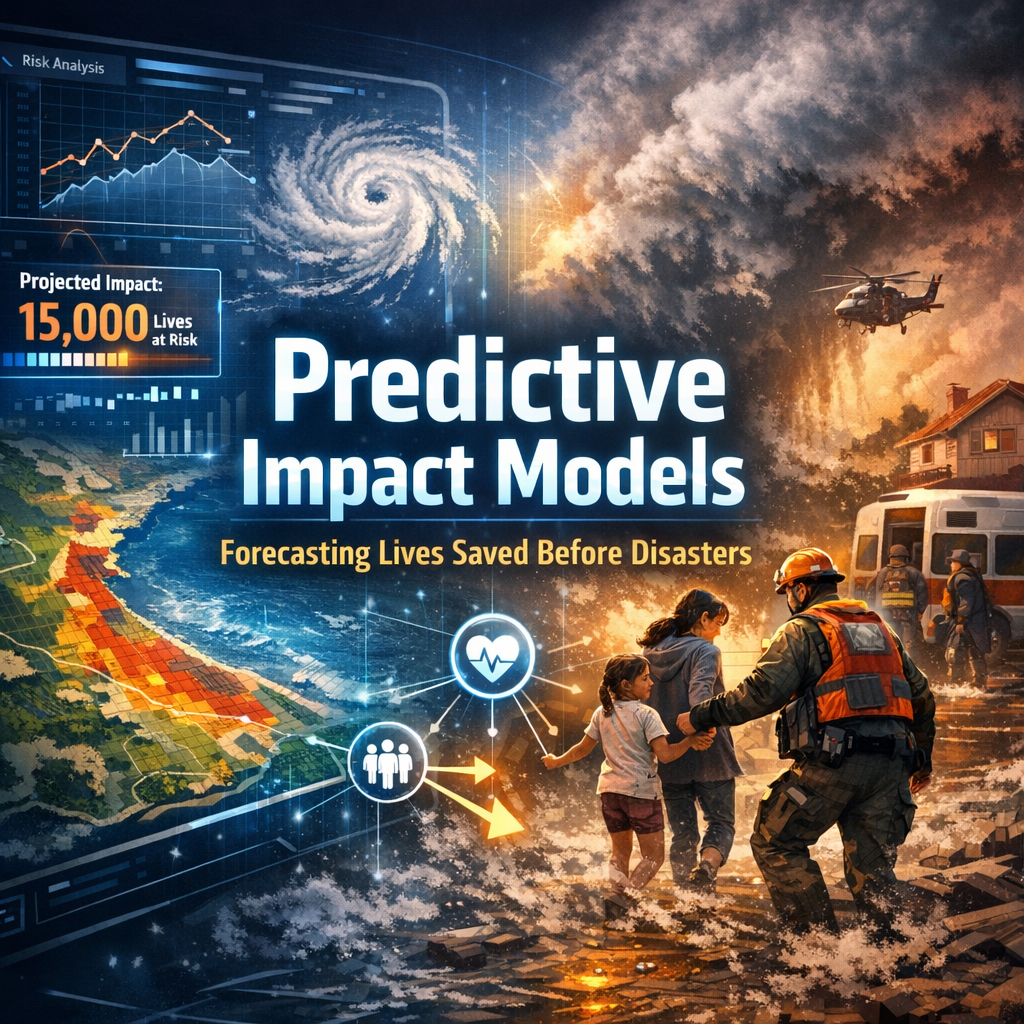
Predictive impact models are sophisticated tools that use data analytics, machine learning, and statistical methods to predict the outcomes of various disaster scenarios. These models consider numerous variables, such as weather patterns, population density, and infrastructure resilience, to forecast the potential impact of disasters on communities.
Key Components
- Data Gathering: Extensive data collection from historical events and environmental sensors.
- Simulation Techniques: Application of algorithms to simulate different disaster scenarios.
- Outcome Predictions: Estimation of the effects these events might have on affected areas.
The Role of Predictive Impact Models in Disaster Management
Strategic Planning
Predictive models enable governments and emergency services to create more effective disaster response strategies. By understanding potential outcomes, these entities can allocate resources more efficiently, ensuring they are directed where they are needed most.
Enhanced Decision-Making
During a disaster, quick decision-making is crucial. Predictive impact models provide real-time data that helps in making informed decisions, such as evacuations, which can significantly reduce casualties and property damage.
Community Preparedness
These models can forecast the severity and impact of upcoming events, allowing communities to prepare in advance. This might include strengthening buildings, securing heavy items, and educating the public about safety measures.
Case Studies: Models That Saved Lives
Hurricane Forecasting
In hurricane-prone regions, predictive impact models have drastically improved over the years. These models predict the path, intensity, and impact of hurricanes with increasing accuracy, giving adequate time for evacuation and preparation, thus saving thousands of lives.
Earthquake Readiness
Areas at risk of earthquakes utilize predictive impact models to estimate potential ground shaking and building resilience. This information is crucial for enforcing building codes that can withstand earthquakes, potentially saving lives and reducing economic losses.
Future of Predictive Impact Models
Advancements in technology and data analysis continue to refine the accuracy of predictive impact models. The integration of artificial intelligence and machine learning has particularly been a game-changer, making predictions faster and more accurate.
Trends to Watch
- Increased Real-time Capabilities: Enhancements in technology that allow for real-time forecasting and adjustment.
- Integration with IoT Devices: Usage of data from Internet of Things (IoT) devices to improve data accuracy and model outcomes.
- Greater Public Engagement: Developments in technology that facilitate better public understanding and interaction with predictive models.
Conclusion
Predictive impact models have become indispensable tools in disaster management, greatly enhancing our ability to save lives and mitigate damage before disaster strikes. As technology advances, so too will the capabilities of these models, promising even greater advancements in our preparedness and response strategies.
While the science behind predictive impact models is complex, the goal is simple: forecast, prepare, and protect. Embracing these tools not only helps in effective resource allocation but also reinforces the resilience of communities against future disasters.