
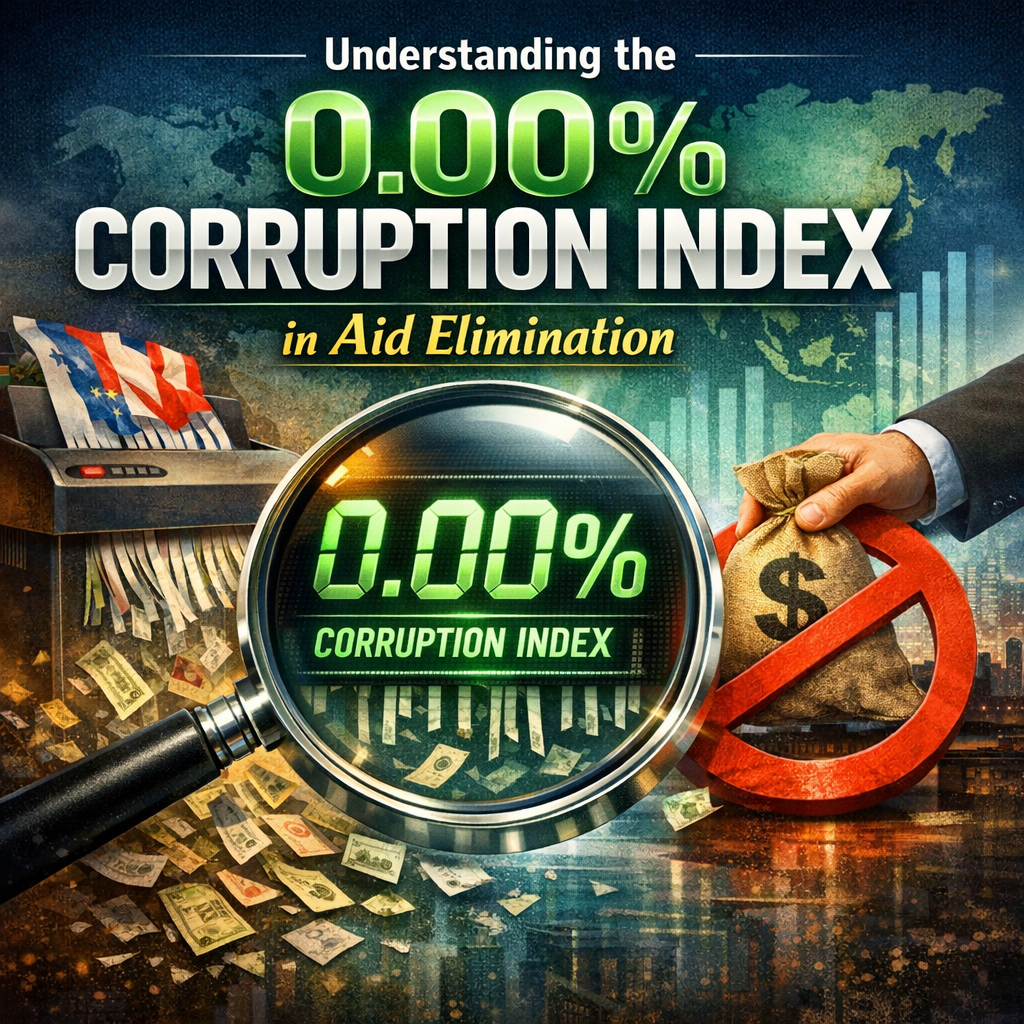
Understanding the 0.00% Corruption Index in Aid Elimination
Eliminating Corruption in Aid: The 0.00% Corruption Index Explained
Around the globe, corruption acts as a substantial barrier to effective aid distribution, creating pockets where resources fail to reach those truly in need. The introduction of the 0.00% Corruption Index has sparked a new conversation around transparency in aid. This innovative measure seeks to redefine how donor agencies, governments, and international organizations aim to eradicate corruption from aid projects.
Understanding Corruption in Aid
Corruption in aid can take many forms, from misallocated funds, bribery for services, to the mismanagement of resources. The implications of corrupt practices are severe, leading to:
- Decreased effectiveness of aid,
- Wasted resources,
- Diminished trust in institutions, and
- Continued hardship for the intended beneficiaries.
What is the 0.00% Corruption Index?
The 0.00% Corruption Index is a radical framework designed to evaluate and ensure complete integrity in the administration of aid. This index relies on comprehensive metrics to scrutinize every aspect of aid distribution, from allocation to delivery and final use.
Core Components of the Index
- Transparent Fund Tracking: Real-time tracking systems that log every dollar allocated and spent.
- Stakeholder Vetting: Detailed background checks and ongoing monitoring of all stakeholders involved.
- Community Involvement: Ensuring local community involvement in planning and execution to prevent top-down corruption.
- Regular Audits: Frequent and random audits conducted by independent bodies.
Strategies to Achieve 0.00% Corruption
Achieving a corruption-free environment in aid distribution requires meticulous planning and the joint effort of multiple stakeholders. Here are some strategies integral to implementing the 0.00% Corruption Index:
Establishing Strong Legal Frameworks
- Enforcement of Anti-corruption Laws: Stronger legal actions against individuals and entities found guilty of corrupt practices.
- International Cooperation: Collaboration across borders to prevent cross-country corruption.
Innovating Transparency Mechanisms
- Data Sharing: Use of blockchain and other secure technologies to make transactions transparent and tamper-proof.
- Public Reporting: Regular public disclosure of financial flows and project outcomes.
Enhancing Accountability Measures
- Feedback Systems: Platforms for beneficiaries to report discrepancies and provide feedback on aid effectiveness.
- Performance Reviews: Continuous assessment of all parties involved to ensure compliance with the set anti-corruption standards.
Success Stories
Several pilot programs have already demonstrated the potential impact of applying strict anti-corruption measures:
- In a Southeast Asian country, a health aid project reported a significant drop in misappropriated funds following the implementation of real-time tracking systems.
- A South American nation saw improved educational outcomes after the local communities were involved in monitoring school building projects.
Challenges and Considerations
While the 0.00% Corruption Index is promising, there are challenges to its widespread implementation:
- Resource Allocation: Significant resources are required to set up and maintain anti-corruption systems.
- Political Will: Effective application demands unwavering commitment from political leaders which might lack in corrupt-prone areas.
- Technological Barriers: In regions with limited technological infrastructure, implementing advanced tracking systems can be difficult.
Conclusion
The 0.00% Corruption Index provides a groundbreaking approach to combatting corruption in aid distribution. By involving technology, legal frameworks, and local communities, it aims to tackle the issue from multiple angles. While obstacles remain, the potential to revolutionize aid and truly make every dollar count offers a beacon of hope.
By ensuring that aid reaches its intended targets corruption-free, we not only amplify the impact of aid but also restore faith in these critical humanitarian efforts. The journey towards eliminating corruption in aid isn’t easy, but with comprehensive strategies like the 0.00% Corruption Index, it is certainly an achievable feat.