
Exploring the UN-Standard Global Token Ledger Transparency Protocol
Inside the Global Token Ledger: A UN-Standard Transparency Protocol
In the world of international finance and technology, transparency has long been a foremost concern, crucial for building trust and ensuring equitable transaction processes. The United Nations recently unveiled an initiative that promises transformative potential: the Global Token Ledger (GTL). This initiative is not just another financial tool, but a comprehensive transparency protocol that could redefine global transactions.
What is the Global Token Ledger?
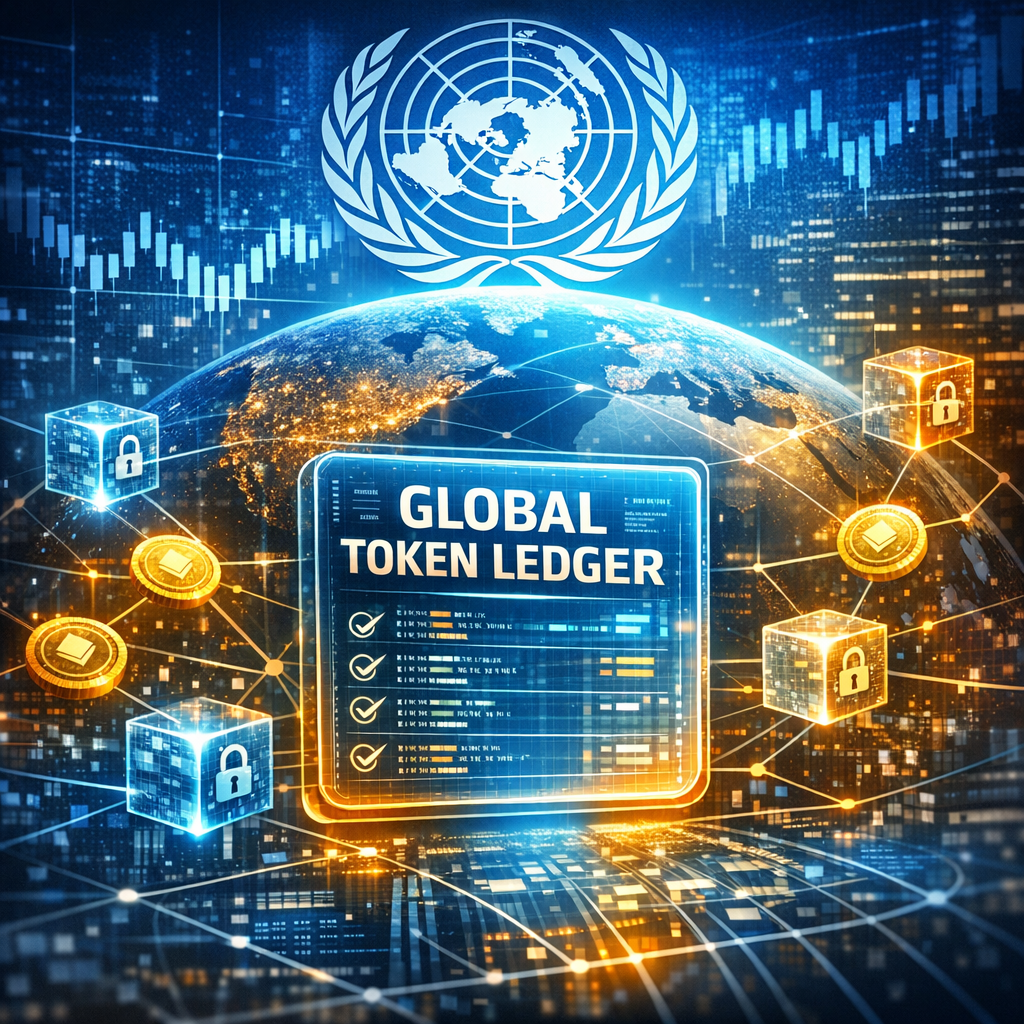
The Global Token Ledger is an innovative framework designed to provide an unalterable record of cross-border token exchanges. Implemented through blockchain technology, this initiative seeks to bolster transparency, security, and coordination among international stakeholders.
Key Features of the GTL
- Immutable Records: Once a transaction is logged into the ledger, it cannot be altered, ensuring a tamper-proof history.
- Real-Time Tracking: Transactions are visible immediately, allowing for unprecedented accessibility and monitoring.
- Decentralized Architecture: Lacking a central point of control, the GTL reduces the risk of systemic failures and bias.
Benefits of a UN-Standard Protocol
Enhanced Transparency
The most significant attribute of the GTL is its potential to enhance transparency on a global scale. Transactions recorded on this ledger are open to scrutiny by all parties involved, ensuring a clear trail of accountability. This openness not only deters fraudulent activity but also helps in troubleshooting disputes and errors effectively.
Boosting Economic Inclusion
By standardizing the transaction protocol across different nations and their disparate financial institutions, the GTL creates a more uniform playing field. Smaller states and less economically powerful nations gain the same transactional abilities and visibility as larger countries, fostering better economic inclusion.
Security and Trust
With its robust cryptographic framework, the Global Token Ledger minimizes risks associated with digital transactions, including cyber threats and privacy breaches. This heightened security is pivotal in gaining the trust of participants and promoting extensive adoption of this technology at an international level.
Putting Theory into Practice: Future Possibilities
The GTL, fueled by UN endorsement, has the potential to spearhead several innovations and reforms in global finance and commerce. Here’s a look at some future possibilities:
Revolutionizing International Trade
Trade agreements could be automatically executed with smart contracts on the GTL, reducing the need for intermediaries and lowering the barriers to entry for small and medium-sized enterprises.
Aid and Philanthropy Transparency
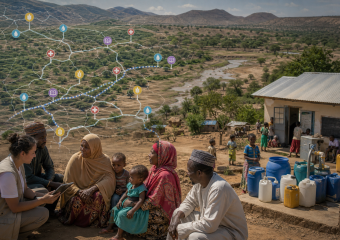
Global aid could be tracked to ensure that funds reach their intended destinations, with the ledger providing a public proof of where and how funds are spent.
Environmental Accountability
Tokenized carbon credits can be traded and tracked on the GTL, providing a clear, accountable method of managing global carbon emissions, crucial for combating climate change.
Challenges Ahead
Despite its promising potential, the rollout of the Global Token Ledger is not devoid of challenges. Regulatory harmonization, technical scalability, and ensuring equitable access to technology are significant hurdles that require international cooperation and commitment.
Regulatory Harmonization
Bringing diverse regulatory frameworks into alignment will be crucial for the GTL’s effective implementation. This challenge involves extensive diplomatic negotiation and legal adaptability.
Technical Scalability
As more countries and companies join the GTL, scaling the technology to handle increased volumes while maintaining speed and reliability is essential.
Equitable Tech Access
Ensuring that poorer nations have the same access to the necessary technology as wealthier countries is vital for the GTL’s success in fostering global economic inclusiveness.
Concluding Thoughts
The Global Token Ledger represents a notable advance in the way international transactions are conducted. This UN-standard transparency protocol brings us closer to a world where financial and transactional activities across borders are as transparent and reliable as domestic ones. While there are undoubtedly challenges to be tackled, the GTL stands as a beacon of potential for the future of global economic interaction.