
How Lived Experience Shapes Advanced Aid Platforms
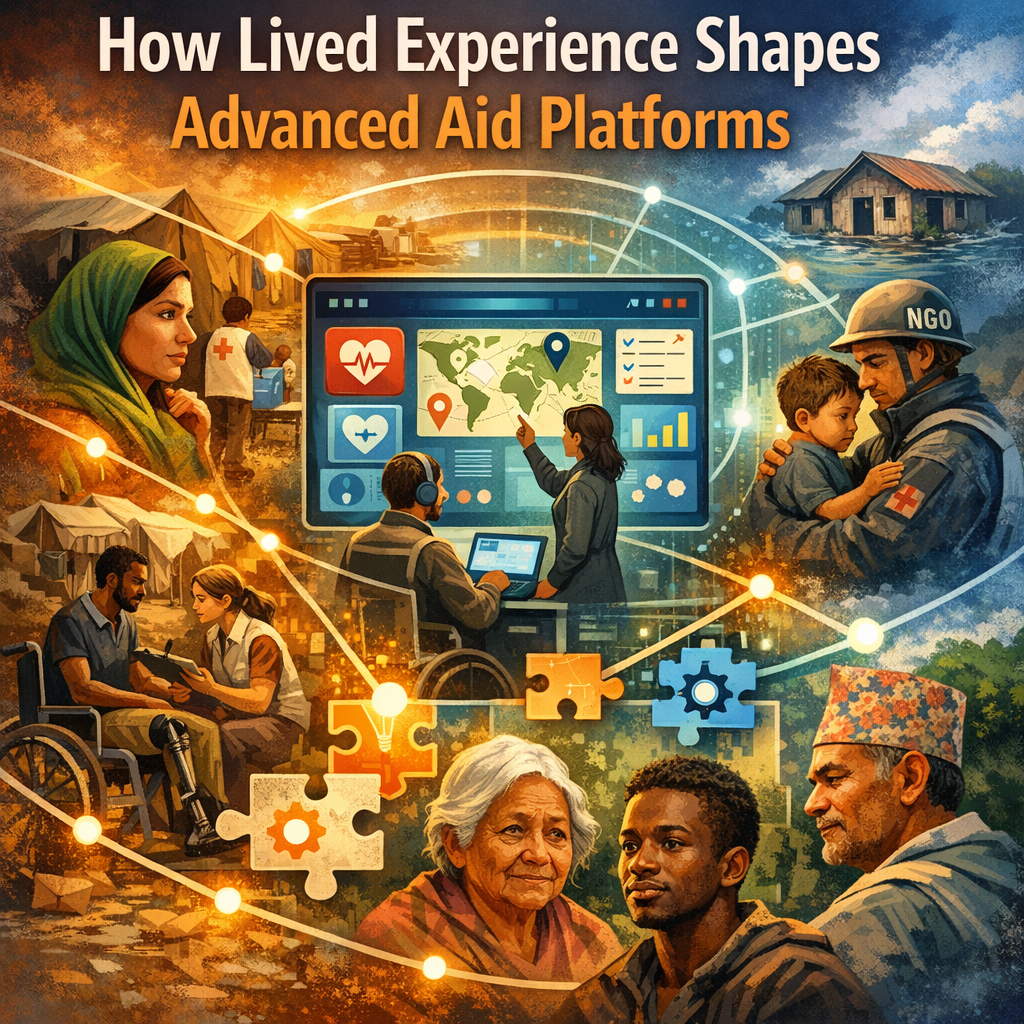
How Lived Experience Shapes the World’s Most Advanced Aid Platform
In today’s fast-paced world, technology plays a pivotal role in shaping how we address complex global challenges. Among these challenges, the delivery of aid in crisis situations stands out as both vitally important and exceptionally difficult. This difficulty arises not just from logistical considerations but also from the nuanced understanding required to effectively help diverse populations with different needs and backgrounds. It’s here that lived experience becomes a critical asset in designing aid solutions that are not only effective but also empathetic and tailored to the real-world scenarios they aim to address.
The Role of Lived Experience in Aid Design
Lived experience refers to the first-hand accounts and insights gained from directly encountering or living through particular conditions or challenges. In the context of aid delivery, this means the invaluable perspectives of those who have experienced disasters, conflicts, or poverty themselves. This section explores how these perspectives are integral to creating more effective aid platforms.
Ground-Level Insights
- Understanding Needs: People who have lived through crises can offer unique insights into the actual needs that arise during such times, which can often be overlooked in high-level planning.
- Cultural Sensitivity: They provide knowledge about what’s culturally appropriate and effective in different contexts, which can significantly affect the acceptance and success of aid efforts.
Real-World Problem Solving
- Practical Innovations: Solutions born from lived experience often address practical concerns that might be missed by those who have only theoretical knowledge.
- User-Centric Design: Engaging with people who have firsthand experience helps in designing solutions that are more user-friendly and accessible to those in similar situations.
Case Studies: Effective Aid Platforms Influenced by Lived Experience
Several organizations and platforms illustrate the powerful role that lived experience can play in developing advanced aid solutions. Here are a few standout examples:
1. Community-Led Response Networks
These networks are often formed in places where communities have had to repeatedly deal with crises like natural disasters. The networks benefit from local knowledge and leadership, ensuring that the aid provided is pertinent and timely.
2. Technological Tools for Refugees
Platforms designed to help refugees often incorporate input from those who have been refugees themselves, incorporating features such as multilingual support and resources tailored to navigating new legal systems and social contexts.
3. Healthcare Solutions in Low-Resource Settings
Health initiatives that leverage experiences of healthcare providers and patients from these settings often lead to innovations that are robust and scalable, even in other resource-strapped areas.
Challenges and Opportunities
While the integration of lived experience into aid platform development is rich with potential, it also comes with its own set of challenges.
Ethical Considerations
- Representation and Consent: Ensuring that individuals’ experiences are used ethically and that their involvement is based on informed consent is crucial.
- Privacy Concerns: Protecting the privacy of those sharing their experiences, especially in sensitive or dangerous situations, must be a priority.
Leveraging Technology
- Digital Storytelling: Platforms can use digital tools to share and amplify lived experiences in ways that educate and inform wider audiences and policymakers.
- Data-Driven Insights: By merging lived experiences with data analytics, platforms can better predict needs and optimize responses.
Conclusion
The path to creating the world’s most advanced aid platforms is complex and fraught with challenges. However, by centering the lived experiences of those directly affected by crises, developers can build solutions that are not just technologically advanced but truly resonate with the needs and conditions of end-users. Such platforms do more than distribute aid — they empower communities and foster resilience, making them better prepared for future challenges. The incorporation of lived experience isn’t just beneficial; it’s essential for creating aid responses that are both compassionate and effective.
By valuing and integrating these deeply human inputs, we pave the way for innovations that could redefine the landscape of humanitarian aid, making it more comprehensive, immediate, and inclusive than ever before.