Discover how our 14-Zone Global Crisis Network leverages satellite data and UN feeds to enhance response strategies and optimize decision-making across diverse global emergencies.



Discover how our 14-Zone Global Crisis Network leverages satellite data and UN feeds to enhance response strategies and optimize decision-making across diverse global emergencies.
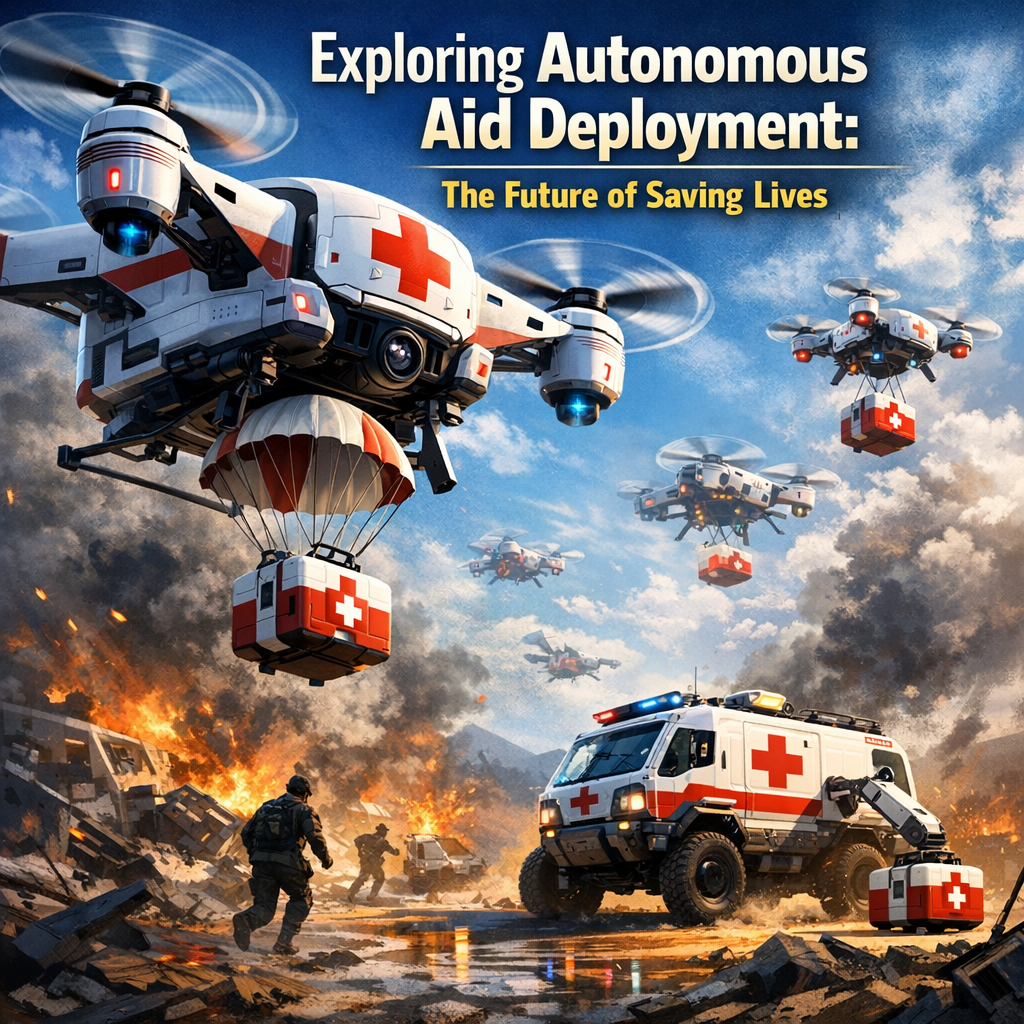
Discover how autonomous aid deployment is revolutionizing emergency response, delivering faster and more efficient aid to areas struck by disaster, ensuring that help arrives when its needed the most.
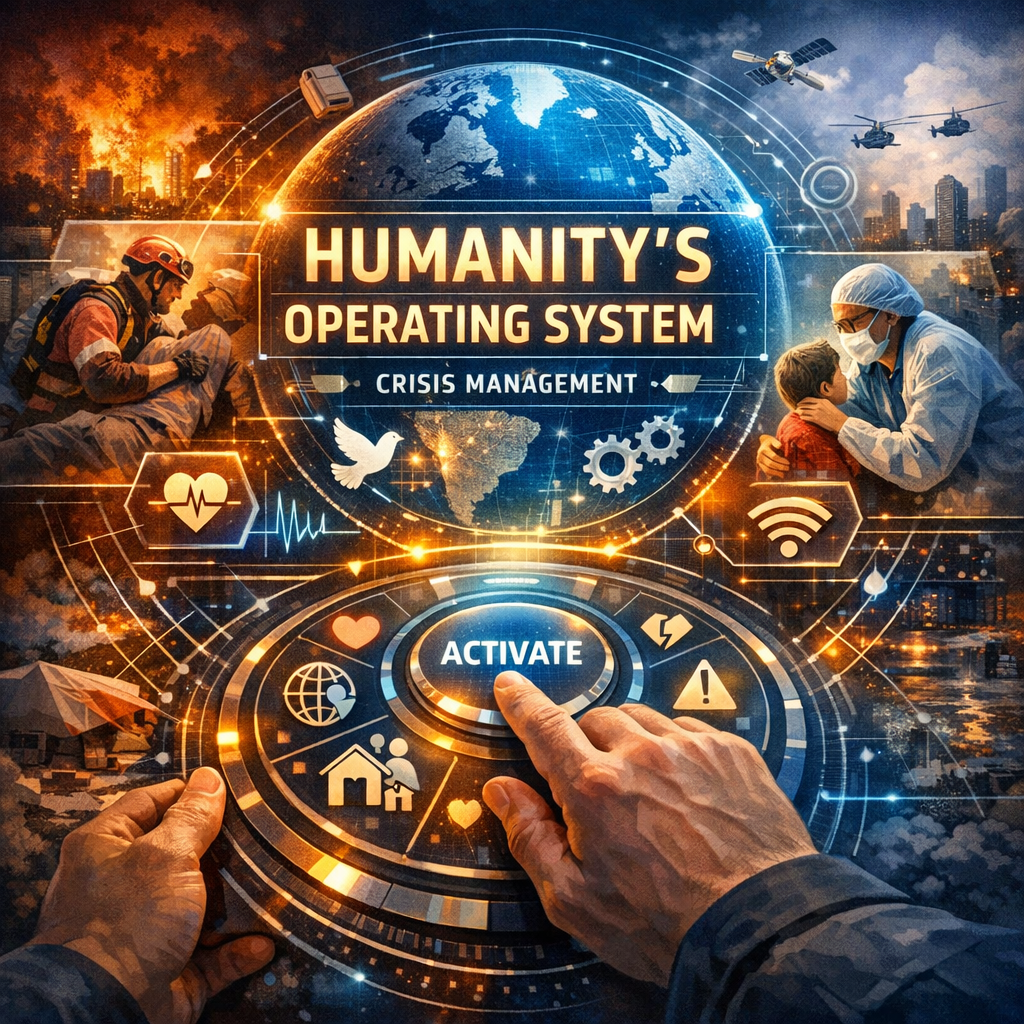
Discover how Humanity’s Operating System is revolutionizing how we manage crises, integrating advanced technology to improve coordination and speed in emergency responses.
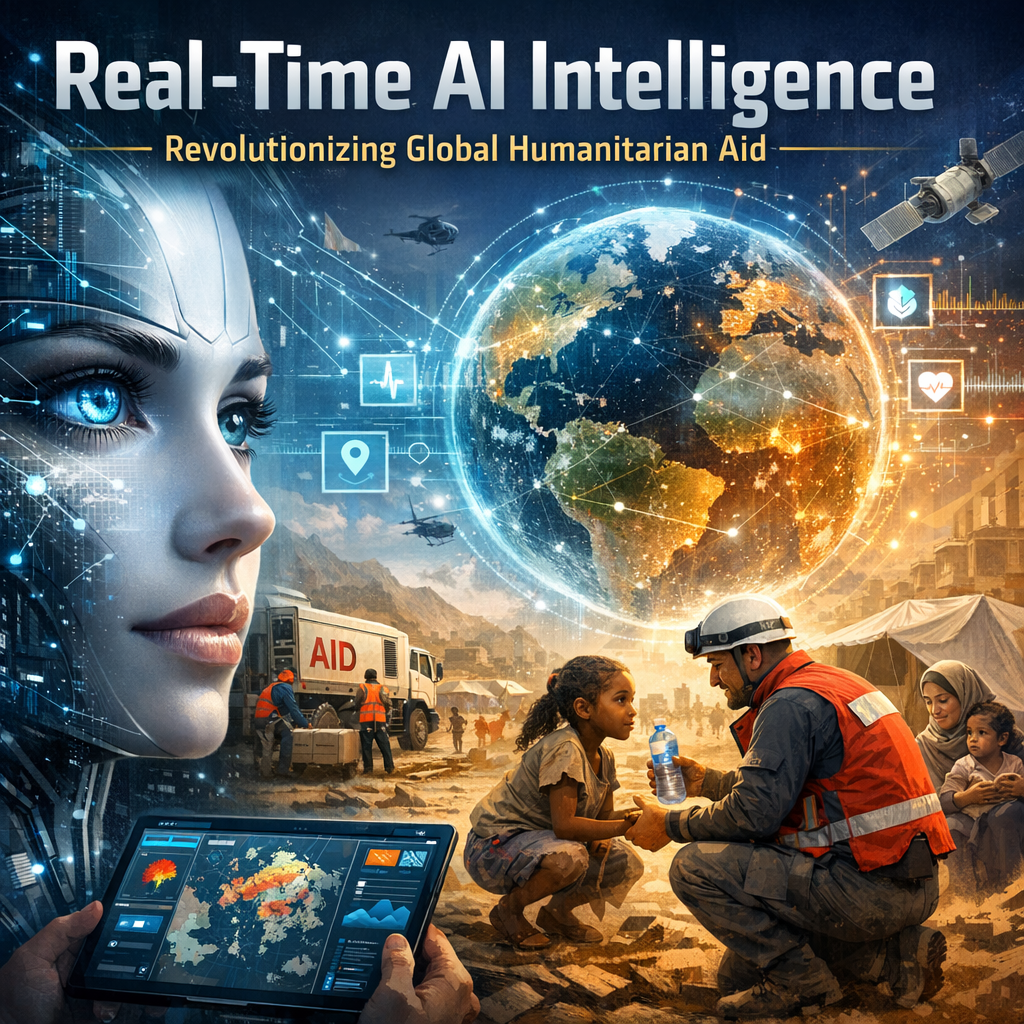
Discover how real-time AI intelligence is revolutionizing the delivery of global humanitarian aid, enabling faster, more effective responses to emergencies and improving the lives of people around the world.

Discover how Save World envisions transforming the global aid network to ensure every child has access to quality vision care in the next decade, fostering a brighter, more empowered future for communities worldwide.
Discover how agentic automation is transforming Save World Childrens efforts, enabling them to deliver aid more swiftly and effectively to children globally, ensuring timely help reaches those most in need.

Discover how AI for Good is reshaping humanitarian efforts with Save World Children, using artificial intelligence to enhance child protection and address global challenges effectively.
Discover how Save World Children is reshaping global crisis response by establishing the world’s first agentic humanitarian ecosystem, a revolutionary platform where technology and community empowerment converge to create sustainable solutions.

Discover how global healthcare innovation is shaping a healthier future with Save World Children’s Agentic Clinics and mobile aid systems, revolutionizing access and quality of care for underserved communities worldwide.

Discover how agentic AI education is transforming the way our youngest learners interact with knowledge through Save World Children, offering personalized, engaging, and technology-driven educational experiences.